
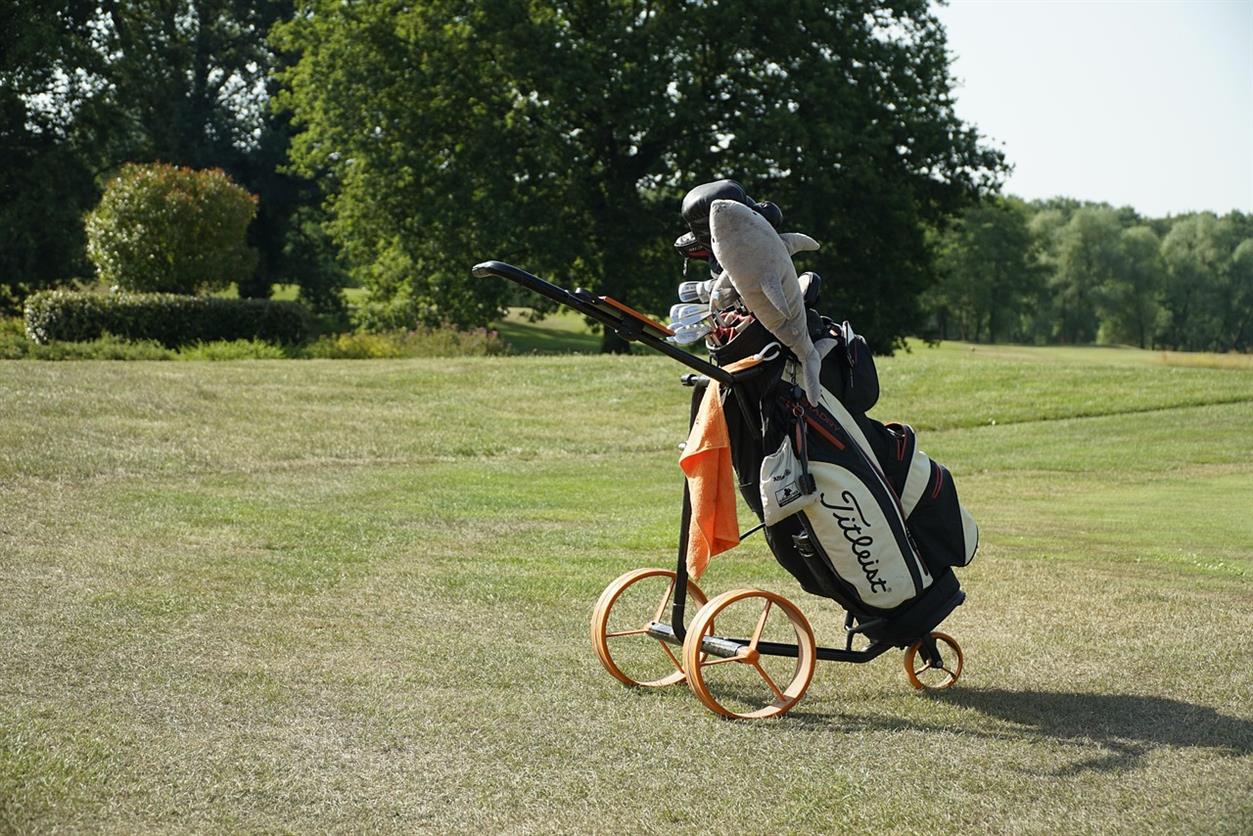
In golf, some brands win on hype. Titleist wins on trust. For decades, it’s been the name serious golfers associate with reliable performance—from tee to green. Best known for its Pro V1 golf balls, Titleist has expanded into a full equipment ecosystem: drivers, irons, wedges, putters, gear, and custom fitting. In 2025, the brand remains the most-played ball on professional tours and a dominant force in wedges—proof that its reputation isn’t legacy alone, but ongoing results.
TL;DR:
Titleist is golf’s most trusted performance brand, best known for the Pro V1 / Pro V1x balls that have dominated pro tours for 25 years thanks to consistency, distance, and elite greenside control. It’s also a full-bag powerhouse under Acushnet, making drivers/irons, Vokey Design wedges (the most played wedges on tour), and Scotty Cameron putters. Titleist’s edge comes from tour-driven R&D, tight manufacturing tolerances, and a strong custom-fitting culture—so it’s especially popular with golfers who value feel, control, and reliable shotmaking over flashy gimmicks.
A quick origin: “the pursuit of the perfect golf ball”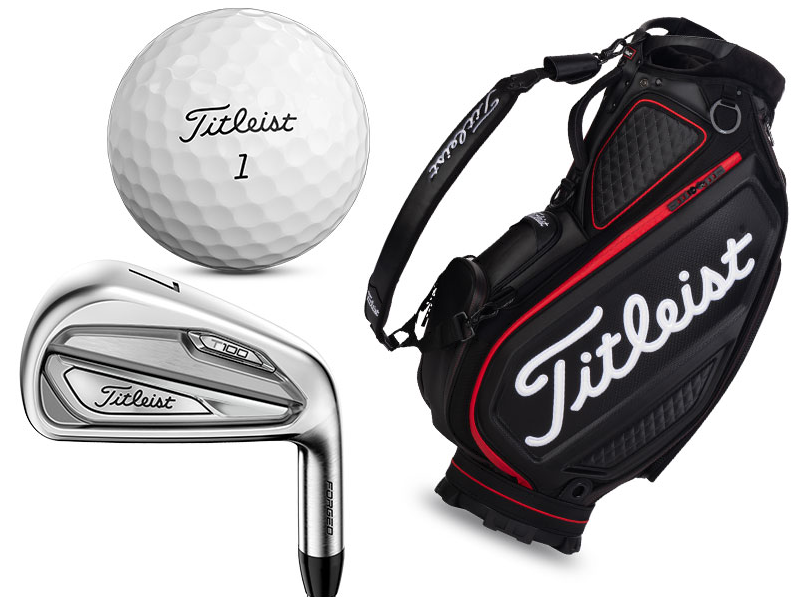
Titleist began as a golf-ball company, born from a simple problem: early 20th-century balls weren’t consistent. The brand’s modern identity has always centered on measurable performance, engineering rigor, and obsessive testing. That focus on balls created the credibility and R&D base that later allowed Titleist to expand into clubs and the rest of the bag.
The Pro V1 legacy: the ball that changed modern golf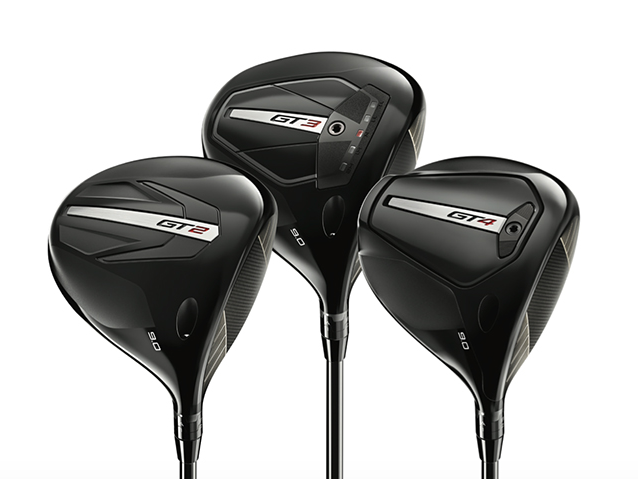
If Titleist has a crown jewel, it’s the Pro V1. Introduced in 2000, Pro V1 revolutionized tour and amateur play with multilayer construction that blended distance, spin control, and soft feel. It quickly became the most successful ball in golf history.
In 2025, Titleist celebrated 25 years of Pro V1 innovation, continuing to refine core materials, aerodynamics, and greenside control in yearly updates—one reason tour pros and low-handicap players stick with it.
Why the Pro V1 matters
-
Consistency: Titleist’s manufacturing tolerances are famously tight.
-
Tour validation: Pro V1 / Pro V1x remain the most played balls worldwide on pro tours.
-
Two-model strategy:
-
Pro V1 = slightly softer feel, lower flight/spin
-
Pro V1x = a bit firmer, higher flight/spin profile
This gives golfers a clear performance choice without leaving the family.
-
Beyond balls: how Titleist became a full-bag brand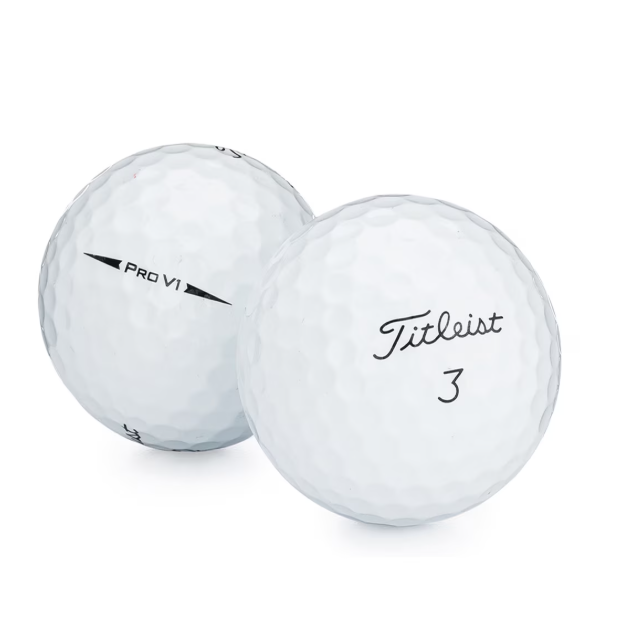
Titleist’s expansion into clubs wasn’t random—it followed a “tour-first” path. Once the brand earned credibility in balls, it scaled into every major club category:
Drivers, fairways, and hybrids
Titleist woods are engineered for speed and stability but marketed through fitting and personalization rather than a single “one size fits all” driver story. That approach merges high performance with a pro-style build culture.
Irons
Titleist irons have long been positioned as player-focused tools—clean shapes, precise feel, and control for golfers who want shot-making consistency.
Vokey wedges
If Pro V1 is Titleist’s ball kingdom, Vokey Design is its short-game empire. On the PGA Tour in 2025, Titleist Vokey wedges were used in 27 wins, the most of any brand.
Vokey’s strength comes from:
-
huge grind/bounce variety
-
tour feedback loops
-
specialized WedgeWorks options
The SM10 line continues to evolve with new grinds and finishes, including 2025 additions like the low bounce K-grind and Oil Can finish.
Scotty Cameron putters
Under the Acushnet umbrella, Scotty Cameron putters are a global status symbol for feel and craftsmanship. New Phantom mallet variants in 2025 show a brand balancing traditional milling heritage with modern alignment and stability demands.
Parent company and business muscle: Acushnet
Titleist is the flagship brand of Acushnet Holdings Corp. (NYSE: GOLF), which also owns FootJoy, Vokey, Scotty Cameron, Pinnacle, and KJUS. Titleist equipment makes up the majority of Acushnet’s revenue, and Acushnet’s 2025 updates highlight continued momentum driven by product innovation, quality, and fitting services.
Why Titleist keeps winning on tour
Titleist doesn’t chase the loudest marketing cycle. Instead, its dominance comes from a few repeatable advantages:
-
Tour validation → trickle down trust
When pros choose a ball or wedge, amateurs believe it’s because performance earned it, not because a brand paid for it. -
Relentless incremental R&D
Titleist constantly evolves rather than rebooting identity every season—especially with Pro V1. -
Fitting culture
Titleist builds products to be dialed in through loft, lie, shaft, grind, and spin profiles, matching how serious golfers actually improve. -
Short-game authority
A huge chunk of scoring happens inside 100 yards, and Titleist owns that world through Pro V1 + Vokey.
Who Titleist is best for
Titleist is especially attractive if you:
-
care about feel, consistency, and control
-
are willing to get fit instead of buying blind
-
value short-game performance
-
prefer refined, classic shaping over flashy tech storytelling
It’s less about “latest gimmick, biggest jump” and more about trusting your tools for years.
Bottom line
Titleist’s position in golf is rare: it’s both heritage and present-day dominance. From the Pro V1’s 25-year innovation arc to Vokey’s tour-leading wedge ecosystem, the brand keeps proving that precision and consistency are still the most valuable currencies in the game. If you want equipment that feels like a reliable extension of your swing—and is validated weekly by the best players on earth—Titleist remains the benchmark.