
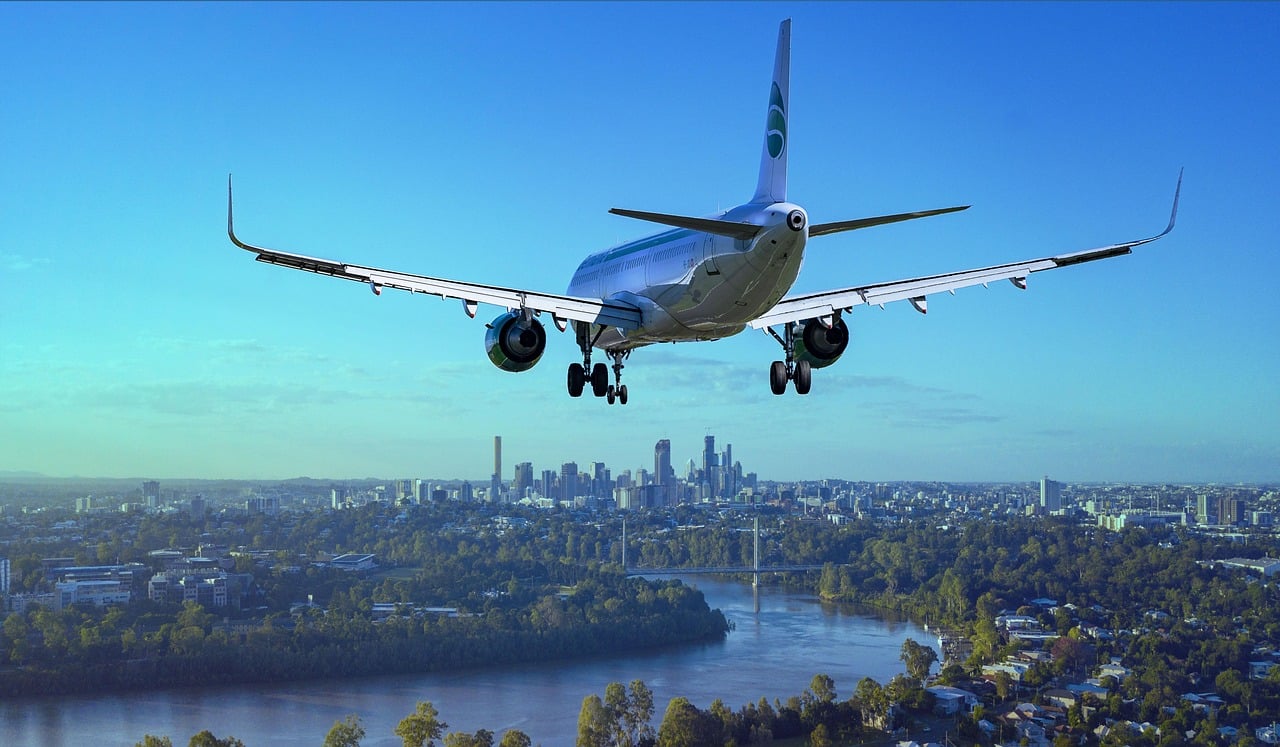
Flight is one of humanity’s most powerful ideas. It’s science, dream, survival, and freedom all wrapped into one word. From birds riding invisible currents to jets crossing oceans in hours, flight has reshaped how life moves on Earth—and how we imagine what’s possible.
TL;DR:
Flight is the ability to move through air by balancing four forces: lift (up), weight (down), thrust (forward), and drag (back). It happens when lift beats weight and thrust beats drag. Flight exists in nature (birds, insects) and technology (planes, helicopters, drones, rockets), with types like gliding, powered flight, hovering, and high-speed supersonic/hypersonic travel. Human flight took off with the Wright brothers in 1903 and reshaped the world by shrinking distances, powering trade and tourism, and driving innovation. The future focuses on cleaner, quieter, smarter flying through sustainable fuels, electric aircraft, autonomous systems, drones, and urban air mobility.
What Flight Is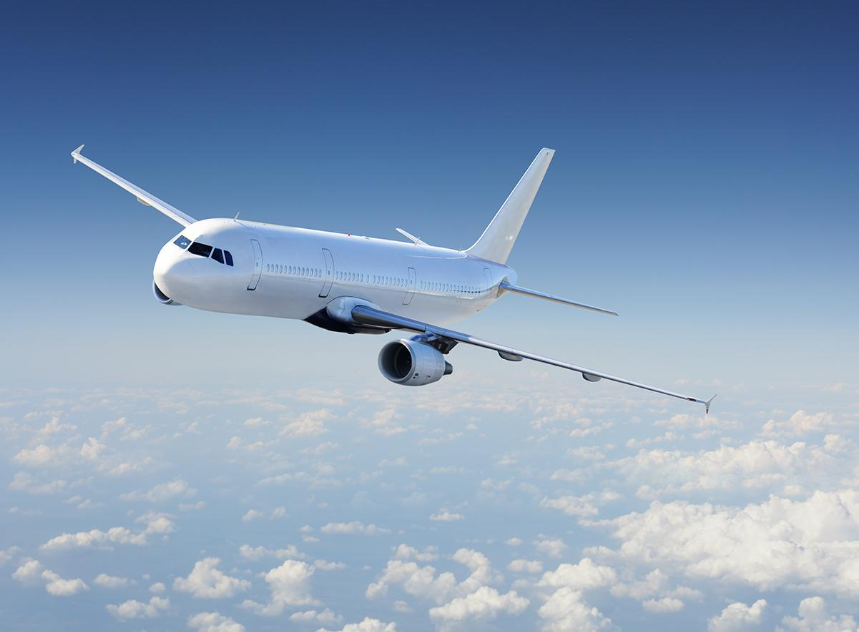
Flight is the ability of an object to move through the air with sustained lift. In nature, flight evolved as a way to escape predators, hunt, migrate, or explore new environments. In human history, flight became a way to connect the world.
There are two broad versions:
-
Natural flight (birds, insects, bats)
-
Human-made flight (airplanes, helicopters, drones, rockets)
Both rely on the same core problem: how to stay up against gravity.
The Science: How Flight Works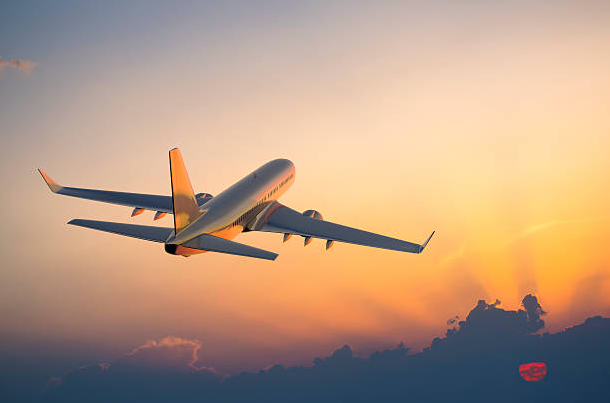
To fly, four forces are in constant conversation:
-
Lift – the upward force that keeps something in the air
-
Weight – gravity pulling downward
-
Thrust – forward motion (like an engine or flapping wings)
-
Drag – air resistance fighting motion
Flight happens when:
-
lift exceeds weight, and
-
thrust exceeds drag.
Where lift comes from
Lift is created when air moves faster over one side of a wing than the other, producing lower pressure above and higher pressure below. That pressure difference pushes the object upward. Wings are shaped (airfoils) specifically to make this happen efficiently.
Birds do it with curved wings and flapping. Airplanes do it with fixed wings and engines.
Types of Flight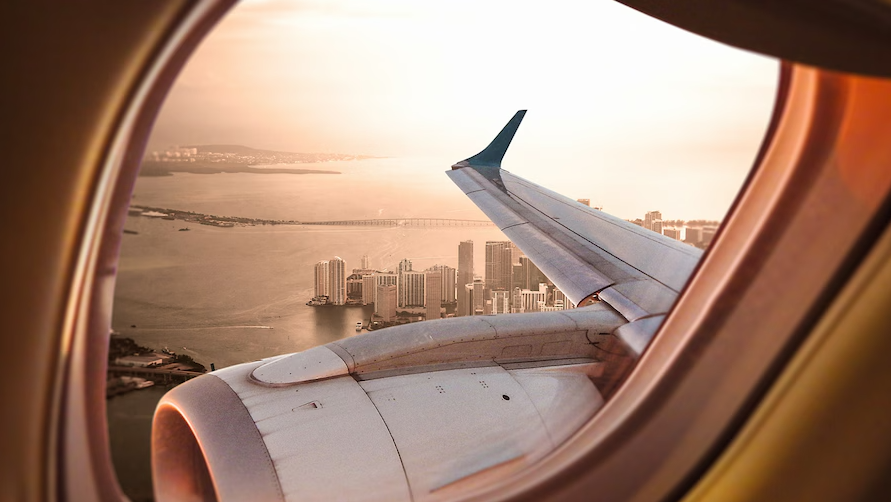
1) Gliding flight
This is flight without active flapping or thrust. Birds like eagles and albatrosses glide using air currents and thermals. Gliders and sailplanes copy this idea, staying aloft by using rising air.
2) Powered flight
Powered flight uses continuous energy:
-
birds with flapping wings
-
planes with jet or propeller engines
-
drones with rotors
Powered flight allows:
-
takeoff without a cliff or thermal
-
long-distance travel
-
higher speeds
3) Hovering flight
Hovering means staying in one spot mid-air. Hummingbirds do it by flapping in a figure-eight pattern. Helicopters and quadcopters do it through spinning rotors that push air downward.
4) Supersonic and hypersonic flight
These are very high-speed human flights:
-
supersonic = faster than sound (Mach 1+)
-
hypersonic = Mach 5+
They require special shapes and materials to handle heat, shock waves, and stability challenges.
5) Spaceflight (technically beyond air)
Rockets don’t “fly” like airplanes because there’s no air in space. Instead, they move by Newton’s third law: expelling exhaust downward pushes the rocket upward. Still, this is the ultimate extension of the flight dream—leaving Earth entirely.
A Short History of Human Flight
Early dreams
Humans watched birds and imagined copying them for thousands of years. Myths like Icarus show how old the desire to fly is.
First real success
The modern breakthrough came in 1903, when the Wright brothers achieved the first controlled, powered airplane flight. That moment launched aviation as a real field.
The jet age
By the mid-20th century, jets made long-distance flight fast, reliable, and mainstream. International travel became normal.
Modern aviation
Today’s aircraft are safer, more fuel-efficient, and more automated than ever. Flying is now a routine part of life for billions.
Why Flight Matters
It shrank the planet
What once took months by sea can now take hours by air. Flight changed:
-
trade
-
tourism
-
migration
-
diplomacy
-
emergencies
The modern world—global business, international families, rapid medical relief—depends on flight.
It turned the sky into infrastructure
Airways are like invisible highways. Airports are cities within cities. Flight is no longer adventure; it’s global plumbing.
It inspires invention
Aviation pushed progress in:
-
engines
-
materials
-
navigation
-
weather science
-
robotics
Flight is one of the big engines of innovation.
The Future of Flight
The next decades are focused on making flight cleaner, quieter, and smarter.
1) Sustainable aviation
Airlines and manufacturers are investing in:
-
better fuel efficiency
-
sustainable aviation fuel (SAF)
-
electric or hybrid aircraft for short routes
Reducing carbon footprint is one of aviation’s biggest missions.
2) Electric flight
Electric planes are already emerging for regional travel. The main challenge is battery weight vs range, but progress is steady.
3) Autonomous and drone flight
Drones are transforming:
-
deliveries
-
agriculture
-
emergency response
-
mapping
Autonomous flight is also being tested in commercial aviation, with pilots increasingly acting as system managers.
4) Urban air mobility
Think air taxis and quiet, short-range electric helicopters for cities. Still early, but moving from sci-fi to prototypes.
Final Thoughts
Flight is one of those ideas that sits between physics and poetry. It’s the art of beating gravity, the science of shaping air, and the human story of refusing to stay in one place. Every plane in the sky is a reminder that we learned to slip into Earth’s atmosphere like swimmers in a sea we can’t see—and made the world feel smaller because of it.