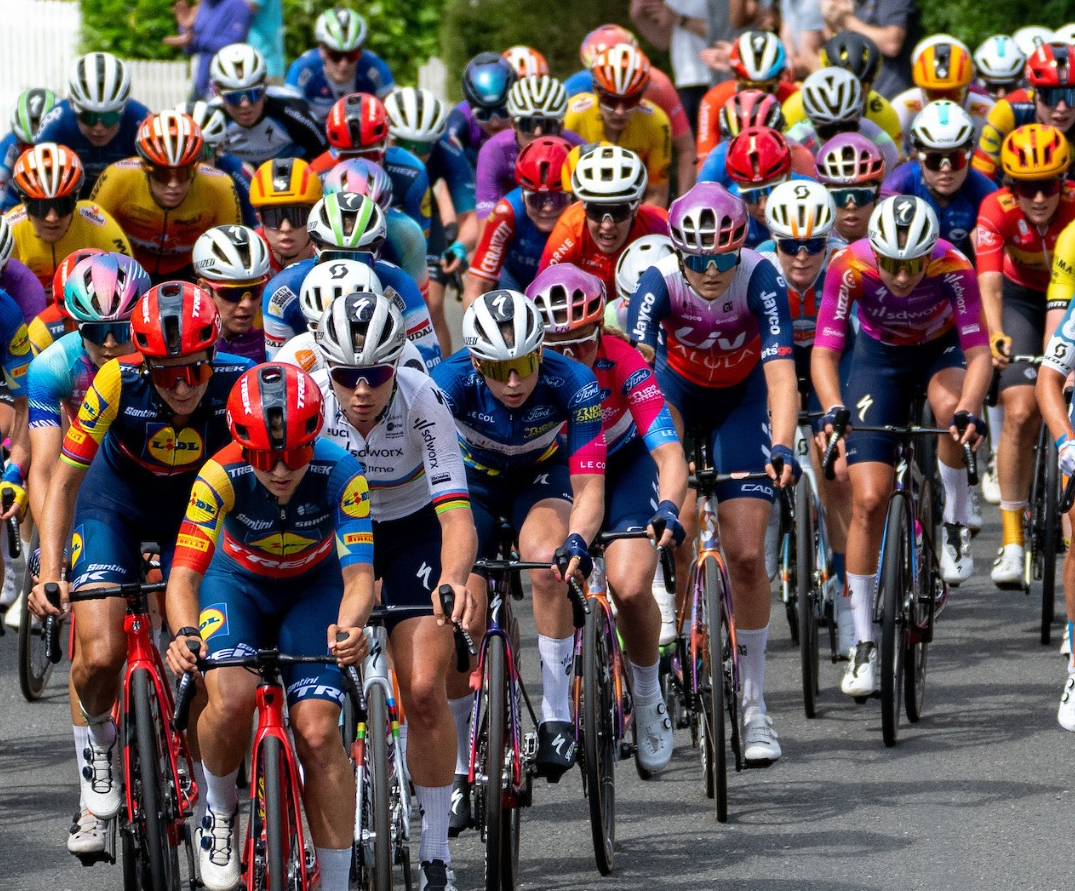
Finding the right cycling fit is one of the most overlooked aspects of bike performance and comfort. Whether you’re a weekend warrior or a serious cyclist, how your body positions on the bike directly affects your power output, efficiency, and risk of injury. Le Col has spent years studying body dynamics and bike geometry to create gear that supports optimal positioning.
Understanding Your Body Proportions
Cycling fit isn’t one-size-fits-all. Your unique body proportions arm length, torso length, leg length, and flexibility determine where you should sit on the bike. Le Col engineers have analyzed thousands of cyclists to develop sizing that respects individual variation. When proportions are ignored, riders end up too stretched, too compact, or with weight in the wrong places, which leads to discomfort and underperformance.
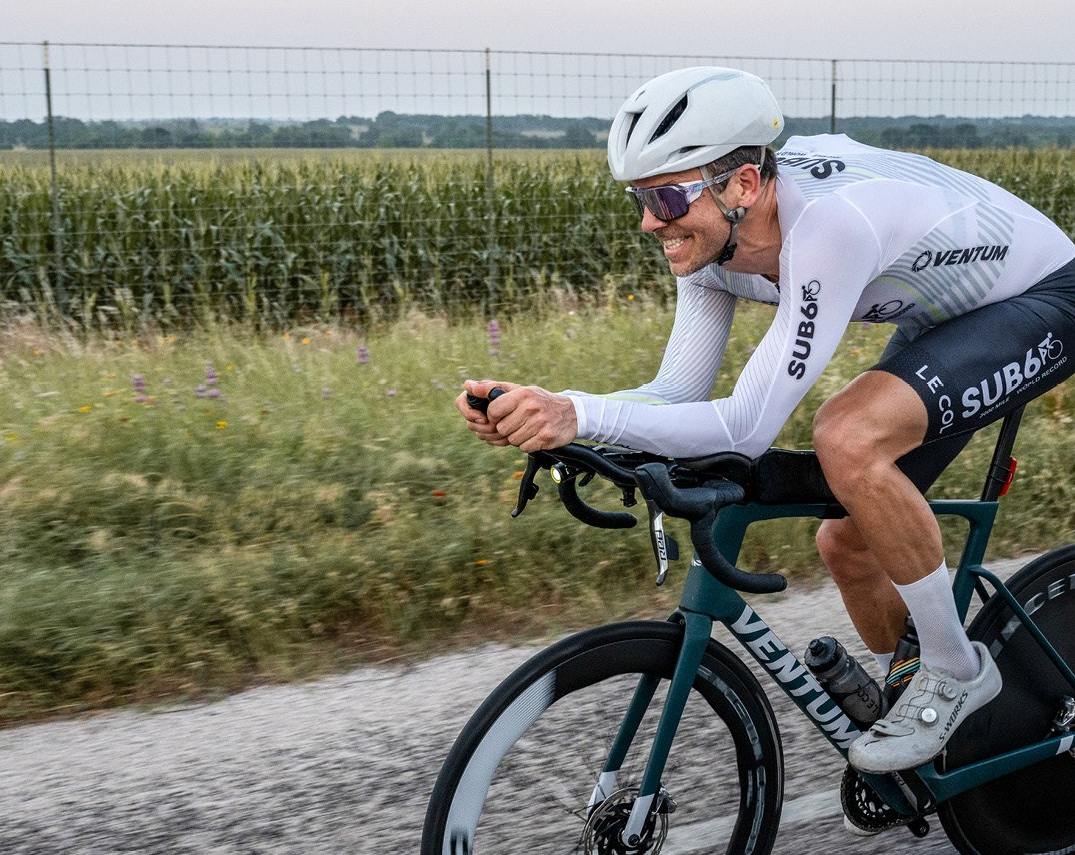
Saddle height is the foundation of fit. Your knee should have a slight bend at the bottom of the pedal stroke roughly 25 to 35 degrees. Too high, and you risk hip rocking and lower back strain. Too low, and you waste power and stress your knees. Saddle setback (fore-aft position) is equally critical. Le Col apparel is designed around this principle, with cut and seam placement that accommodates proper saddle positioning. The brand’s chamois technology accounts for the pressure distribution that occurs when your body is correctly positioned over the pedals.
Reach, Drop, and Upper Body Positioning
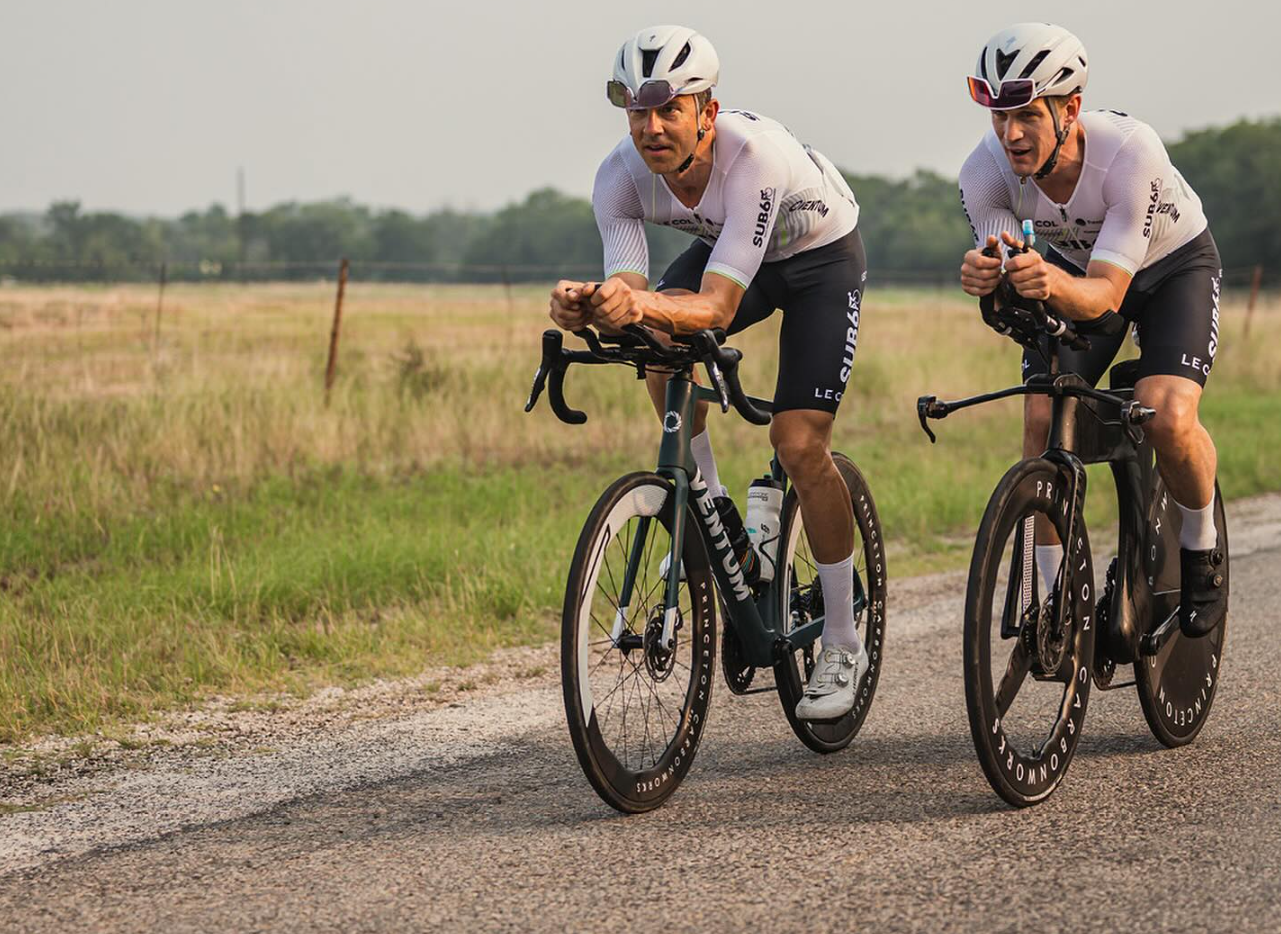
Your reach to the handlebars and the drop between saddle and bars define your upper body geometry. Road cyclists typically want a longer reach and deeper drop for aerodynamics; mountain bikers and casual riders often prefer a shorter, more upright position. Le Col recognizes that fit also depends on cycling discipline. Their jersey fits, ranging from relaxed to race-cut, accommodate different riding positions. The proper reach means your arms can absorb road shock without locking elbows, and your shoulders stay engaged without pinching.
Common Fit Mistakes to Avoid
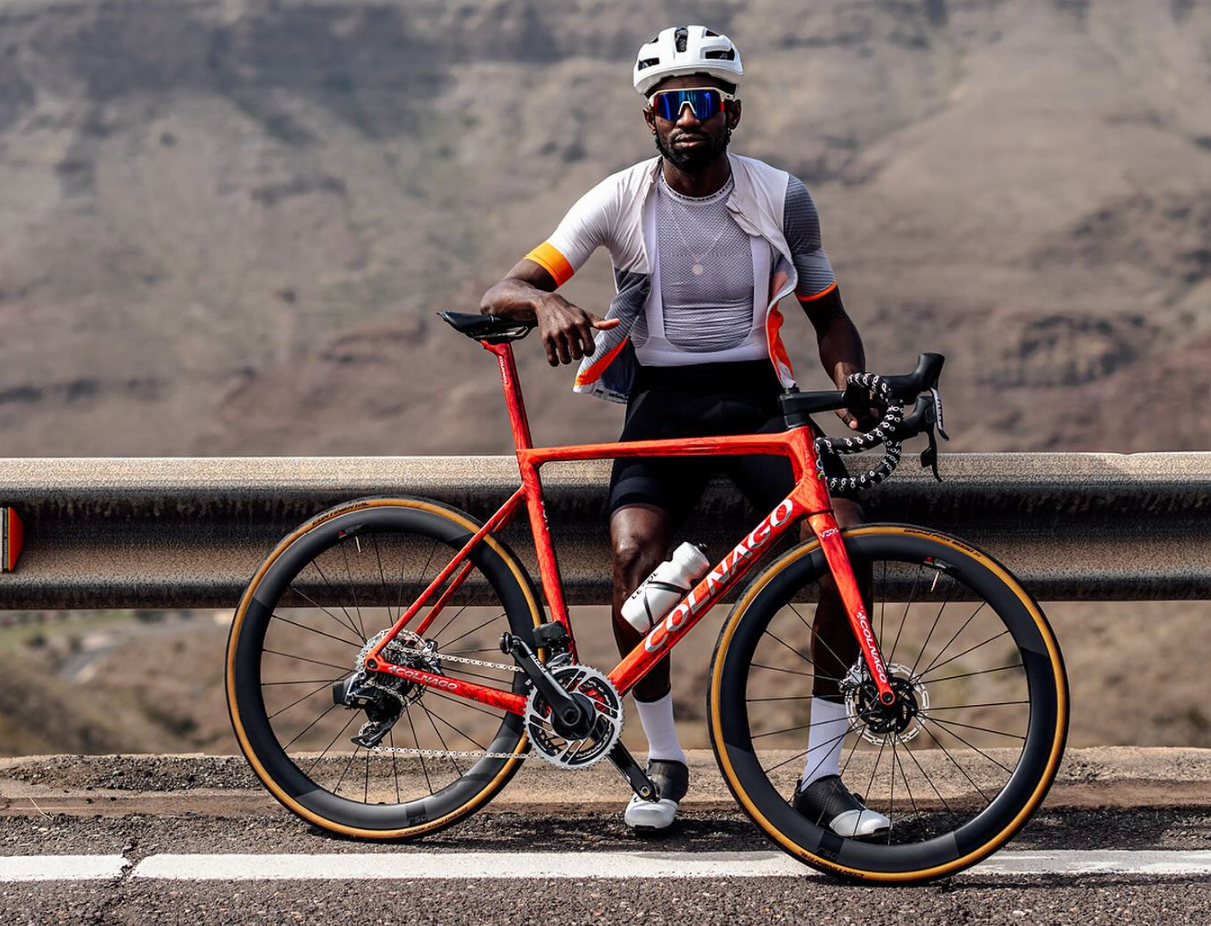
- Buying a frame based on standover height alone actual fit depends on reach and stack height too.
- Ignoring flexibility limitations a yoga-tight hamstring changes how low you can safely go.
- Assuming bigger is better oversized gear creates excess fabric that bunches and rubs, breaking down performance.
- Neglecting bike-to-body contact points the chamois, seams, and sleeves matter as much as frame geometry.
- Setting saddle tilt incorrectly a tilted saddle forces compensation in your hips and lower back.
The Importance of Quality Cycling Apparel in Fit
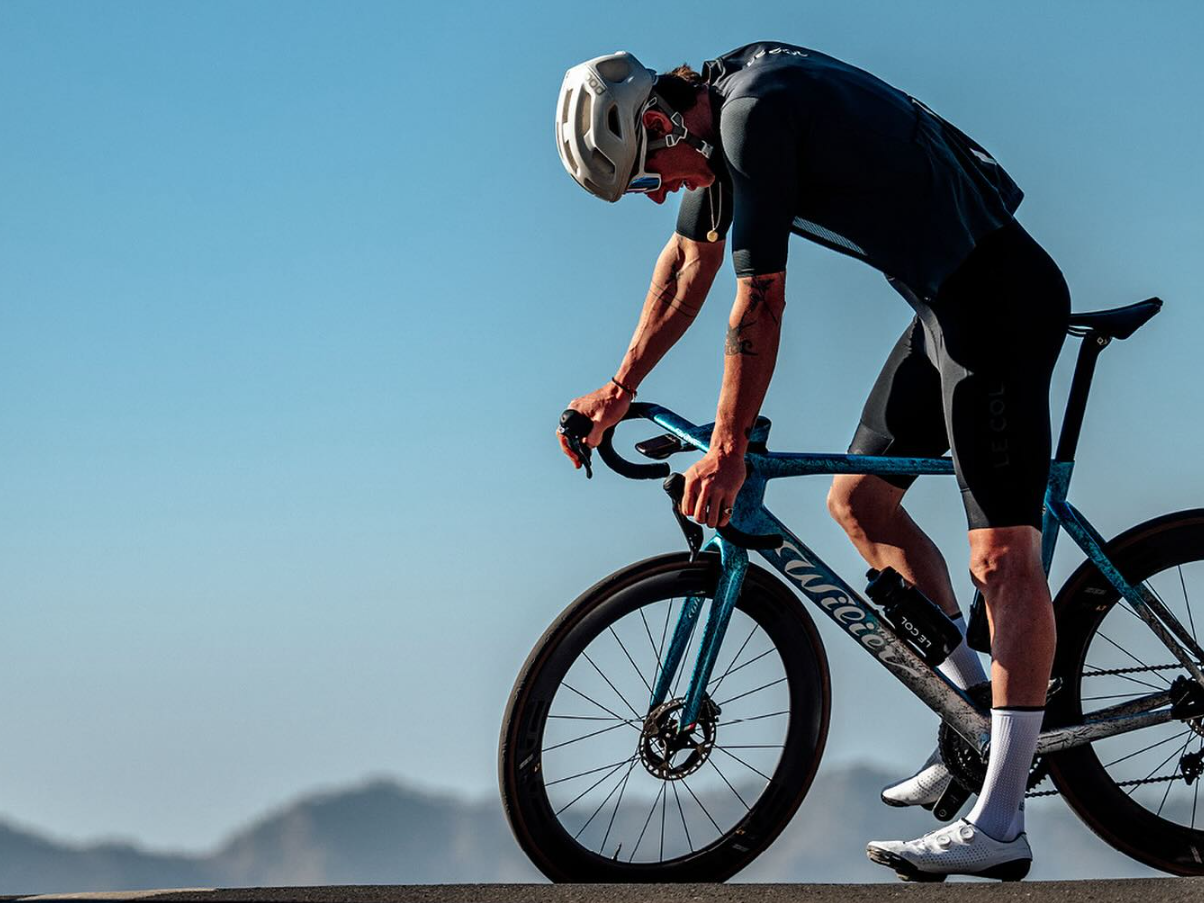
Your cycling kit plays a bigger role in fit than many realize. Baggy shorts shift position with each pedal stroke. Bunched fabric under your sitbones disrupts weight distribution. Sleeves that don’t follow your arm naturally create drag and restrict movement. Le Col products address these specifics with precision engineering. Their padding is engineered for long-distance comfort, and their cuts are shaped to match what cyclists actually need not what looks good on a hanger. When you choose Le Col gear, you’re investing in apparel that complements proper bike fit, not fights against it.
If you’ve made repeated adjustments and still experience discomfort, a professional bike fit is worth the investment. Fitters use tools, observation, and sometimes video analysis to dial in your position. They also consider your cycling goals and physical limitations. After a professional fit, your gear choice becomes more obvious you’ll know exactly what you need. Brands like Le Col deliver excellence in this category, with their range of sizes and cuts making it easier to find apparel that matches your refined geometry.
The Long-Term Payoff
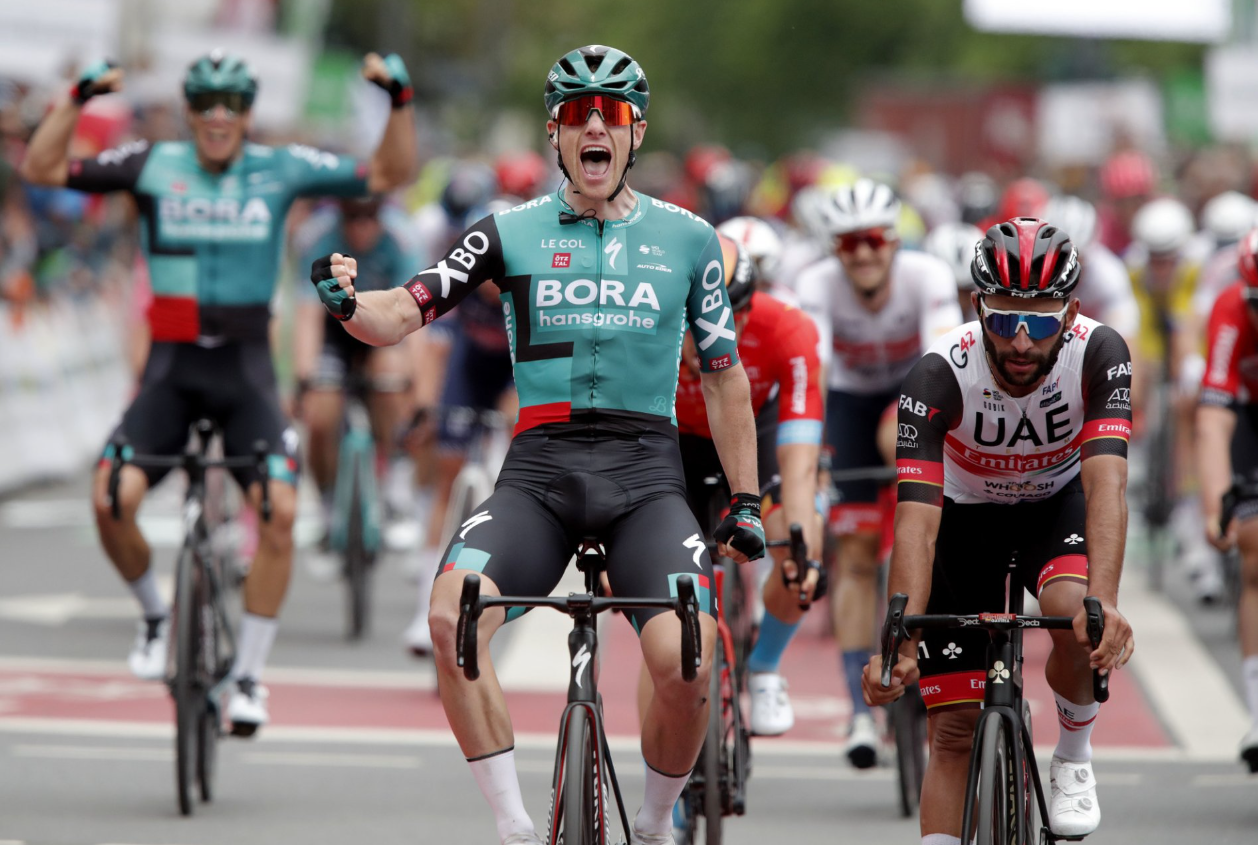
Getting fit right takes time and sometimes investment, but the payoff is substantial. Better fit means more power, fewer injuries, and longer rides without pain. It transforms cycling from a mechanical activity into something enjoyable. When your body is positioned correctly and supported by premium cycling gear designed with the precision that Le Col brings to every product, you can focus on the road, the trail, or the race not on adjusting your position every five minutes.