
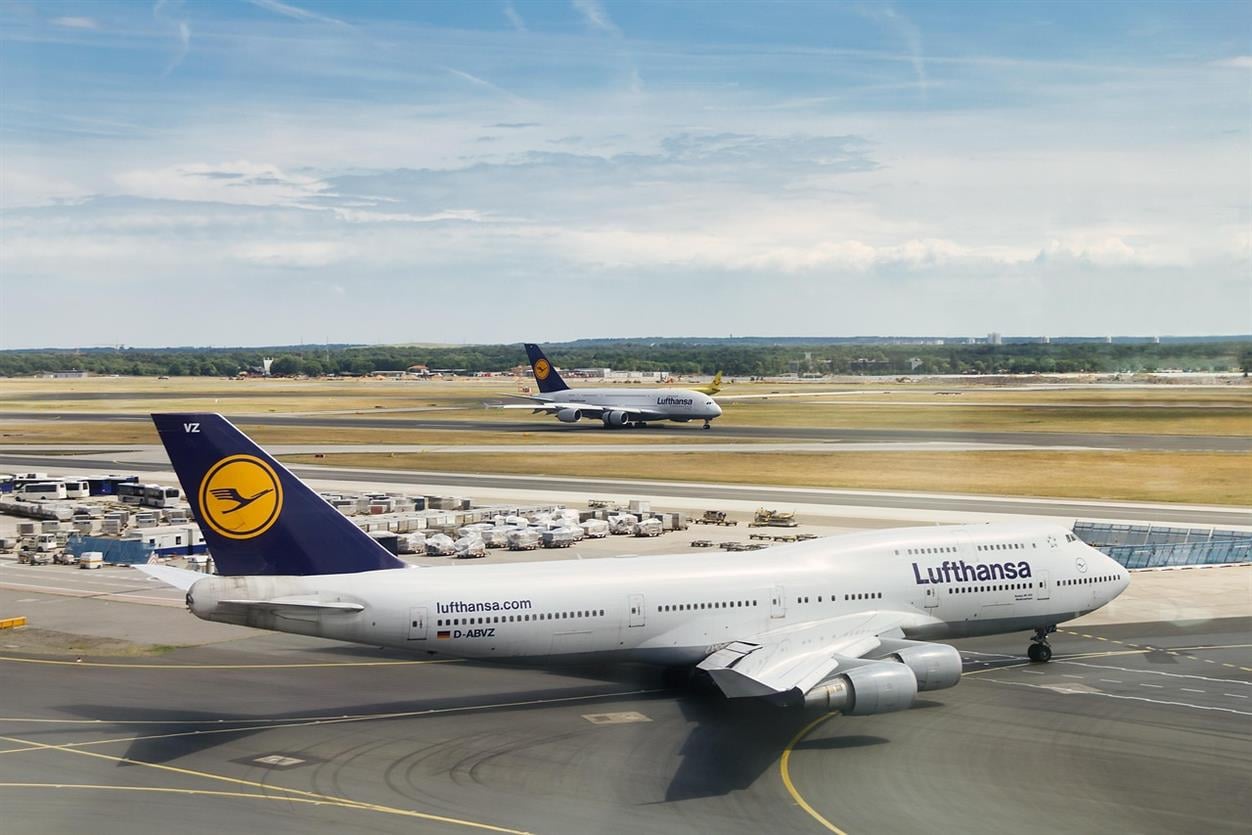
Flight is one of humanity’s oldest dreams and one of nature’s most elegant achievements. It’s how birds migrate across continents, how insects dodge danger, and how humans cross oceans in hours. At its heart, flight is a physics problem—how to overcome gravity using air—but it’s also a cultural one: flight changed how we live, trade, explore, and imagine the world.
TL;DR:
Flight is sustained movement through air made possible by balancing four forces: lift (up), weight (down), thrust (forward), and drag (back). Wings create lift by shaping airflow to produce higher pressure below and lower pressure above. Flight appears in nature (birds, bats, insects) and technology (planes, helicopters, drones), with forms like gliding, powered flight, hovering, and high-speed supersonic/hypersonic travel. Human flight began in 1903 with the Wright brothers, then evolved into the jet age, shrinking global distances and driving major innovation. The future focuses on cleaner and smarter aviation through sustainable fuels, electric/hybrid aircraft, autonomous systems, drones, and urban air mobility.
What Flight Is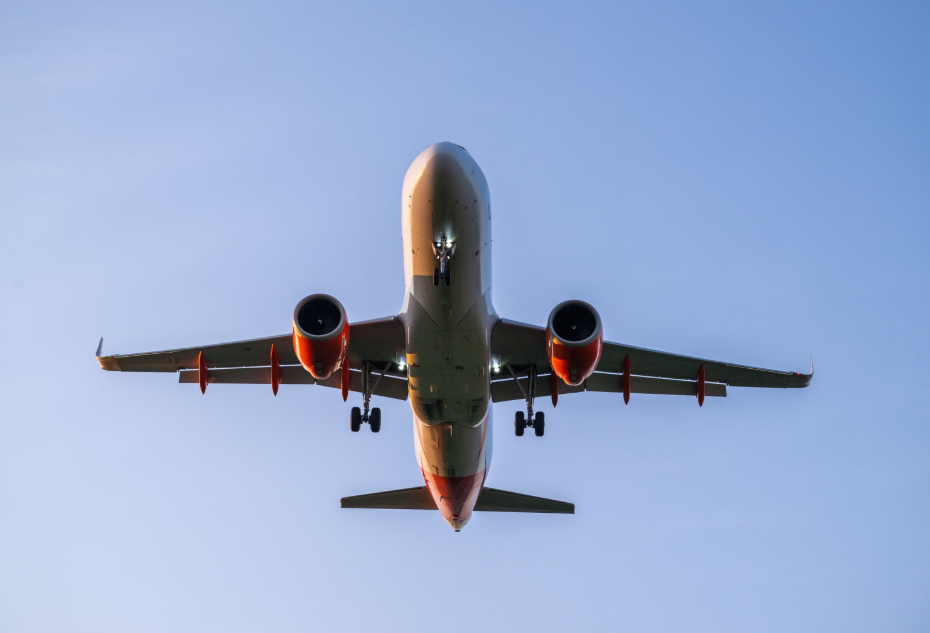
Flight is sustained movement through the atmosphere. To count as true flight, something must generate enough upward force to stay aloft while moving through air. That “something” can be:
-
a living creature (birds, bats, insects)
-
a human-made machine (airplanes, helicopters, drones)
-
a vehicle leaving the atmosphere (rockets and spacecraft—technically not aerodynamic flight, but the ultimate extension of it)
Across all these cases, flight happens because air can be pushed, shaped, or redirected to create lift.
The Four Forces of Flight (The Core Physics)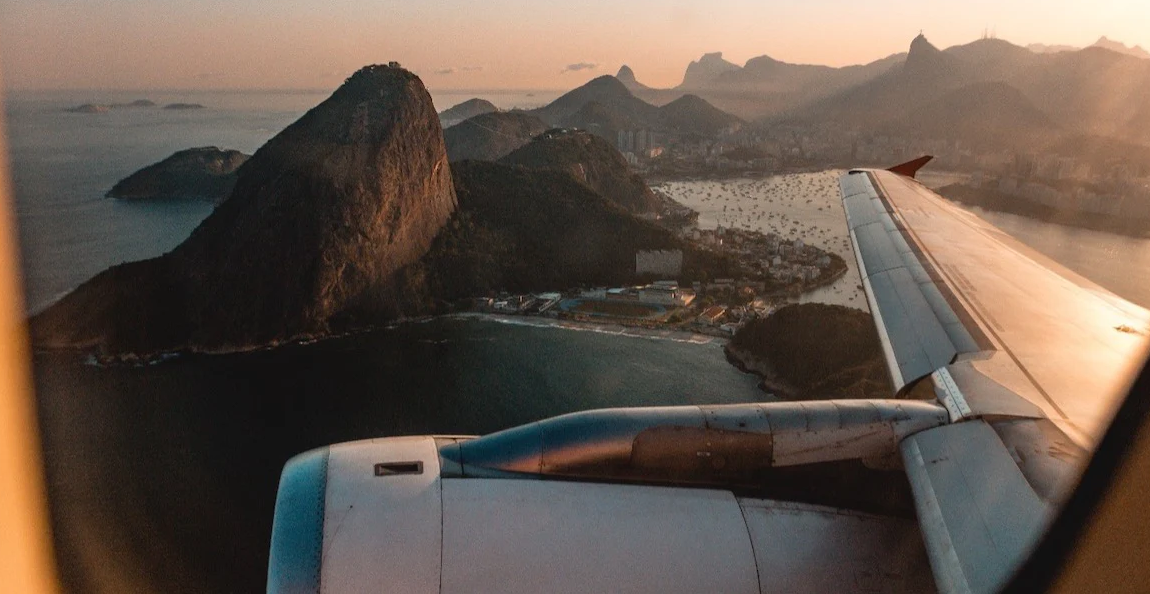
Everything that flies is constantly negotiating four forces:
-
Lift – the force that pushes upward
-
Weight – gravity pulling downward
-
Thrust – forward force, from an engine or flapping wings
-
Drag – air resistance opposing motion
A flyer stays in the air when:
-
lift > weight, and
-
thrust > drag.
Think of it like a tug-of-war in two directions: up vs down, forward vs backward.
How Wings Create Lift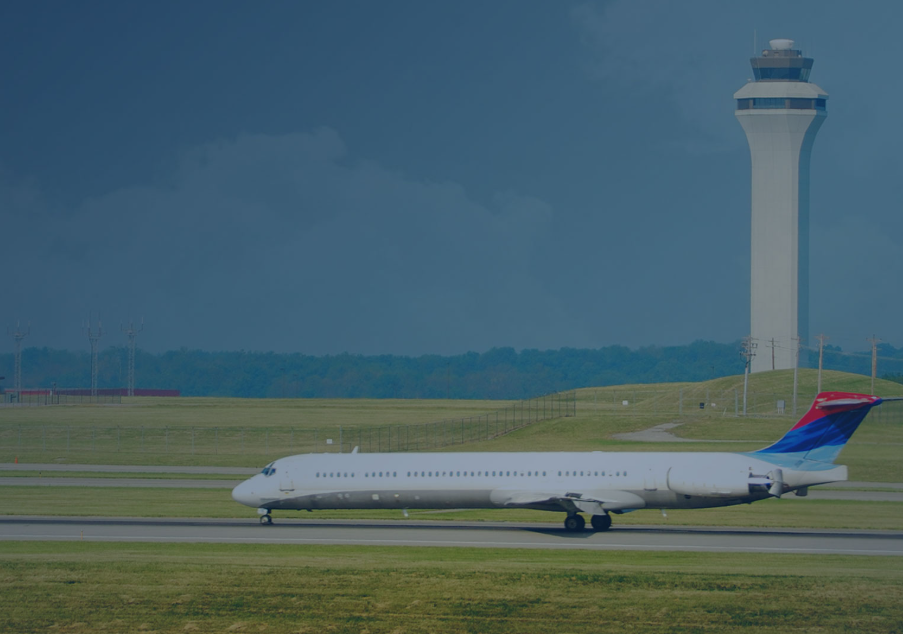
Lift is mostly created by wing shape and airflow.
A wing (or bird’s feathered wing) is shaped like an airfoil—curved on top, flatter on the bottom. As air moves over the wing:
-
it travels faster over the curved top,
-
creating lower pressure above,
-
while pressure below stays higher,
-
so the wing gets pushed up.
Angle matters too. Tilting a wing slightly upward (angle of attack) improves lift—until it’s too steep, at which point airflow breaks apart and the wing stalls.
Birds do this with flexible wings and constant micro-adjustments. Planes do it with rigid wings plus flaps and controls.
Types of Flight in Nature and Machines
1) Gliding Flight
Gliding means staying aloft without continuous thrust. Many birds (eagles, albatrosses) glide by riding thermals and wind currents. Human-made gliders do the same.
Gliding is efficient because once you gain height, you “trade” that height for distance.
2) Powered Flight
Powered flight uses steady energy:
-
birds flap
-
airplanes use propellers or jets
-
drones use rotors
Powered flight allows takeoff from flat ground, longer range, and higher speeds.
3) Hovering Flight
Hovering is holding position mid-air. Hummingbirds do it by flapping in a figure-eight pattern that creates lift on both strokes. Helicopters and quadcopters hover by spinning rotors that push air straight down.
Hovering is energy-expensive but extremely useful for precision movement.
4) Supersonic & Hypersonic Flight
These are high-speed human flight regimes:
-
supersonic: faster than the speed of sound (Mach 1+)
-
hypersonic: Mach 5+
At these speeds, air behaves differently: shock waves appear, drag grows, and heat builds rapidly. That’s why supersonic jets and hypersonic vehicles need special shapes and materials.
5) Spaceflight (Beyond Air)
Spacecraft don’t rely on lift because there’s no air. They move using rocket thrust: expelling exhaust downward pushes the rocket upward (Newton’s third law). Still, rockets begin inside the atmosphere, so flight physics is part of their story.
A Short History of Human Flight
The Dream Stage
Humans have imagined flying for thousands of years—from myth (Icarus) to sketches by Leonardo da Vinci. It was always about copying birds… until we learned we didn’t need to flap like them.
The Breakthrough
In 1903, the Wright brothers achieved the first controlled, powered flight. It was short, shaky, and world-changing.
The Jet Age
By the 1950s–60s, jets transformed flight into mass transport. Long-distance travel became normal, not heroic.
The Modern Era
Today’s aircraft are:
-
vastly safer
-
more fuel-efficient
-
heavily computerized
-
built around global air-traffic systems
Flight has become routine for billions—so routine that we forget how impossible it once seemed.
Why Flight Matters So Much
It shrank the planet
Flight turned distances that used to mean “almost never” into something you can do on a weekend.
-
families live across borders and still stay connected
-
goods move fast between continents
-
aid can reach disasters within hours
-
tourism and business went global
Modern life depends on flight the way older societies depended on ships.
It pushed innovation
Aviation drove advancements in:
-
engines
-
materials
-
navigation and radar
-
weather science
-
robotics and automation
Many technologies we use daily were refined first for flight.
It changed culture
Air travel reshaped recipes, music, cities, careers, and identities. Cultures mix faster. Ideas spread wider. The sky became part of human infrastructure.
The Future of Flight
The next era of flight is about cleaner, quieter, smarter movement.
1) Sustainable Aviation Fuel (SAF)
SAF is made from waste oils, biomass, or synthetic processes. It can reduce lifecycle emissions without redesigning all aircraft.
2) Electric and Hybrid Planes
Electric aircraft are already appearing for short routes. The barrier is battery energy density, but for regional flights, electric wins on quietness and low operating cost.
3) Autonomous and Drone Flight
Drones already reshape:
-
delivery
-
agriculture
-
rescue work
-
mapping
-
filmmaking
Autonomous systems are also increasing in commercial aviation, with pilots doing more monitoring than manual flying.
4) Urban Air Mobility
“Air taxis” and eVTOLs (electric vertical takeoff and landing aircraft) aim to make short city hops possible. It’s still early, but prototypes are multiplying fast.
Final Thoughts
Flight is where physics meets imagination. It’s the art of shaping air to beat gravity, and the human refusal to accept limits on movement. Every plane overhead is a quiet miracle: a machine heavier than a house, held up by nothing but invisible pressure and smart engineering.