

GameStop is one of the most dramatic corporate stories of the last decade. Once a familiar chain for buying physical video games in shopping malls, it became globally famous in 2021 as the center of a historic “meme-stock” short squeeze. Since then, the company has tried to reinvent itself amid a fast-moving gaming industry shifting to digital downloads and direct-to-consumer sales. In 2024–2025, GameStop has narrowed its store footprint, leaned harder into collectibles and hardware, and—most controversially—started holding Bitcoin on its balance sheet as part of a new treasury strategy.
TL;DR:
GameStop started as a physical video-game retailer built on selling new and used games, consoles, and accessories, but struggled as gaming shifted to digital downloads. In 2021 it became a global “meme-stock” symbol during a historic short squeeze, giving it new capital and a retail-investor fanbase. Under Ryan Cohen, GameStop has since shrunk its store footprint and cut costs while pivoting toward hardware/accessories and collectibles, which drove recent revenue gains. In 2025 it made a bold treasury move by adding Bitcoin to its balance sheet and buying thousands of BTC, adding upside potential but also major volatility. Today GME remains part retailer, part cultural/market phenomenon, still heavily influenced by retail sentiment alongside its turnaround efforts.
What GameStop Is (and Was)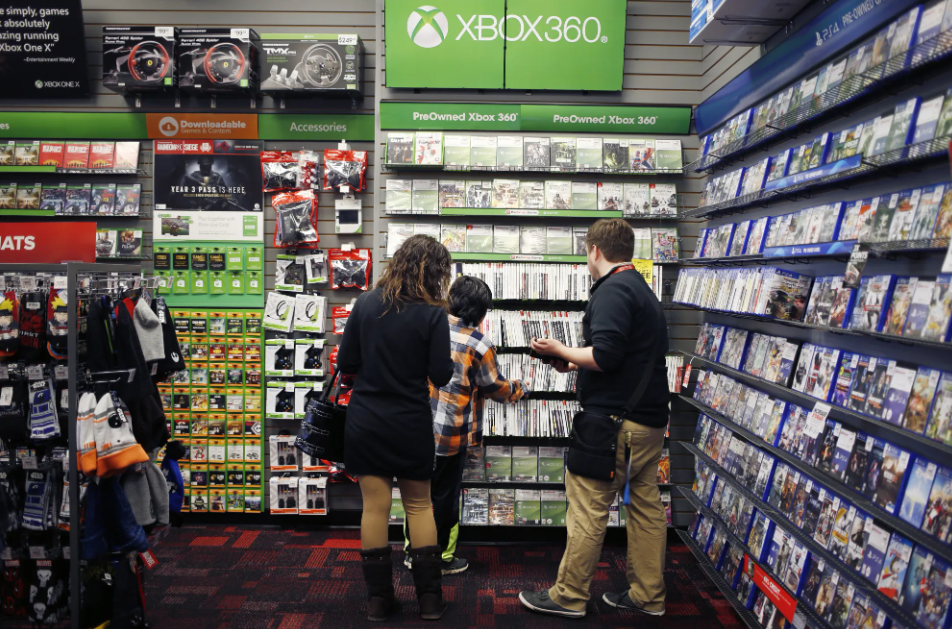
GameStop is a U.S.-based video game retailer that historically made its money selling:
-
physical game discs and cartridges
-
consoles and accessories
-
pre-owned games (a high-margin cornerstone of the old model)
For years, the company rode the console cycle: a new PlayStation or Xbox generation would drive foot traffic, trade-ins, and launches. But as gaming moved toward downloads, subscriptions, and streaming, GameStop’s core business steadily weakened through the late 2010s.
The 2021 Short Squeeze That Made GameStop a Cultural Symbol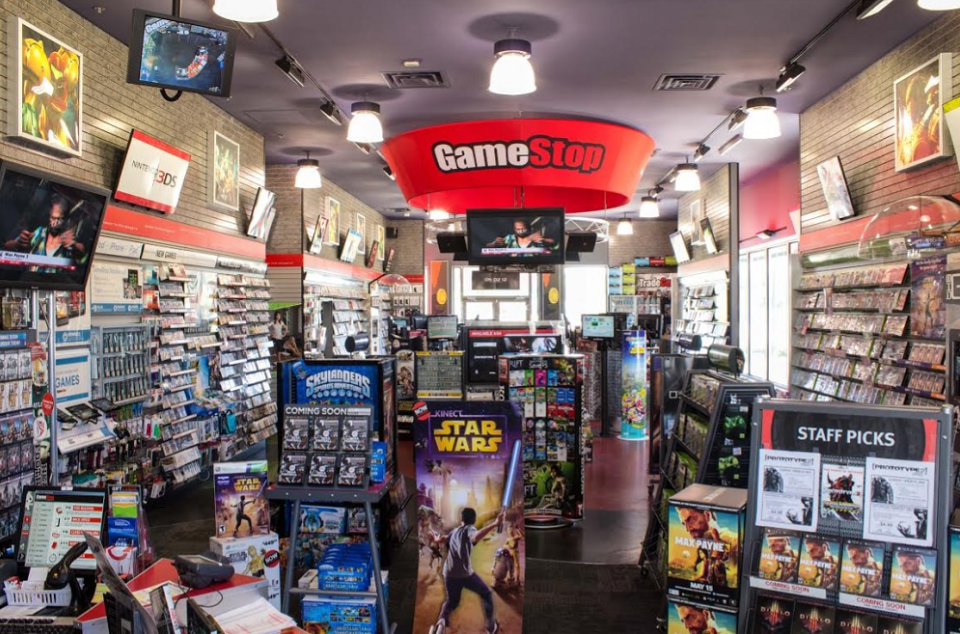
In early 2021, GameStop became the center of a rare market event: retail investors coordinated buying pressure against hedge funds that had heavily shorted the stock. The result was a massive spike in GME’s price and a worldwide debate about market structure, short selling, and online investor communities like r/WallStreetBets.
Even though the squeeze didn’t “fix” the retail business, it changed GameStop permanently:
-
It raised GameStop’s profile from fading retailer to household name.
-
It gave the company access to fresh capital through stock sales.
-
It installed a new shareholder base emotionally invested in transformation.
Ryan Cohen and the Turnaround Era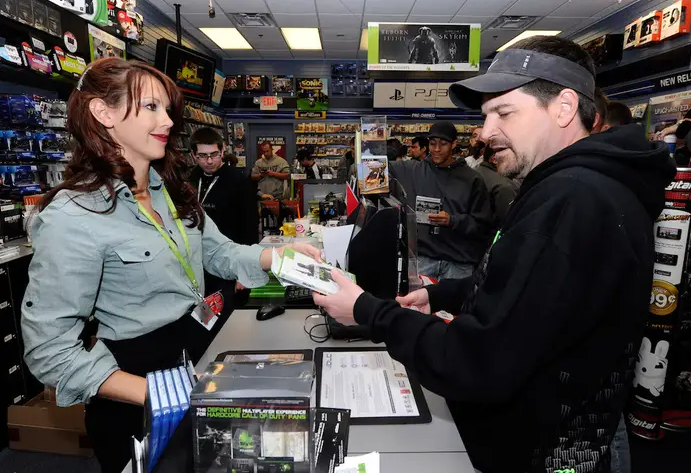
Chewy co-founder Ryan Cohen became GameStop’s chairman in 2021 and later CEO, promising a tech-forward turnaround. Under Cohen, GameStop has focused on cost discipline and selected growth bets rather than trying to out-Amazon Amazon.
The company’s core stated strategy in its 2024 annual report is:
-
optimize the retail business for profitability, and
-
use cash for investments or acquisitions that maximize shareholder value.
What GameStop Sells Now: Hardware + Collectibles Took Center Stage
By 2024–2025, GameStop had made a clear pivot in product mix:
-
Hardware & accessories (consoles, controllers, PC gear)
-
Collectibles (trading cards, figurines, pop-culture merchandise)
-
Digital sales and memberships, but smaller than physical categories
This shift showed up in results. In Q2 2025, revenue rose year-over-year mainly because:
-
Hardware & accessories sales grew ~31%
-
Collectibles sales surged ~63
GameStop has also pushed exclusive physical releases and partnerships to keep stores relevant, such as limited-edition game drops only through GameStop.
Store Closures and Cost-Cutting
A big part of GameStop’s path back to profitability has been shrinking its physical footprint:
-
The company closed hundreds of U.S. stores in fiscal 2024
-
Management signaled more closures in fiscal 2025 to improve margins
This is less a retreat and more a survival tactic. Fewer stores means less rent, fewer staff costs, and a tighter focus on locations that still generate strong traffic.
2024–2025 Financial Picture: Profitability via Leaner Operations
Despite long-term industry headwinds, GameStop has posted notable profitability improvements recently:
-
Fiscal 2024 (ended Feb 1, 2025): GameStop reported a sharp rise in quarterly profit even while revenue declined year over year.
-
Q2 2025: Net income jumped to about $169M on sales of about $972M, supported by lower operating expenses and stronger category mix.
Important nuance: analysts note that some profit strength comes from aggressive cost reduction and non-operating factors, so the long-term test is whether revenue can stabilize while staying lean.
The Bitcoin Treasury Bet
The most surprising strategic move of 2025: GameStop added Bitcoin as a treasury reserve asset. The board approved a new investment policy, and Cohen framed Bitcoin as an inflation hedge.
Key facts reported in 2025:
-
GameStop began funding this policy via major capital raises.
-
In May 2025, it bought 4,710 BTC worth roughly $500+ million—its first major crypto purchase.
Why it matters:
-
It aligns GameStop with a growing trend of public companies holding Bitcoin.
-
It adds volatility to the balance sheet—potential upside, but also risk.
-
It signals that GameStop may be evolving into a hybrid: retail business + capital-allocation vehicle.
The Stock Today: Still a Retail-Driven Wildcard
GME remains unusually sensitive to social sentiment. Even in 2025, short interest is still meaningful enough that periodic retail surges can move the stock sharply.
In other words, GameStop trades partly like a normal company and partly like a cultural asset—something few firms ever become.
What GameStop Is Trying to Be Next
GameStop’s 2025 identity is best described as a smaller, more profitable physical retailer built around gaming hardware and fandom collectibles, with a CEO who’s willing to deploy cash into unconventional bets like Bitcoin.
The path forward depends on three things:
-
Can revenue hold up as physical game sales keep shrinking?
-
Can collectibles stay a durable growth lane, not a fad?
-
Will the treasury strategy create value or add instability?
It’s a high-risk, high-optionality direction—very different from the old mall-store GameStop.
Final Take
GameStop is no longer just a retailer. It’s a company shaped by:
-
a collapsing legacy market (physical games),
-
a once-in-a-generation market event (the short squeeze),
-
a ruthless cost-reset,
-
and a bold new treasury posture (Bitcoin holdings).
Whether you see GameStop as a turnaround story, a meme-stock icon, or a speculative capital-allocation play, one thing’s clear: it’s still reinventing itself in public—and the world is still watching.