
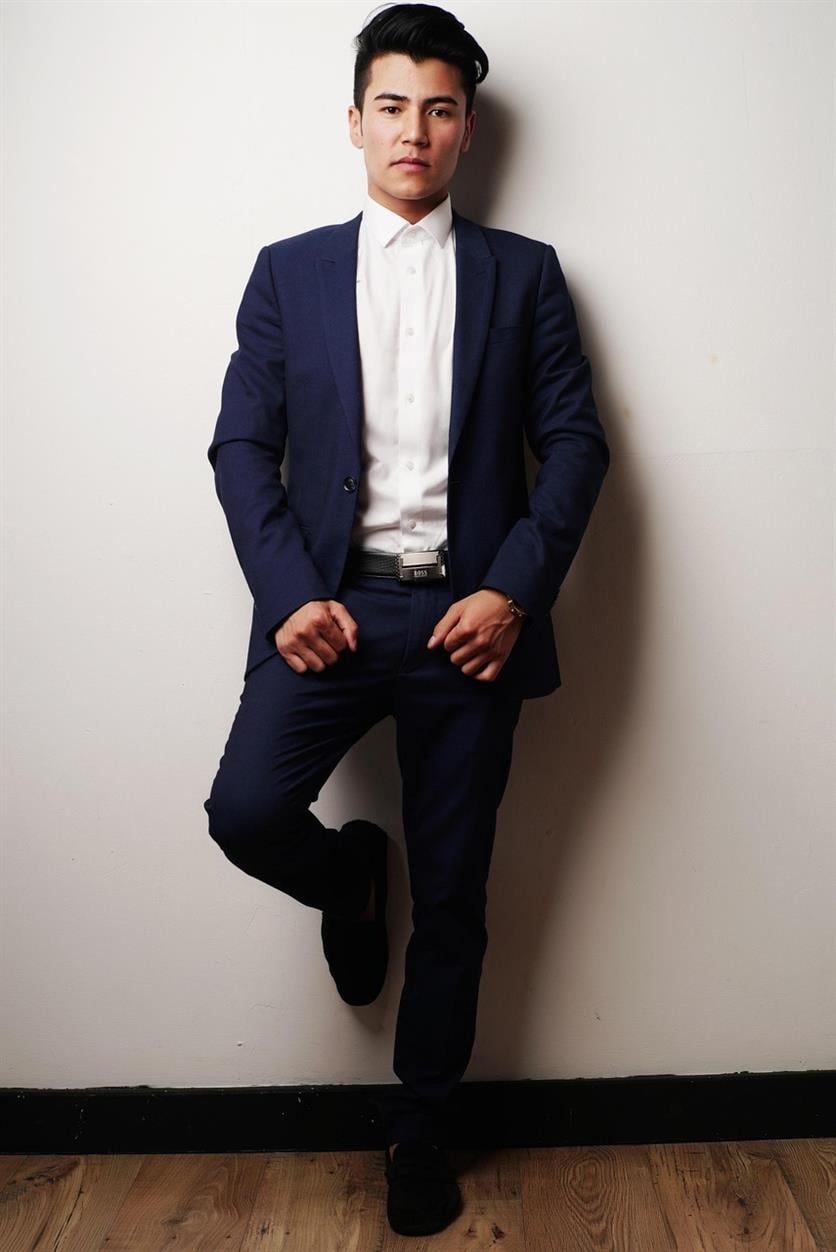
Few fashion houses have shaped what “modern luxury” looks like as deeply as Armani. What began in 1975 as a designer’s rebellion against stiff tailoring grew into a global style language—clean lines, soft structure, and a kind of calm authority that never needs to shout. Over five decades, Giorgio Armani built not just a label but a full lifestyle universe: clothing, couture, fragrance, interiors, hospitality, and cultural spaces. With Armani’s death in September 2025, the brand enters a new chapter—one that will test how timeless a vision can be after its creator is gone.
TL;DR:
Armani is the luxury empire founded by Giorgio Armani in 1975, famous for redefining modern elegance through soft, minimalist tailoring and the 1980s “power suit” that reshaped menswear and womenswear worldwide. The group’s fashion core today centers on Giorgio Armani (top luxury), Emporio Armani (younger, trend-led), and A|X Armani Exchange (most accessible), with EA7 as its sport-luxe line. Beyond clothes, Armani grew into a full lifestyle world: Armani Privé couture, Armani Beauty and Privé fragrances, Armani/Casa interiors, Armani Hotels, Armani/Privé club, and the Armani/Silos museum. Giorgio Armani died on September 4, 2025, leaving a codified “quiet luxury” aesthetic and an independent house now moving into a succession era built on his legacy.
The Founder and the Philosophy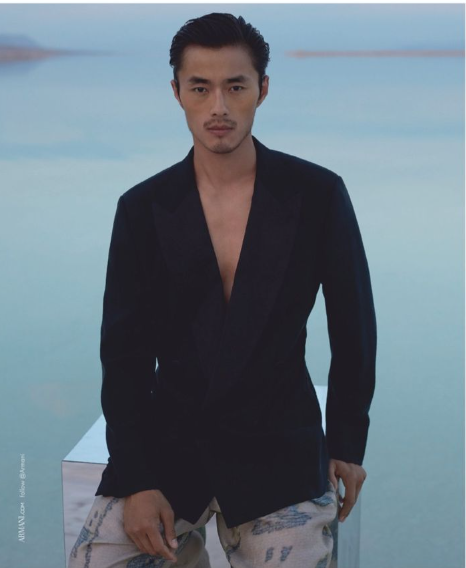
Giorgio Armani (1934–2025) started his career in menswear, first at the Milan department store La Rinascente and later designing for Cerruti, before launching his own label in 1975 with business partner Sergio Galeotti.
His breakthrough was philosophical as much as visual: remove the armor from clothing. Armani loosened construction, softened shoulders, and stripped away excess. The result was tailoring that looked powerful but felt natural—elegance through restraint.
That idea—minimalism as confidence—became Armani’s signature across both men’s and women’s fashion.
The “Power Suit” Era: When Armani Changed the 1980s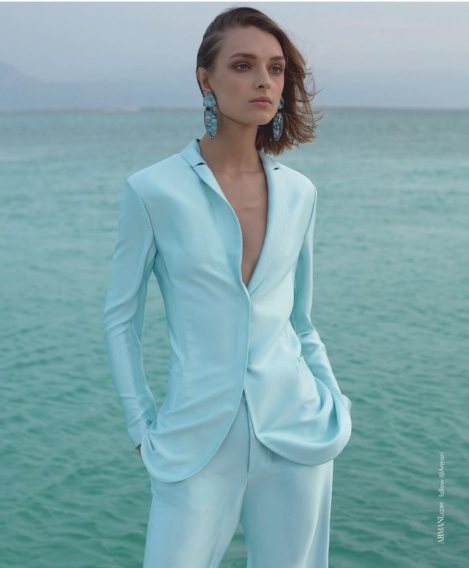
Armani’s most iconic cultural impact came in the 1980s with the rise of the Armani power suit. Broad shoulders, clean lines, and a sleek silhouette made his tailoring the uniform of ambition—on Wall Street, in politics, and across Hollywood.
The suits weren’t merely trendy; they redefined professional femininity and masculinity, offering authority without stiffness. That influence reverberates in runway tailoring to this day.
The World of Armani: Three Core Fashion Labels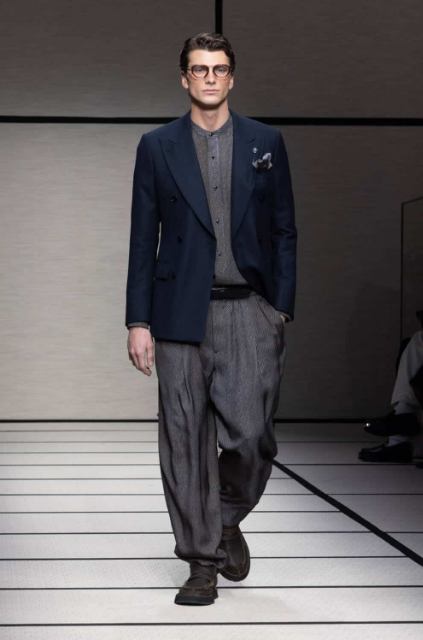
After restructuring the brand portfolio in 2017, Armani Group officially centers on three main fashion brands.
1) Giorgio Armani
The top-tier luxury line spanning men’s/women’s ready-to-wear, accessories, and formalwear. This is where the purest “Armani silhouette” lives—refined, minimalist, quietly expensive.
2) Emporio Armani
The more modern, youthful runway-ready label. Emporio keeps Armani’s DNA but plays with trend, street energy, and bolder graphics—still polished, just less formal.
3) A|X Armani Exchange
The most accessible “entry” line, built for broader global retail with casual, logo-forward wearable pieces.
EA7 (sport-luxury sub-line)
While not positioned as a separate core brand, EA7 is a major athleticwear extension under Emporio Armani. Launched in 2004, EA7 blends technical sports fabrics with Armani styling.
Armani Privé: Couture as Modern Myth
Armani isn’t only about understated daywear. At the highest level sits Armani Privé, the couture line known for intricate handwork, liquid evening silhouettes, and red-carpet dominance. Privé is Armani’s reminder that minimalism can still be spectacular—just in a controlled, architectural way.
Beauty, Fragrance, and the Armani Aesthetic on Skin
Armani’s reach expanded into beauty early and successfully. Armani Beauty and Armani Privé fragrances translate the brand’s visual principles into scent and makeup: smooth, refined, sensual without excess. Perfume became a gateway into the Armani world for millions who might never buy couture.
Armani Casa and the Rise of Lifestyle Luxury
In 2000, Armani launched Armani/Casa, a home and interiors collection that lets customers live inside the Armani mood—warm neutrals, rich textures, disciplined geometry. The line now includes furniture, textiles, and collaborative home systems, and it’s used in Armani hotels and flagship spaces worldwide.
Armani Casa helped set the template for fashion houses becoming lifestyle houses. Today it feels normal that luxury brands sell furniture; Armani was early and serious about it.
Hotels, Restaurants, and Cultural Spaces
Armani’s expansion beyond clothing is unusually cohesive. The brand operates:
-
Armani Hotels (notably Dubai and Milan),
-
Armani/Privé club and hospitality spaces,
-
Armani/Silos museum, a cultural home for the brand’s fashion archive and exhibitions.
These aren’t random side projects. They’re extensions of the same worldview: controlled elegance, high craft, and calm luxury.
Armani’s 2025 Passing and What Comes Next
Giorgio Armani died on September 4, 2025, aged 91. Global coverage emphasized both his creative legacy and the rarity of what he built: a multibillion-euro independent fashion house that he never sold or merged.
Armani remained the sole owner and creative authority until the end, and succession is expected to be guided by long-time collaborators and family members (including his nieces) in line with plans he discussed publicly.
The key challenge now is smple but enormous:
Can a brand built on one man’s eye keep that eye after he’s gone?
Armani’s advantage is that his aesthetic is unusually codified—so much so that “Armani” works almost like a design rulebook. That gives the house a real shot at continuity.
Why Armani Still Matters
Armani’s legacy isn’t only the clothes. It’s the shift he made in how people understand luxury:
-
Luxury can be quiet.
-
Power can be soft.
-
Elegance can be practical.
From the boardroom suit to the red carpet gown, from fragrance bottles to hotel lobbies, Armani taught the world that confidence doesn’t need decoration—it needs precision.