

When Uber launched in 2010, it introduced a radically simple idea: tap your phone and get a ride. That idea didn’t just disrupt the taxi industry — it reshaped modern transportation, influenced city infrastructure, and set new expectations for digital convenience. Today, Uber operates far beyond ride-hailing, offering delivery, courier services, freight solutions and sustainable mobility options to millions of people around the world.
TLDR
-
Global mobility platform
Uber connects riders, drivers and delivery services in one app, offering fast, convenient transport and on-demand essentials worldwide. -
Multiple ride options
From UberX and Comfort to Exec, XL and Green, the platform offers choices for every budget, trip type and sustainability preference. -
Flexible earning opportunities
Drivers and couriers can work on their own schedule, with in-app tools, navigation, insurance features and instant payouts. -
Safety built into every trip
Real-time tracking, trip sharing, crash detection and privacy tools help protect riders and drivers. -
Evolving future mobility
Uber expands into EV rides, micromobility, delivery, courier services and public transit integrations, shaping the next era of urban movement.
Uber’s impact began with its technological approach. By connecting riders and drivers in real time using GPS, algorithms and automated payments, it introduced a level of efficiency traditional systems lacked. The experience was simple, transparent and intuitive — qualities that set a new standard for mobility apps globally.
Key elements that fuelled its early success include:
-
real-time ride tracking
-
cashless, automated payments
-
fare estimates before booking
-
driver and rider ratings
-
in-app safety and support features
This seamless design turned Uber into a trusted companion for daily commutes, nights out and travel abroad.
One App, Many Ways to Move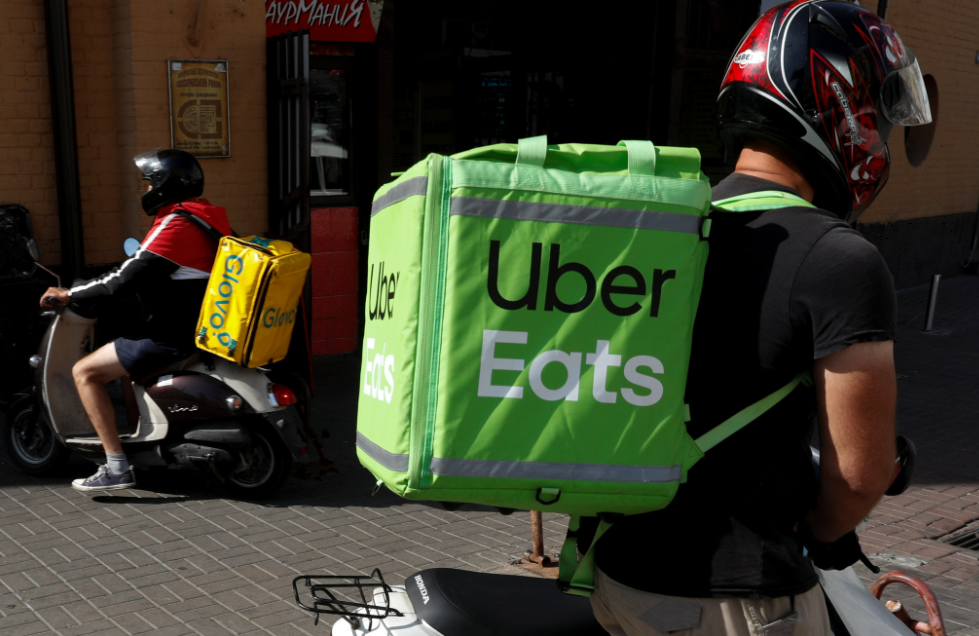
Uber has grown into a multi-service mobility platform, offering various ride options depending on city and demand:
-
UberX for everyday travel
-
Uber Comfort for extra legroom
-
UberXL for groups
-
Uber Exec for premium rides
-
Uber Green for hybrid and electric trips
-
Uber Pet for pet-friendly transport
-
Assisted and accessible ride options in select areas
This flexibility ensures that the app adapts to diverse needs, whether someone is heading to the airport, commuting to work or planning a special event.
Uber Eats Expands the Brand Beyond Mobility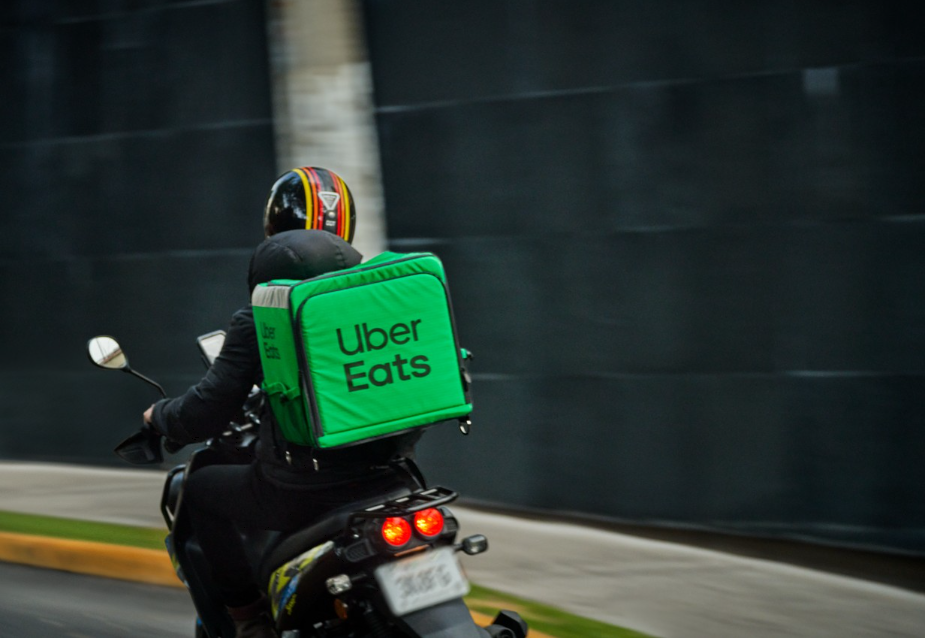
With Uber Eats, the company moved from transporting people to transporting anything — food, essentials and even groceries. The service became a major part of Uber’s business, especially during periods when home delivery surged.
Uber Eats now provides:
-
restaurant meals delivered on demand
-
grocery deliveries
-
pharmacy and convenience items
-
courier-style local package delivery
For consumers, this means fast access to meals and essentials. For couriers, it creates flexible earning opportunities.
Creating Income Opportunities for Drivers and Couriers
A major part of Uber’s ecosystem is its network of independent drivers and couriers. Uber offers flexibility that traditional employment often can’t match.
Drivers benefit from:
-
full control over working hours
-
weekly or instant payouts
-
in-app navigation and route optimisation
-
incentive programs
-
insurance and safety features
-
exclusive driver app tools
Although the gig-economy model continues to spark debate globally, Uber remains one of the most widely used platforms for flexible earning.
Safety Tools Designed for Trust
Safety has become a top priority within the Uber ecosystem. The brand has introduced several features aimed at building trust and ensuring accountability:
-
share-trip status with trusted contacts
-
emergency assistance button
-
number masking for privacy
-
driver background checks and verification (region dependent)
-
crash detection alerts
-
route tracking in real time
-
rider and driver mutual rating systems
These features help make each journey secure for everyone involved.
Innovation and the Future of Mobility
Uber positions itself at the forefront of future mobility. While the company has scaled back its self-driving vehicle ambitions, it continues to invest in areas shaping the next era of transport.
Key focus areas include:
-
expanding electric vehicle adoption
-
sustainable ride options through Uber Green
-
micromobility partnerships for bikes and scooters
-
public transit integrations within the app
-
urban delivery automation initiatives
With evolving technology and smarter cities, Uber aims to offer more integrated mobility solutions for everyday life.
A Brand Embedded in Modern Culture
Few apps have influenced daily behaviour the way Uber has. It has become:
-
a verb (“Let’s Uber home”)
-
a staple of night-outs, airport trips and commuting
-
a global standard for convenience and transparency
-
a model for countless mobility and delivery apps
Uber’s combination of reliability, variety and on-demand access keeps it relevant across generations and regions.
Final Thoughts
Uber began as a bold experiment and has grown into a global platform that touches nearly every aspect of everyday mobility. By blending technology, convenience and on-demand flexibility, it continues to reshape how people travel, how goods are delivered and how workers earn.
Whether booking a ride, ordering food, sending a parcel or exploring eco-friendly travel options, Uber remains one of the most influential digital services shaping modern urban life.