
Ted Baker is one of the most distinctive fashion stories to come out of the UK. Founded in Glasgow in 1988, it grew from a small menswear shirt shop into a global lifestyle brand recognised for sharp tailoring, bold florals, and a cheeky, very British sense of humour. For years, “Ted Baker, London” sat comfortably in the premium high-street lane, offering elevated pieces that felt special without drifting into inaccessible luxury.
In the past few years, Ted Baker has also been a brand in transition. Ownership changes and the closure of all remaining UK and Ireland stores forced a pivot toward online and wholesale retail. Yet the design DNA that made Ted Baker popular has not disappeared. Instead, it is being re-positioned for a new era of fashion retail that is more digital, more partner-led, and more selective about physical presence.
The Brand Story, From Glasgow to “No Ordinary Designer Label”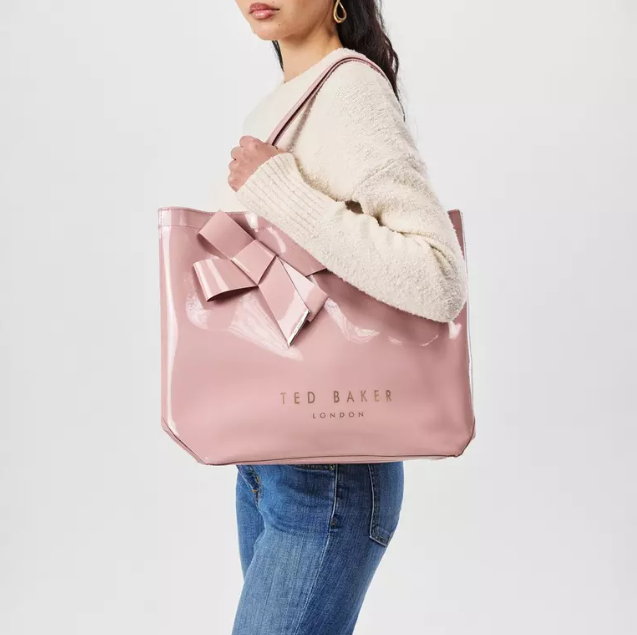
Ted Baker was started by entrepreneur Ray Kelvin, who opened the first store in Glasgow with a clear point of difference. At the time, menswear on the high street leaned safe and predictable. Ted Baker offered shirts that were well made, beautifully cut, and full of subtle personality, patterned linings, unexpected trims, and an attitude that rejected being “just another label.” The company even offered free laundry for shirts early on, which built loyalty and word-of-mouth.
Growth came quickly. By 1990, Ted Baker had expanded into London, with Covent Garden becoming an early flagship location. Womenswear followed in 1995, and from there the brand broadened into footwear, handbags, eyewear, fragrances, and homeware. Through the 2000s and 2010s, Ted Baker became a fixture of premium fashion in the UK, with a presence in department stores and hundreds of stores and concessions worldwide.
What Ted Baker Stands For, Classic Style With a Twist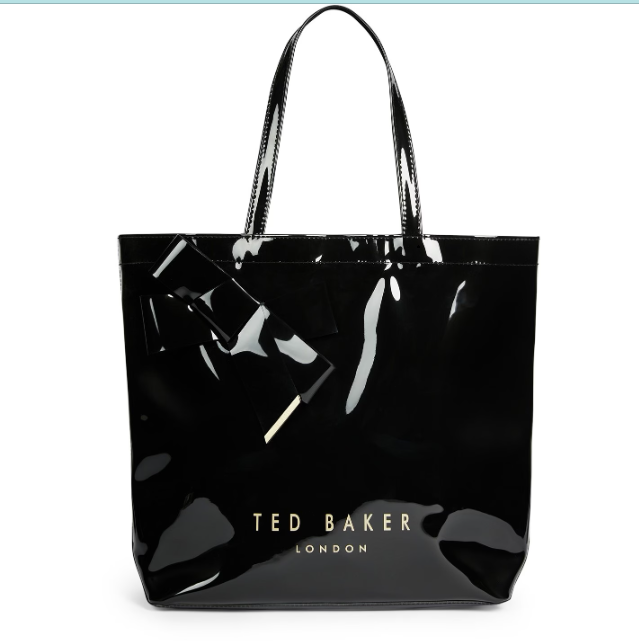
Ted Baker’s appeal has always been rooted in contrast. On one hand, the brand respects classic silhouettes. On the other, it constantly adds small surprises that keep pieces lively.
Signature elements include:
-
Sharp tailoring for men and women, with clean lines and modern fits
-
Floral and graphic prints, especially in womenswear
-
Colour confidence, with jewel tones, soft pastels, and statement brights
-
Hidden details, like patterned interiors, contrasting piping, and witty labels
-
Occasion dressing, particularly dresses that feel refined but expressive
This mix created a loyal customer base. Ted Baker wasn’t trying to be minimal or streetwear-cool. It was polished, but never boring. People bought Ted pieces because they looked flattering and felt fun to wear.
Accessories and Fragrance, The Gateway to the Brand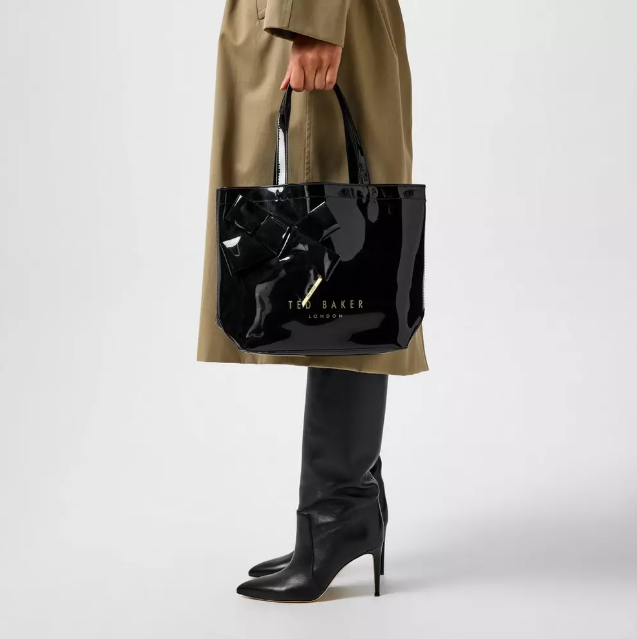
While apparel built Ted Baker’s reputation, accessories helped it scale and reach new shoppers. Handbags became especially central, structured totes, crossbody bags, and bow-accented styles offered a recognisable “Ted” look at a lower price point than clothing. For many customers, a tote bag or wallet was the first purchase that introduced them to the brand.
Fragrance and gifting played a similar role. Ted Baker’s floral gift sets and perfumes were widely stocked in UK retailers and became popular “easy luxury” gifts. This broadened the brand’s appeal beyond pure fashion and helped keep it visible even to people who weren’t regularly buying clothing.
The Difficult Chapter, Ownership Change and Store Closures
Ted Baker faced a rough period in the late 2010s and early 2020s, including leadership controversies and declining sales. In 2022, the brand was acquired by Authentic Brands Group (ABG), which bought its intellectual property and began planning a reset.
The bigger shock came in 2024. The company operating Ted Baker’s UK and Ireland stores, No Ordinary Designer Label Limited, entered administration in March. By August 2024, all remaining 31 UK and Ireland stores were scheduled to close, putting hundreds of jobs at risk and effectively removing Ted Baker from the high street.
This did not mean the brand itself vanished. ABG continued to control the label, and Ted Baker products remained available through online channels and partner retailers. The closures marked the end of a retail model, not the end of the brand.
Life After the High Street, Digital First and Wholesale Led
Ted Baker’s survival strategy is aligned with a wider shift in fashion retail. Rather than owning large store networks, many premium labels are now leaning into e-commerce, controlled brand storytelling, and selective wholesale partnerships.
Ted Baker relaunched its UK website in late 2024, positioning online retail as the main home for the collection. At the same time, stockists and department stores have become key touchpoints for offline shoppers. This approach lowers overheads while still maintaining visibility in premium spaces.
Industry commentary suggests that a successful relaunch depends on updating product relevance while keeping the brand’s personality intact. That means less reliance on overdone archive repeats and more focus on modern fits, materials, and versatile styling.
A Possible Comeback, Physical Retail May Return
Recent reports indicate that Ted Baker is considering a return to bricks-and-mortar via a new London store in early 2026. The idea is not to revive a huge estate, but to re-enter physical retail in a curated, flagship-led way that supports online growth. While still not fully confirmed, multiple retail sources have reported the plan as part of ABG’s wider brand rebuild.
If this happens, it would fit the brand’s new direction, fewer stores, more experience-driven, and anchored in markets where Ted Baker’s identity still carries weight.
Why Ted Baker Still Matters
Even in a reset phase, Ted Baker retains lasting value.
-
A clear, recognisable aesthetic
In a crowded premium market, Ted Baker’s mix of tailoring and playful print is still distinct. -
Strong category anchors
Dresses, accessories, and gifting remain commercially resilient and keep Ted Baker visible to new customers. -
Heritage with room to evolve
The brand has an archive people love, but also enough flexibility to modernise without losing its voice.
Final Take
Ted Baker’s story is a classic British retail arc: a bold start, a huge rise, a sharp fall, and now a careful rebuild. From its Glasgow beginnings to global recognition, the brand earned loyalty by blending quality with personality. The closure of UK and Ireland stores in 2024 was a defining moment, pushing Ted Baker into a digital-first model under Authentic Brands Group.