Ted Baker is one of the most recognisable names to come out of the UK high-street premium fashion boom. For decades, it stood for sharp tailoring, playful prints, and a very specific kind of British confidence, the kind that could pair a classic silhouette with an unexpected floral lining or a cheeky slogan hidden in plain sight. Founded in Glasgow in 1988, Ted Baker began as a menswear shirt specialist before expanding into womenswear, accessories, fragrance, and lifestyle lines that travelled far beyond the UK.
From Glasgow Shirts to Global Label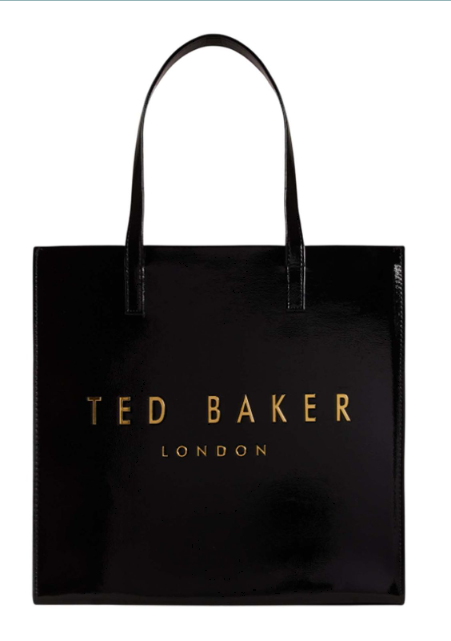
Ted Baker’s origin is refreshingly simple. Ray Kelvin, the brand’s founder, opened the first store in Glasgow with a tight focus on high-quality men’s shirts. The early concept was built on detail and personality. Shirts were well cut, but they also came with a twist, distinctive linings, witty labels, and a “no ordinary designer label” attitude that made them feel special without being showy.
Through the 1990s, Ted Baker expanded into London, then across the UK, and later globally. Womenswear arrived in the mid-90s, followed by footwear, handbags, eyewear, watches, and fragrance. The idea was not to become a loud trend brand, but to build a full wardrobe that carried the same playful precision across categories.
The Ted Baker Aesthetic, Classic With a Wink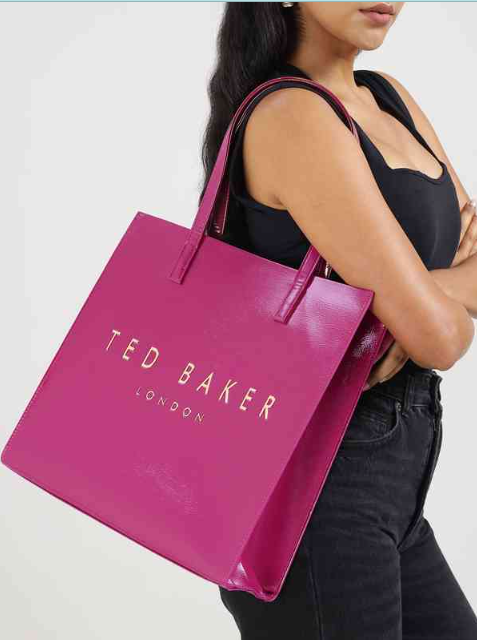
Ted Baker’s look is easy to spot even without the logo. It sits in the sweet spot between refined and expressive.
Key style signatures include
-
tailored outerwear and suiting with modern lines
-
feminine dresses built around bold florals and rich colour palettes
-
accessories that balance structure with charm, especially handbags and totes
-
small design “easter eggs” like contrasting trims, patterned interiors, or subtle wordplay
On the womenswear side, the brand became famous for occasion dresses that felt polished but never dull. On the menswear side, shirts and smart casual pieces kept the spark alive through fine prints, sleek cuts, and thoughtful finishing.
That attention to detail is what gave Ted Baker loyal fans. Pieces often felt like they were made by designers who cared how clothing behaves in real life, not just on runway moodboards.
Accessories, Bags, and the Everyday Luxury Lane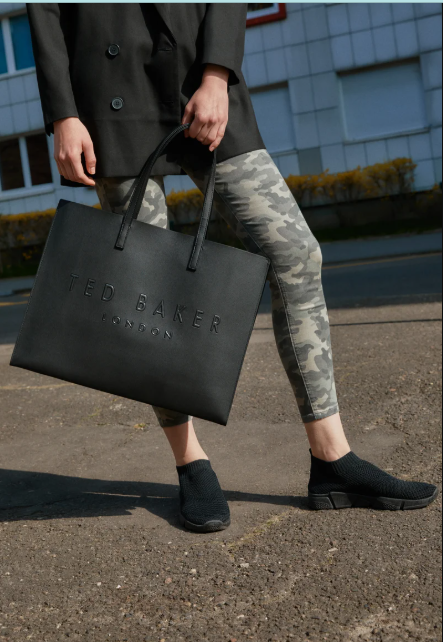
If clothing built Ted Baker’s reputation, accessories helped scale it. Handbags became especially central to the brand’s mainstream identity, with structured totes, crossbody bags, and bow or floral-accented styles acting as “entry products” for new shoppers. Many customers first met Ted Baker through a bag before moving into apparel or fragrance.
Accessories also carried the brand worldwide faster than clothing. Bags, wallets, sunglasses, and watches fit department stores and online retailers easily, making Ted Baker a common premium-gift choice. Its floral gift sets and women’s fragrances reinforced that role, offering a more affordable way into a designer-feel brand.
The Fall, Store Closures, and a Digital Pivot
Ted Baker’s recent chapter is more volatile. The brand faced management crises, reputational challenges, and slowing sales, followed by major shifts in ownership. It was acquired by Authentic Brands Group in 2022, positioning it alongside other revived fashion names.
In 2024, the UK operating company No Ordinary Designer Label entered administration, and Ted Baker closed its remaining 31 UK and Ireland stores. The closures marked the end of the brand’s traditional high-street presence, putting hundreds of jobs at risk and pushing the label into a new era focused on online and wholesale channels.
Rather than disappearing, Ted Baker shifted its centre of gravity. The brand continues through e-commerce and retail partners, maintaining visibility via stockists and international markets. Reports also suggest planning for a physical comeback, potentially starting with a London store in early 2026, though details remain unconfirmed.
Why Ted Baker Still Matters in the UK
Even without its own high-street footprint for now, Ted Baker holds cultural weight for a few reasons.
1) It captured a uniquely British fashion mood
Ted Baker wasn’t minimal Scandinavian cool, nor was it flashy luxury. It was British humour and polish in wearable form. That made it a rare label that felt aspirational yet approachable.
2) It trained customers to expect detail at mid-premium prices
The brand raised the bar for what high-street premium could look like. People came for shape and quality, and stayed for the fun surprises.
3) It still has strong product “anchors”
Even in a rebuilt model, categories like bags, dresses, and fragrance remain recognisable and commercially resilient. That gives Ted Baker a solid base for reinvention.
The Road Ahead, Reinvention Without Losing Personality
Ted Baker’s biggest challenge is also its biggest opportunity. The brand must modernise without flattening the personality that made it loved. In a digital-first marketplace where many labels blur together, Ted Baker’s wit, print confidence, and “designed-for-real-life” tailoring can still stand out.
A likely path forward is
-
smaller, more curated physical retail if it returns
-
heavier reliance on online drops and seasonal capsules
-
stronger partnerships with stockists that align with Ted’s premium-but-playful identity
-
keeping accessories and gifting as high-visibility entry points
If executed well, Ted Baker can become a modern heritage brand, not stuck in nostalgia, but using its archive and voice to stay relevant.
Final Take
Ted Baker is one of the defining UK fashion names of the last 30 years. It rose by doing something simple brilliantly, mixing sharp design with a wink of humour, then expanding that spirit across an entire lifestyle range. Its store closures were a dramatic end to one era, but not the end of the brand itself. With its digital pivot underway and whispers of a high-street return, Ted Baker’s next chapter will be about proving that British personality still sells when paired with good clothes, great bags, and a point of view.