
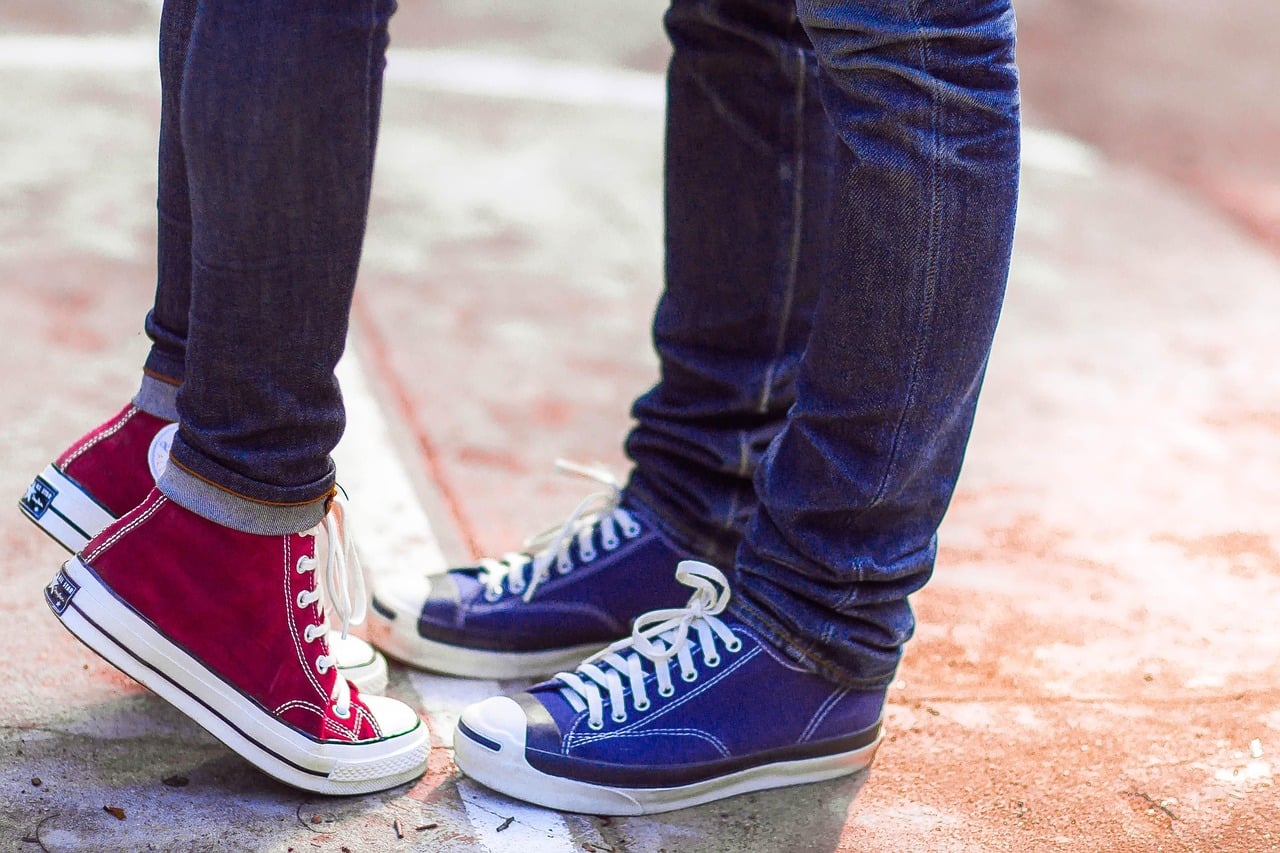
Converse holds a place in culture that few footwear brands ever reach. What started as a straightforward athletic shoe eventually grew into a global symbol of individuality, creativity and everyday style. Its influence now stretches far beyond sneaker culture, anchored by a design that feels both familiar and endlessly adaptable.
A Shift From Sport To Culture

Converse first entered the spotlight through basketball. The Chuck Taylor All Star became a staple on the court, but its cultural breakthrough happened once it left sports behind. As athletes gravitated to new high-tech models, the shoe found new life with musicians, skaters, artists and young people who valued expression more than performance. The unchanged silhouette made the shoe feel genuine, and that authenticity helped it spread across communities that embraced simplicity and personal style.
Adopted By Subcultures That Define Generations
Few pieces of footwear move as naturally between subcultures as Converse. Punk bands wore them on stage because they were inexpensive, tough and easy to replace. Skateboarders valued the grip and flexibility. Artists gravitated toward the minimalist canvas. Students wore them because they matched everything without trying too hard.
These groups shaped the shoe’s identity more than marketing ever could. Instead of being positioned as a status symbol, the Chuck Taylor became a quiet badge of belonging for people who preferred understated authenticity. Its presence across so many creative circles helped cement its timeless cultural role.
A Design That Remains Relevant

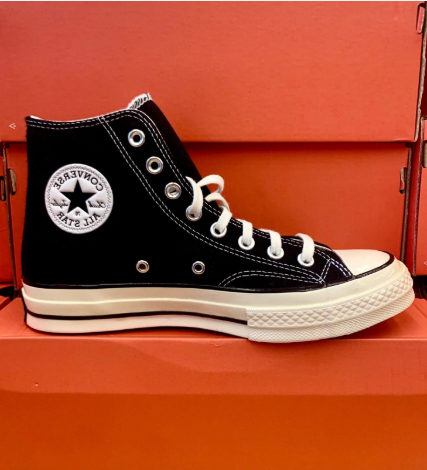
The silhouette of the Chuck Taylor has barely changed in decades. That consistency is part of its appeal. Its canvas upper and rubber sole make it light, uncomplicated and versatile. High tops feel expressive, low tops feel classic and both fit easily into a wide range of aesthetics.
As fashion cycles shift, the shoe remains steady. It resists trends in favor of a familiar look that feels right in almost any setting. This simplicity helps the style resonate generation after generation.
A Natural Canvas For Personal Expression
One of the most defining qualities of Converse is how personal each pair becomes. People draw on them, paint them, distress them or keep them pristine. Brands and designers collaborate on limited editions, but the most meaningful versions are often the ones customized at home.
This ability to transform the shoes into something unique reinforces their place in culture. A pair of Chucks can evolve with the wearer, collecting memories and character along the way. Very few fashion items offer that kind of personal narrative.
A Presence Embedded In Everyday Culture
Converse appears everywhere without needing to be spotlighted. The shoes show up in films, music videos, street-style photos and album covers because they are part of everyday life. Their presence feels organic, not strategic. Generations of cultural figures have worn them, giving the brand continuity across different eras while keeping it relatable.
This kind of visibility strengthens the shoe’s identity as more than a product. It becomes a cultural anchor, recognized instantly and associated with a broad spectrum of lifestyles.
A Symbol Of Effortless Style
What sets Converse apart from traditional sneaker brands is its ability to blend in while still making an impression. People choose the shoes for comfort, nostalgia, affordability or aesthetics. The reasons vary, yet the emotional connection stays intact.
Converse has become an icon not by chasing relevance but by letting people define their own meaning. That openness is what carries it beyond the sneaker scene and into culture at large. It is a staple for anyone who values personal expression without the need for excess.