

Long before “flash sales” and discount apps became normal, Groupon made the idea go mainstream. It turned bargains into a daily habit, taught small businesses how to market through time-limited offers, and helped millions of people try new restaurants, salons, gyms, and weekend getaways at prices that felt too good to be true. While the original daily-deals craze cooled, Groupon didn’t disappear—it changed. In 2024–2025, the company has been reshaping itself into a leaner, more focused marketplace for local experiences, aiming for steady growth and profitability rather than hype-fueled expansion.
TL;DR:
Groupon is a deal-and-discovery marketplace that lets people buy discounted vouchers for local experiences—restaurants, salons, fitness, activities, travel, and services. It started in 2008 as a viral “daily deals” company, exploded globally, then cooled as the hype faded. Today it’s a leaner, more focused platform centered on “Local” offers, helping customers try new things for less and helping small businesses fill empty capacity with targeted promos. The main upside is big savings and easy discovery; the main risk is fine-print rules (booking limits, expiry dates). Used smartly, Groupon is still a solid way to find affordable treats and experiences nearby.
What Groupon Is
Groupon is a publicly traded e-commerce marketplace that connects customers with discounted offers from local businesses. In simple terms:
-
Businesses post deals to attract customers.
-
You buy a voucher at a discount.
-
You redeem it in-store (or online) before it expires.
Groupon operates mainly as a two-sided marketplace:
-
Consumers discover deals on things to do.
-
Merchants use Groupon as a marketing channel to fill seats, appointments, or slow periods.
A Quick History: From “Group Buying” to Global Brand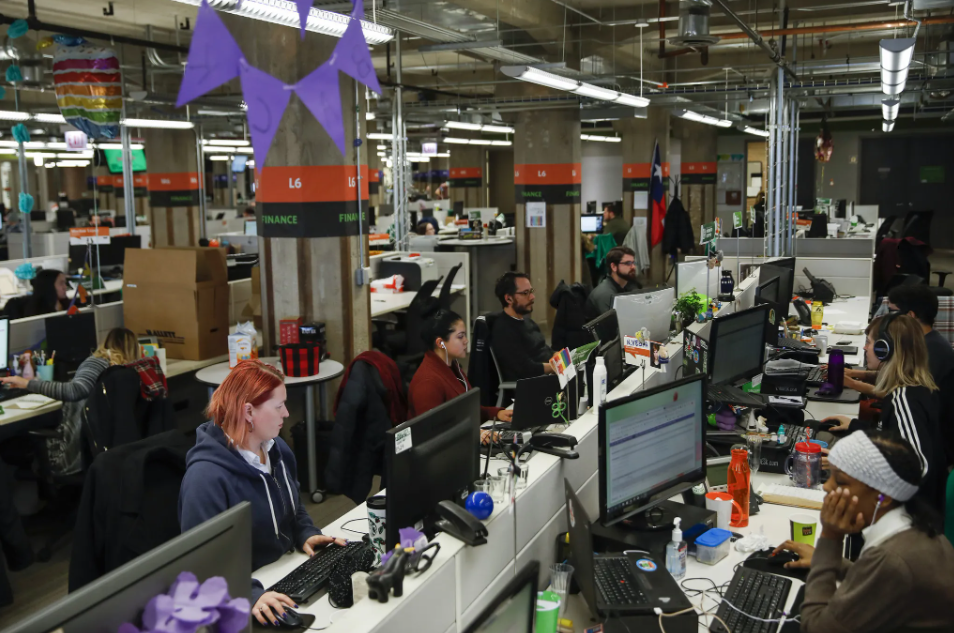
Groupon launched in Chicago in 2008, created by Andrew Mason, with support from Eric Lefkofsky and Brad Keywell. It began as a pivot from an earlier project called The Point, which explored collective action; the “tipping point” idea evolved into collective discounts.
The early model required a minimum number of buyers for a deal to “tip” and activate—hence group-buying. That mechanism helped Groupon spread virally: people shared deals to unlock them.
Groupon grew at startup rocket speed:
-
city-by-city expansion
-
huge daily email lists
-
a cultural moment where checking Groupon felt like checking the weather
Over time, it dropped the tipping requirement and moved toward instant, always-on deals, because buyers wanted convenience more than crowd thresholds.
What Groupon Offers Today
While the catalog shifts by city, Groupon’s strongest categories are “Local” experiences rather than physical goods. Typical deal types include:
-
Food & drink: restaurants, cafes, tasting menus
-
Beauty & wellness: spas, hair, nails, skincare, massage
-
Fitness & health: gyms, yoga, classes, dental/optical offers
-
Home & auto services: cleaning, detailing, repairs
-
Entertainment & activities: events, attractions, family outings
-
Travel & getaways: hotels, short breaks, experiences
The core value is discovering something nearby at a discount you’d rarely see on that business’s own website.
How Groupon Works (in Real Life)
Using Groupon usually looks like this:
-
Search your city or category
-
Read the fine print (valid days, booking rules, expiry, add-ons)
-
Buy the voucher online or in-app
-
Book with the merchant if required
-
Redeem in-store by showing the voucher code
Groupon emphasizes customer protections like the Groupon Promise (refunds when an experience doesn’t match what was advertised), reinforcing that it’s a legitimate marketplace—not a coupon scam.
Why Merchants Use Groupon
For small businesses, Groupon is essentially paid marketing with performance incentives:
-
It fills empty capacity (think weekday salon slots or quiet restaurant hours).
-
It gives exposure to customers who would never find the business otherwise.
-
It can generate repeat customers—if the experience is strong.
Historically, Groupon got criticized for pushing discounts that were too deep for some merchants to sustain. In response, the platform has tried to shift toward more flexible tools and less extreme discounting, letting merchants control offers more actively.
Groupon’s 2024–2025 Comeback Story: Smaller, Focused, Cash-Positive
After years of decline post-boom, Groupon has been in a long rebuild. Its fiscal-year 2024 results (reported March 2025) showed signs of stabilization:
-
North America Local Billings +3% for FY2024
-
Q4 Local Billings +8%
-
Positive operating cash flow and free cash flow for the trailing twelve months
These aren’t hypergrowth numbers, but they signal something important: Groupon is trying to be a healthy local-commerce business again, not a fading relic.
Leadership under CEO Dušan Šenkypl has leaned into a “back-to-local” strategy, focusing on the categories that work best (services/experiences) and improving tech infrastructure after a difficult platform migration.
What People Like (and What They Don’t)
Why users still love Groupon
-
big discounts on things they already want
-
a fun way to discover new spots
-
easy mobile buying
-
frequent promos and seasonal offers
Where frustration happens
-
not reading fine print (booking restrictions, expiry rules)
-
inconsistent merchant quality (some are amazing, some are “meh”)
-
occasional redemption friction if a business isn’t well trained on Groupon policy
Most “bad Groupon stories” trace back to mismatch of expectations rather than the platform being illegitimate—so reading details matters.
Who Groupon Is Best For
Groupon is especially useful if you:
-
like trying new local places without paying full price
-
don’t mind planning around voucher rules
-
want affordable “treat yourself” experiences
-
are traveling and want low-risk ways to explore a city
It’s less ideal if you prefer last-minute spontaneity with no restrictions.
Final Take
Groupon pioneered the daily-deals era, but its real achievement might be surviving it. In 2025, the company is leaner, more local, and more practical, centered on the simple value of helping people do more fun things for less money. It’s no longer a cultural frenzy like 2010—but it doesn’t need to be. If you use it smartly (and read the fine print), Groupon remains one of the easiest ways to turn ordinary weekends into affordable little adventures.