
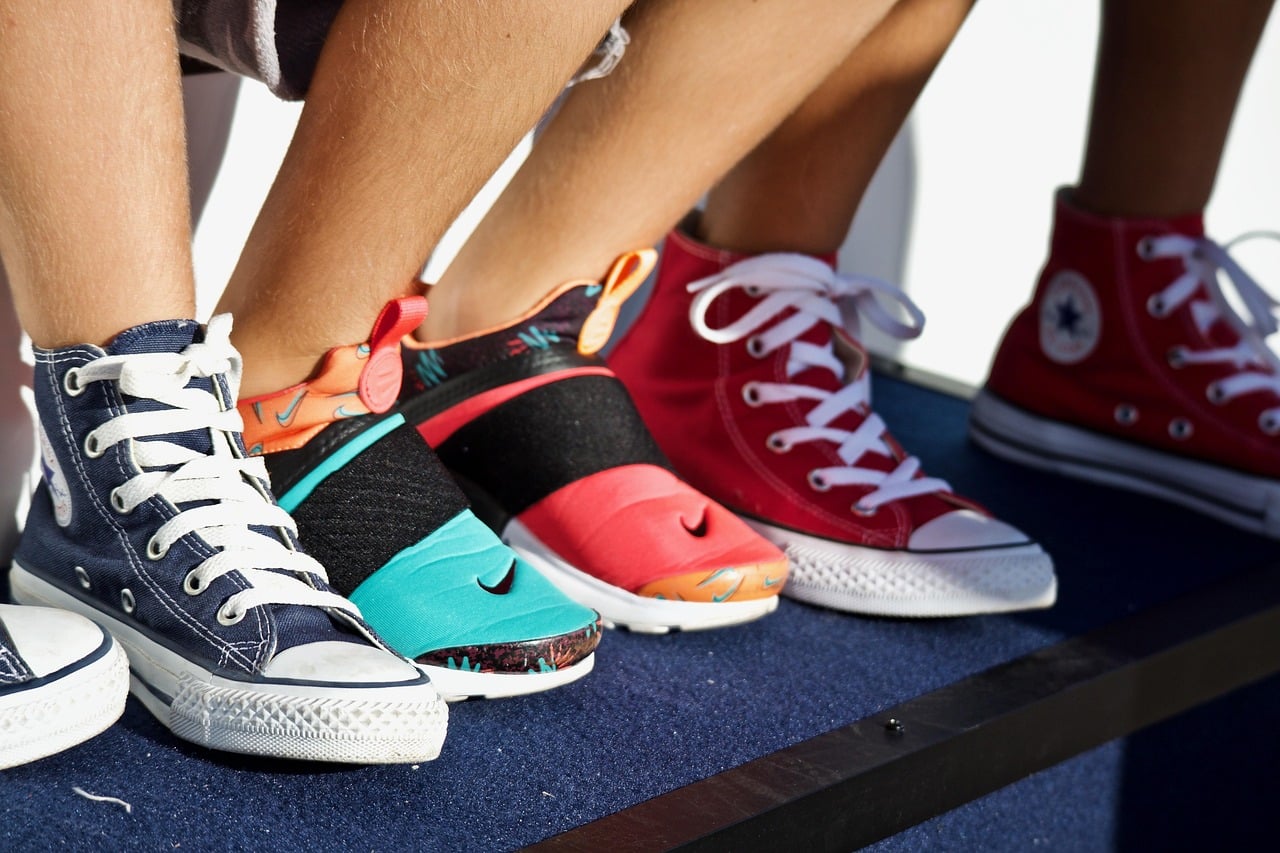
Converse did not set out to become a cultural landmark. Its journey began on the basketball court with a practical canvas sneaker designed for performance. Yet over time the brand found its way into music, fashion and everyday life, becoming one of the most recognizable symbols of personal expression. What makes its rise so unexpected is how naturally it unfolded. Converse evolved from a sports essential to a cultural icon not through reinvention but through consistency, authenticity and a deep connection with the people who wore it.
A Beginning Rooted in Sport

The Chuck Taylor All Star started as a basketball shoe. Its high-top design, rubber sole and lightweight construction made it ideal for athletes of the era. Players appreciated the grip and control it offered, and the shoe quickly became a fixture on courts nationwide. But as technology advanced and performance footwear became more specialized, Converse’s athletic role shifted, making room for a broader cultural impact.
Embraced by Subcultures and Creatives
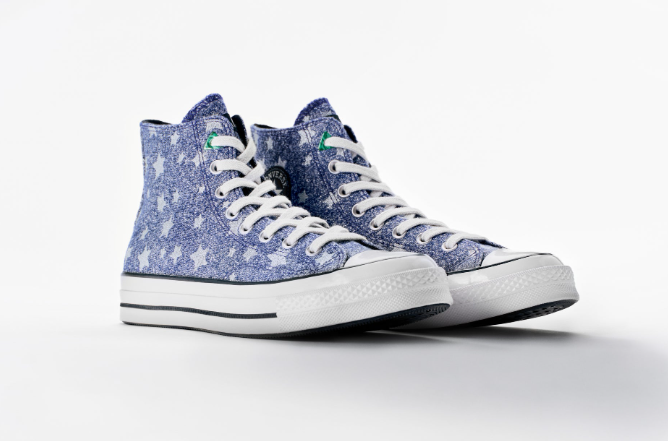
The turning point came when Converse left the court and entered the hands of artists, musicians and alternative communities. Punk bands wore them because they were inexpensive, tough and unpretentious. Skaters liked the flexibility and grip. Teenagers adopted them as part of their everyday uniform, valuing their simplicity and the ease with which they paired with anything in a wardrobe.
These groups didn’t just wear Converse, they gave it new meaning. Through basement shows, city streets, art studios and skate parks, the shoes became a quiet symbol of independence and creative spirit. What made this shift powerful was its authenticity. The brand didn’t force the association. People claimed the shoes as their own.
A Design That Refuses to Age
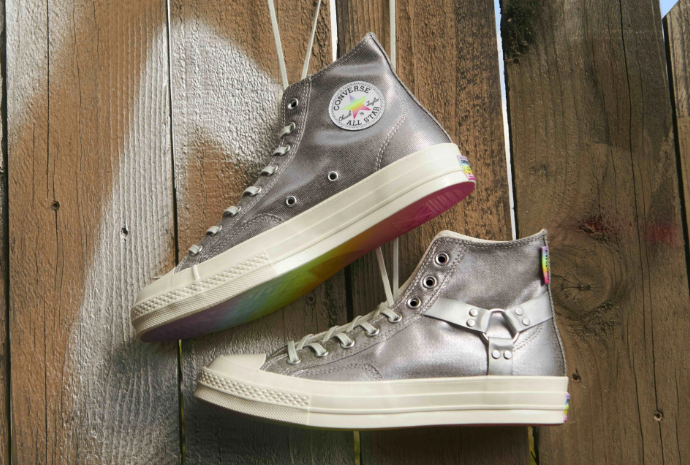
One of the reasons Converse has endured is its timeless silhouette. The canvas upper, rubber toe cap and clean profile are instantly recognizable. The design is flexible enough to integrate into different styles without losing its identity. Whether worn with denim, dresses or tailored pieces, the shoe adds a sense of ease that feels current regardless of the decade.
This simplicity is intentional. Converse has rarely followed seasonal trends, and that consistency has helped it outlast countless fashion cycles. The shoe’s straightforward design is exactly what makes it universal.
A Blank Canvas for Self-Expression
Few pieces of fashion invite personalization the way Converse does. People paint them, write on them, bleach them, cut them or keep them pristine. Every pair eventually reflects the life of the person wearing it. From handmade doodles to high-end collaborations, the shoe is a canvas in the most literal sense.
This adaptability allows Converse to span audiences without losing cohesion. A pair worn at a music festival and a pair worn in a classroom can look entirely different yet feel equally authentic. It is style shaped by the wearer, not the other way around.
An Unforced Presence in Pop Culture
Converse appears regularly in music videos, films and street photography, often without deliberate placement. Its presence feels organic rather than strategic. Characters wear the shoes because they suit their personality. This natural integration reinforces the idea that Converse is part of everyday life, not just a trend or marketing moment.
Seeing the shoes on cultural icons across decades strengthens the connection people feel toward the brand. Converse does not belong to one generation or one scene. It has become a quiet thread woven through many.
Why Converse Continues to Resonate
The unexpected rise of Converse comes from its ability to remain honest in a landscape that often chases novelty. People return to the brand because it represents something familiar, approachable and personal. It is a shoe that carries its history with ease while giving space for new stories.
Converse succeeded not by reinventing itself but by staying true to what made it appealing from the start. It transitioned from courts to culture by being adaptable, genuine and grounded in simplicity. Today it stands as a timeless staple for anyone who values straightforward style and self-expression.