Diesel is one of those rare fashion brands that has stayed culturally loud for nearly five decades. Founded in Italy in 1978, it built its name on premium denim with a rebellious edge—then expanded into a full lifestyle label spanning ready-to-wear, accessories, and collaborations that live at the intersection of streetwear, sex appeal, and irony. Today Diesel sits inside Renzo Rosso’s OTB Group and, after a major revival under creative director Glenn Martens, it’s once again a fashion-week headline brand with deep Gen-Z traction.
TL;DR:
Diesel is an Italian fashion brand founded by Renzo Rosso in 1978, built on rebellious, premium denim and provocative youth-culture marketing. After a slump in the late 2010s, Diesel was revived under creative director Glenn Martens (appointed 2020), who recharged the label with Y2K/club energy, ultra-low-rise silhouettes, bold runway spectacles, and buzzy collaborations.The comeback is real: Gen Z (roughly ages 16–25) now makes up about 36% of Diesel’s sales, and Diesel has returned to being a Milan Fashion Week standout. Diesel sits within Rosso’s OTB Group, alongside brands like Maison Margiela and Marni, and remains defined by one core idea: denim as a loud, playful, alternative lifestyle statement.
1) Origins: Diesel was born as “the alternative fuel”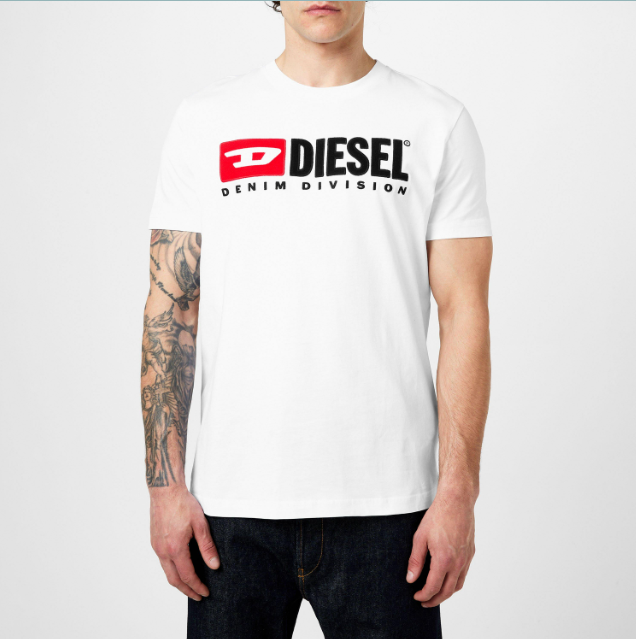
Renzo Rosso founded Diesel in 1978 in Molvena/Breganze, Italy, after buying into the denim maker Moltex and transforming it into a new kind of jeans company. The name “Diesel” was chosen deliberately: during the oil crisis, diesel fuel was seen as an alternative energy source—Rosso wanted his jeans to feel like an alternative to mainstream fashion.
From the start, Diesel wasn’t about quiet luxury. It was about attitude:
-
distressed, washed, treated denim
-
bold branding and campaigns
-
youth culture energy rather than heritage polish
2) The Diesel DNA: Denim mastery + irreverence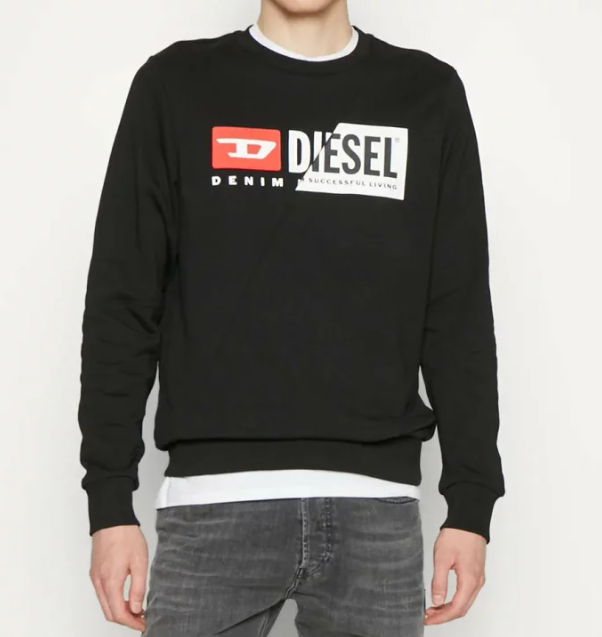
Diesel’s core product has always been premium denim, especially experimental washes and finishes. In the 1990s and 2000s, Diesel jeans became a global status symbol in the same way sneakers do today: you bought them for fit and vibe, but also for what they signaled culturally.
Key style codes Diesel is known for:
-
low-rise and relaxed silhouettes
-
heavy fading, whiskering, tearing, coating
-
gender-fluid styling and provocative advertising
-
ironic, sometimes satirical world-view (Diesel ads were famous for this)
Diesel’s broader clothing lines kept that same tension: “luxury” finishing meets messy, clubby, street-energy design.
3) Growth into a global lifestyle brand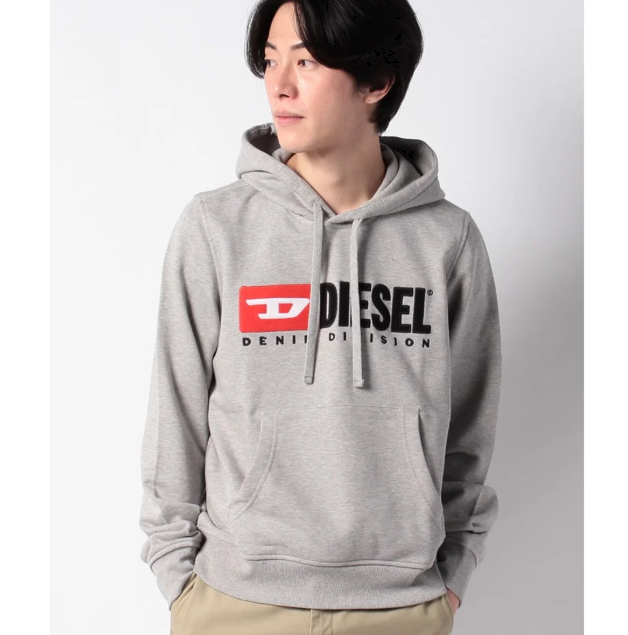
Diesel expanded far beyond jeans over time, becoming what it describes as an “international lifestyle company.”
Today its universe includes:
-
men’s and women’s ready-to-wear
-
footwear, bags, small leather goods
-
eyewear, watches, fragrances
-
constant collaborations that stretch Diesel into art, music, nightlife, and pop culture
4) The slump years—and why Diesel needed a reset
By the late 2010s, Diesel faced a problem common to many “cool” heritage brands:
-
fast fashion copied its denim looks cheaply
-
luxury streetwear out-hyped it
-
the brand identity felt fuzzy to younger consumers
Diesel USA even filed for Chapter 11 bankruptcy protection in 2019 (a U.S. operating issue, not the parent company), signaling that the old retail model was breaking.
5) Glenn Martens and the Gen-Z Revival
A major turning point came when Belgian designer Glenn Martens was appointed Diesel’s creative director in 2020.
Martens brought:
-
raw Y2K/club energy
-
exaggerated low-rise denim
-
playful sexual provocation
-
technical textile experiments
-
runway shows that felt like immersive youth culture events
The results were real and measurable:
-
OTB reported Diesel sales grew 13% in 2023 while many brands struggled.
-
Gen-Z became central to Diesel’s customer base—around one-third of sales now come from younger buyers, per 2025 reporting.
Diesel basically re-captured what it originally owned: youth rebellion in denim form, updated for a TikTok era.
6) Fashion-week Diesel: spectacle with a point
Diesel runway shows under Martens became cultural moments. At Milan Fashion Week in February 2025, Diesel staged a graffiti-covered “zombie apocalypse” show for Fall/Winter 2025–26: ultra-mini skirts, ultra-low jeans, illusion fabrics, and irreverent sex-charged styling.
These shows aren’t random shock tactics. They’re Diesel’s way of saying:
fashion should be fun, a little dirty, and socially alive again.
7) Where Diesel sits in the luxury landscape
Diesel is part of OTB Group (Only The Brave), the holding company founded by Renzo Rosso that also owns brands like Maison Margiela, Jil Sander, and Marni.
This matters because OTB gives Diesel:
-
industrial scale for denim innovation
-
global retail infrastructure
-
creative cross-pollination with high fashion houses
Diesel occupies a unique lane inside this portfolio: premium street-luxury denim with irreverent attitude.
8) Sustainability and the reality of denim
Denim is one of fashion’s most resource-intensive categories (water, chemicals, energy). Diesel has publicly leaned into better practices like recycled cotton, lower-impact washes, and circular capsule drops, but like most denim giants, it’s still on a long road to fully low-impact production. (Public sustainability commitments are evolving, and outcomes vary by product line.)
A fair way to read Diesel’s position:
-
clear movement toward better materials and processes
-
but still constrained by the environmental weight of mass denim manufacture.
9) Diesel in 2025: a brand in its strongest era in years
As of late 2025, Diesel is:
-
culturally hot again
-
financially healthier than in its slump period
-
deeply aligned with Gen-Z tastes
-
still anchored by denim but expanding through accessories and collaborations
There’s also an interesting leadership subplot: Martens was named creative director of Maison Margiela in 2024–2025 while remaining at Diesel, showing how central his Diesel success has become to OTB’s creative future.
Final Take
Diesel’s story is the story of a brand that never wanted to be polite. It was born as the alternative fuel of denim, became a 90s/2000s icon, lost cultural sharpness for a while, and then roared back by remembering what made it special: provocative youth energy, fearless denim design, and a willingness to be messy in a world of overly curated luxury.