
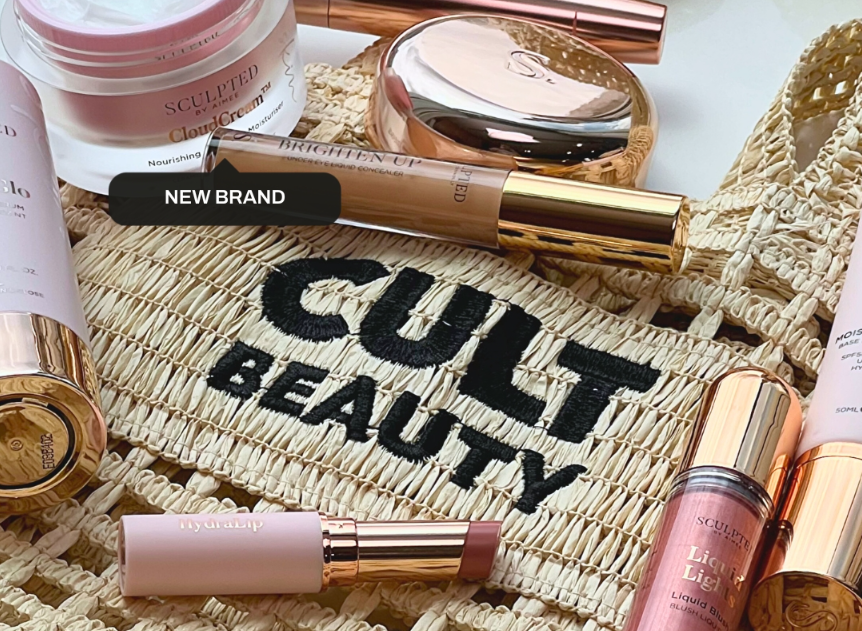
Cult Beauty didn’t rise because it shouted louder than the competition. It rose because it whispered smarter. In a world where every brand claims to be “the next big thing,” it built an empire around quiet authority, ingredient truth, and razor-sharp curation. It didn’t need glittering billboards or influencer armies just products that worked and people who noticed.
TL;DR
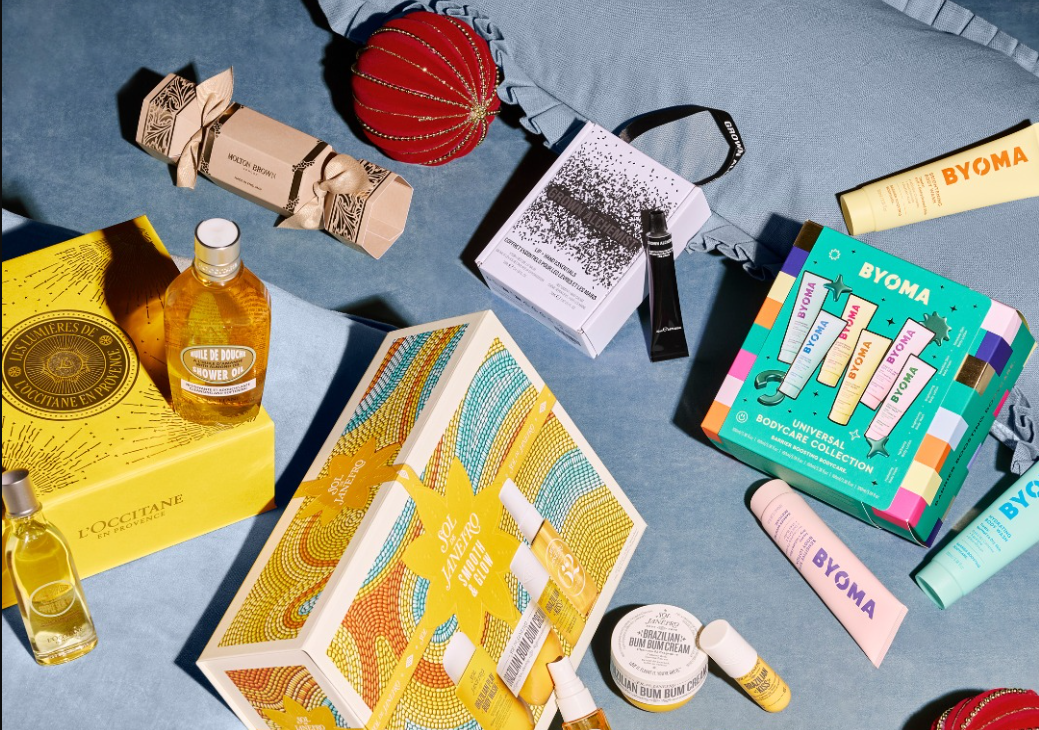
Cult Beauty isn’t a typical beauty retailer; it’s a cultural filter. It turned shopping into education, curation into credibility, and self-care into something intelligent.
When Beauty Burned Out on the Hype
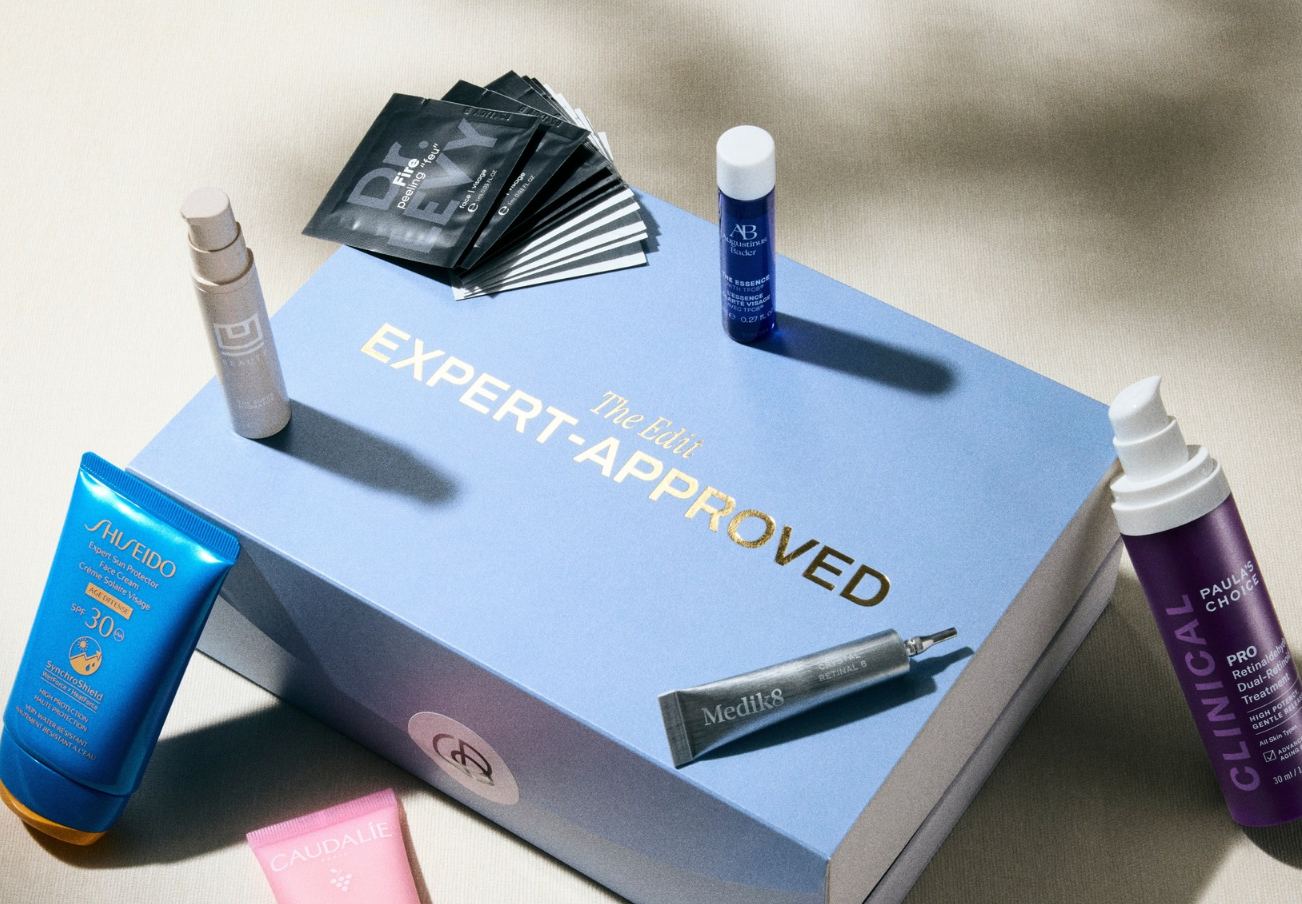
The late 2000s beauty space was drowning in “miracle” claims. Serums promised new skin overnight, mascaras promised transformation, and everyone promised to “change your life.” It was exhausting. Then came Cult Beauty, cutting through the chaos like a sharp editorial headline.
Two insiders bored of the noise asked the obvious question: What if we only sold the stuff that actually worked? No empty promises, no overproduced campaigns. Just formulas that deliver and a community that gets it.
That mindset felt revolutionary. Suddenly, beauty retail had discernment. Products didn’t just look good; they had to earn their spot. And just like that, the idea of “cult” shifted from viral to verified.
What It Really Sells
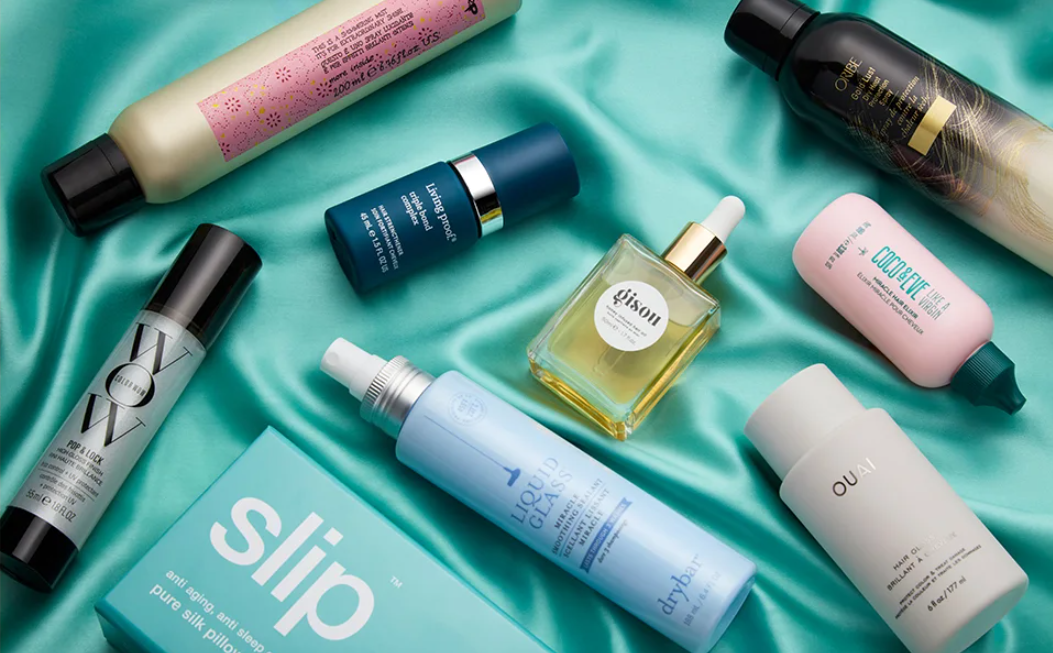
Sure, Cult Beauty sells products skincare, makeup, fragrance, hair, wellness but that’s not its currency. Its real trade is trust. The platform turned consumer skepticism into curiosity, giving people power through knowledge.
Each product page reads like an editor’s note, not a press release. The site’s voice clean, precise, a little knowing guides you through the why, not just the what. It’s beauty retail stripped of performance, leaving only substance.
That’s why a moisturizer on Cult Beauty doesn’t feel like a purchase; it feels like a decision you actually thought through.
What Makes the Brand a Benchmark
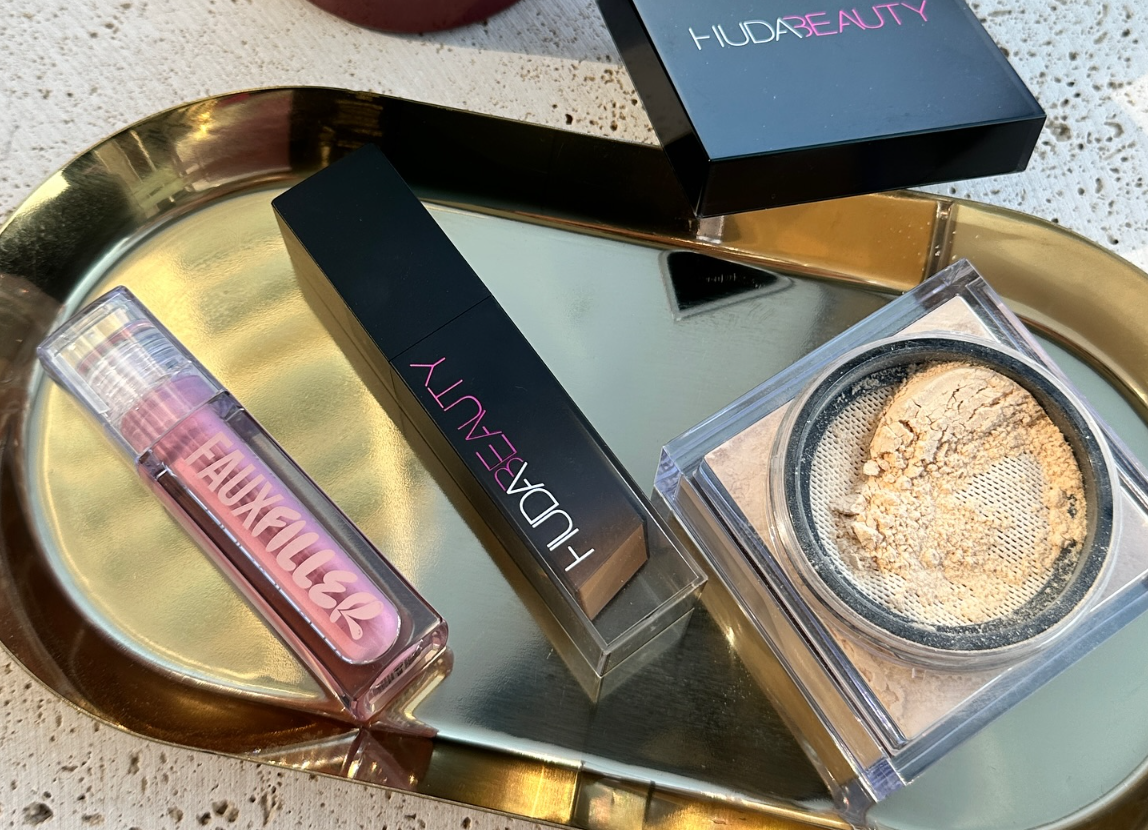
Here’s the only part that deserves bullet points because this is where Cult Beauty’s ethos becomes architecture:
- It curates like an editor, not a merchant.
- It doesn’t chase trends; it defines longevity.
- Each new brand is vetted for results, ethics, and relevance.
- Ingredient transparency isn’t a feature, it’s policy.
- The design, tone, and content all speak the same language: intelligence.
Everything feels intentional, which is exactly why it stands out in an industry obsessed with noise.
The Power of Not Trying Too Hard
Cult Beauty’s restraint is its rebellion. Where others oversell, it under-states and wins. It lets quality speak. A subtle product lineup, no sensory overload, no fake urgency. The beauty world noticed because it felt refreshingly grown-up.
That quiet confidence built loyalty without loyalty programs. Consumers came back because they trusted the curation. Brands wanted in because being listed meant credibility. And editors quoted it because it felt like the industry’s unofficial compass.
Cult Beauty made restraint aspirational. It taught shoppers that sophistication could look like saying less and meaning it.
The Brand as a Mirror of Modern Consumers
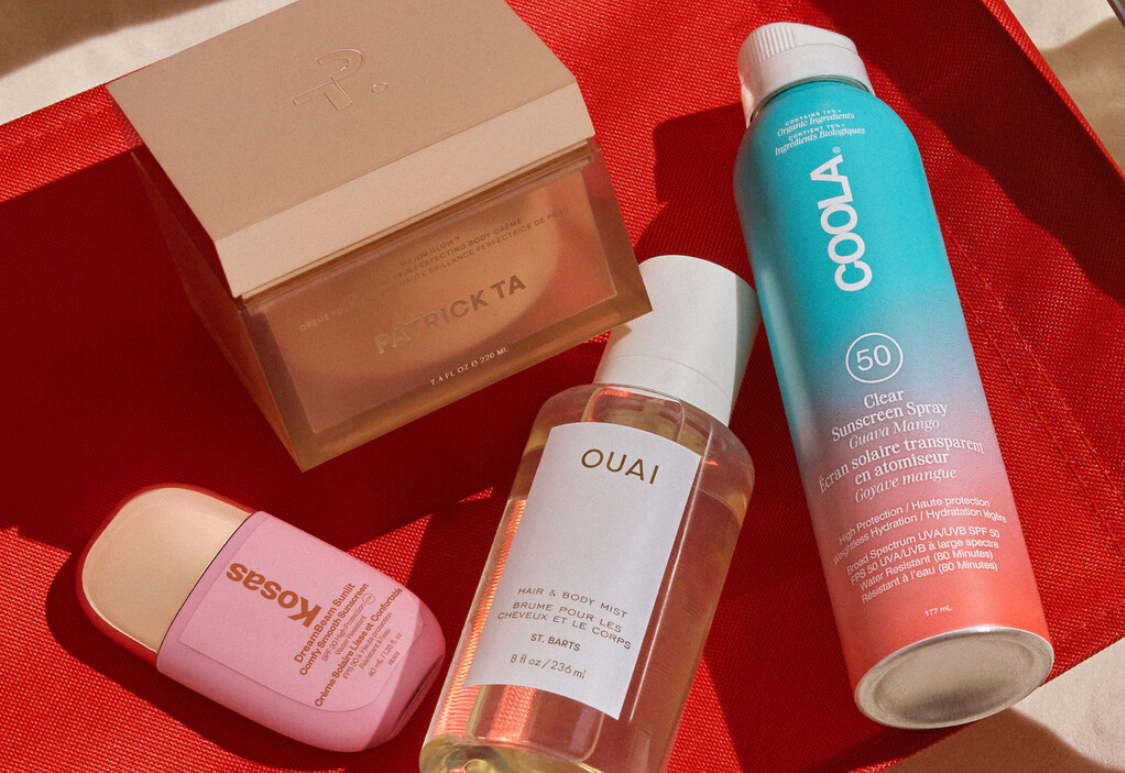
Cult Beauty’s success isn’t luck; it’s empathy. It understood the modern shopper before anyone else did. Today’s consumers are multitasking perfectionists they want clean formulas, ethical sourcing, transparency, inclusivity, and products that work. Cult Beauty didn’t bend to meet that demand; it helped create it.
Its curation reflects real life. Products that slot into busy routines. Ranges that match real skin tones. Messaging that feels like it’s written by a human who actually uses toner. The voice is sleek, yes, but never cold.
It’s beauty for people who have outgrown the noise and want a brand that respects their intelligence.
How It Quietly Shifted the Industry
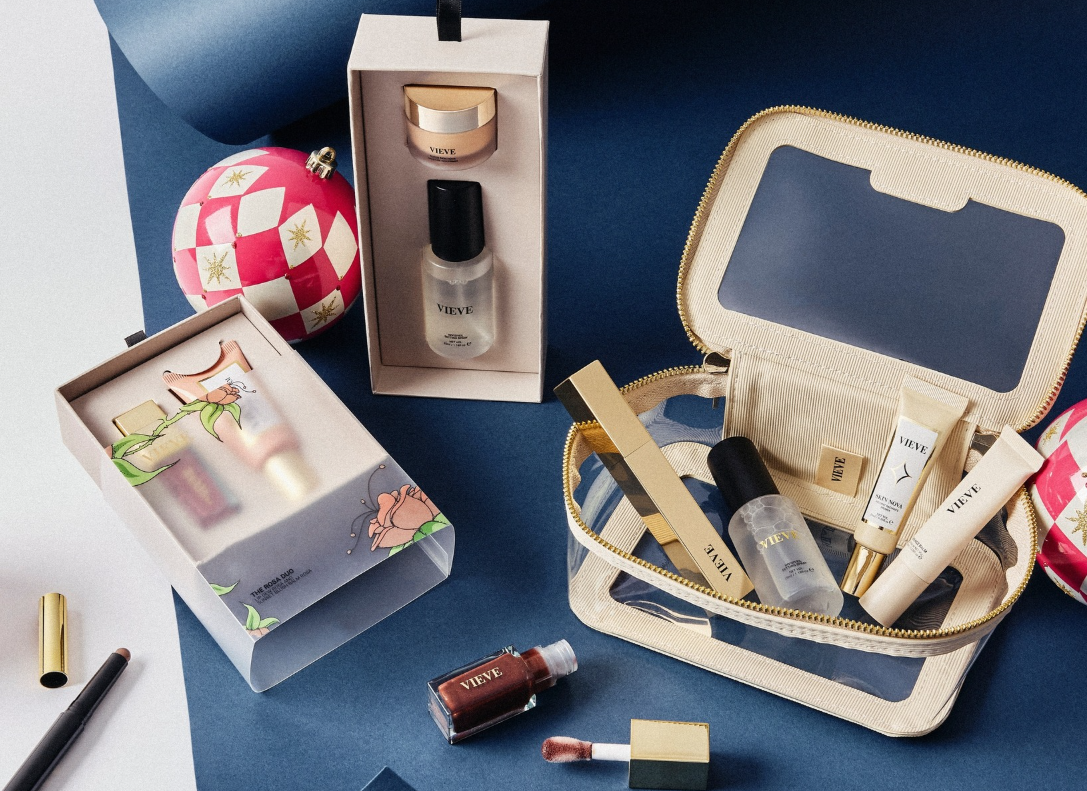
Cult Beauty’s ripple effect goes beyond its storefront. It set a new benchmark for online retail design, brand partnerships, and the way transparency is packaged. Before it, ingredient lists were fine print; now, they’re front and center. Before it, “editor’s picks” were gimmicks; now, they’re currency.
It changed how indie brands break through. A small skincare startup can sell out overnight after being featured because the Cult Beauty stamp still means something. It tells customers, “we’ve tested this, it’s worth your time.” That kind of trust can’t be bought only earned.
And while others have tried to mimic its formula, they miss the point. It’s not about minimal design or luxury language; it’s about consistency and taste. You can’t fake those.
The Emotion Behind the Edit
What’s most surprising about Cult Beauty isn’t its precision, it’s its warmth. Despite its polished aesthetic, the brand feels deeply human. Its tone is conversational, empathetic, and quietly confident. It never dictates what beauty should look like; it asks what it means to you.
That emotional intelligence gives it depth. It’s not aspirational in the old sense of perfection, it’s aspirational in how it makes you feel informed, capable, and seen. It’s a brand that doesn’t just sell confidence; it transfers it.
Cult Beauty understands that the real luxury isn’t exclusivity, it’s understanding.
Why the Word “Cult” Still Fits
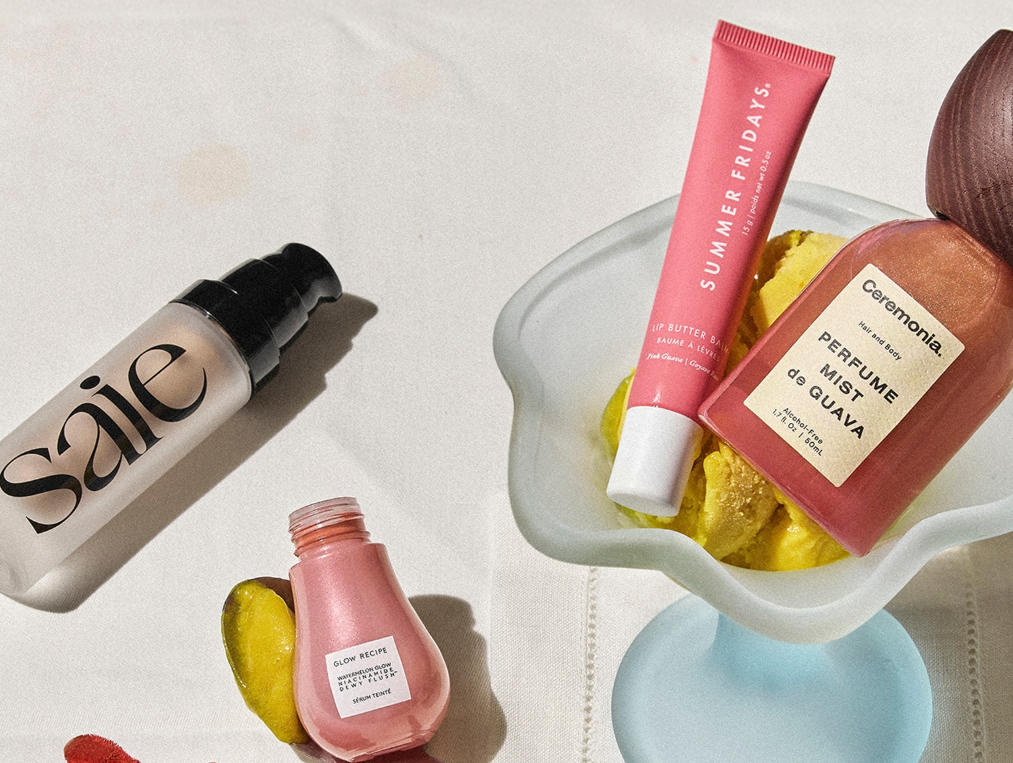
In an age when everything claims to be “cult,” the word has lost its edge except here. Cult Beauty lives up to it because it’s not about popularity; it’s about credibility. Its following isn’t blind hype; it’s earned devotion.
The brand’s definition of cult is built on taste, not trend. It’s the rare example of a retailer that’s become part of beauty’s cultural fabric shaping conversations, setting standards, and reminding the industry that intelligence sells.
Cult Beauty isn’t a brand you outgrow; it’s one you grow with. It taught the beauty world how to slow down, think critically, and crave meaning over marketing. In a landscape of overexposed launches and instant trends, it stays timeless by being honest. It’s not chasing followers, it’s building a philosophy one that proves good taste doesn’t age.
For a brand built on restraint, its impact has been anything but quiet.