
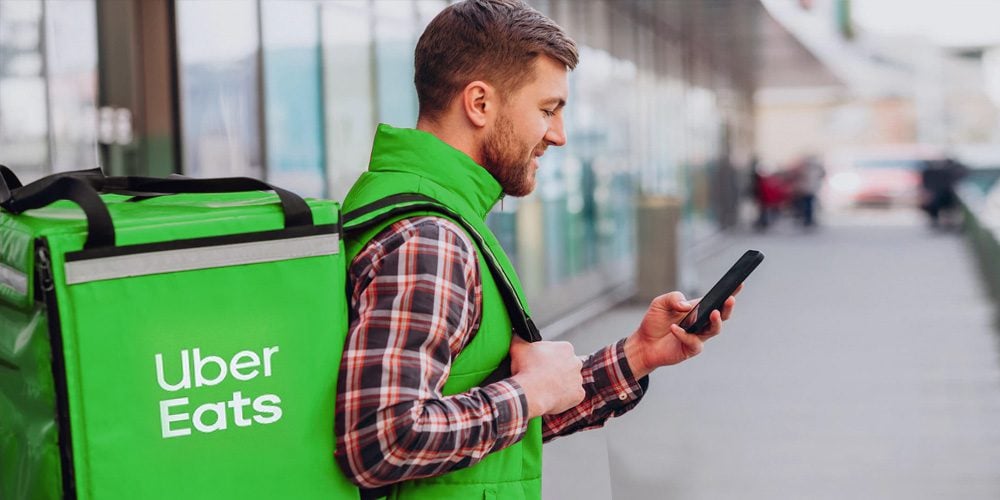
Modern dining has evolved into a world where quick ordering, smart recommendations and effortless moments carry real value. A brand exploring this shift can highlight how Uber Eats quietly influenced the habits that now define food delivery culture. The changes did not arrive through loud disruption, they unfolded through subtle improvements that made life easier for anyone who wanted meals at their doorstep without complication. This article looks at how that influence grew, why it feels so natural and how the platform helped reshape what people expect from at home dining.
Consumers today gravitate toward convenience that feels intuitive rather than intrusive. While many services chased attention with bold claims, Uber Eats earned trust through thoughtful updates and reliable performance. Its growth aligned with changing lifestyles where people wanted faster choices, better navigation and more access to neighbourhood kitchens. This alignment helped food delivery culture expand from a niche habit into an everyday ritual embraced by households everywhere.
TLDR
Uber Eats became a central force in food delivery culture by blending ease, discovery and dependable logistics into a seamless experience. It strengthened restaurant visibility, simplified ordering routines and supported the rise of at home dining as a preferred choice for many. Its influence grew quietly because it focused on consistency, clarity and convenience rather than noise.
A Subtle Rise to Cultural Influence
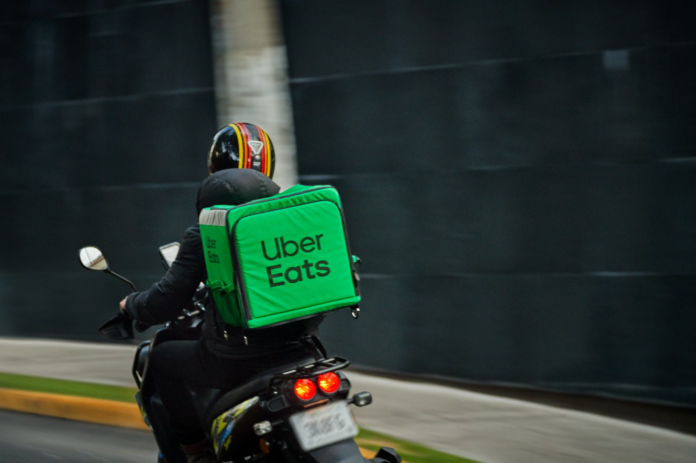
The rise of Uber Eats did not come from sudden shocks, it came from simple refinements that made ordering smoother with every tap. People did not need instructions or long explanations to use it, they only needed a craving. Over time those micro interactions formed a habit that felt surprisingly natural. By meeting consumer needs without fanfare, the brand became a quiet driver of food delivery culture, shaping expectations through effortlessness rather than pressure.
Uber Eats focused on understanding everyday decision making, like how quickly someone wants to choose a meal or how reassuring it feels to see a driver approaching on a map. These design choices made the service a dependable companion. Its influence became embedded in the way people eat at home, how they plan their evenings and how they explore their neighbourhood’s culinary identity.
The Technology Behind the Convenience
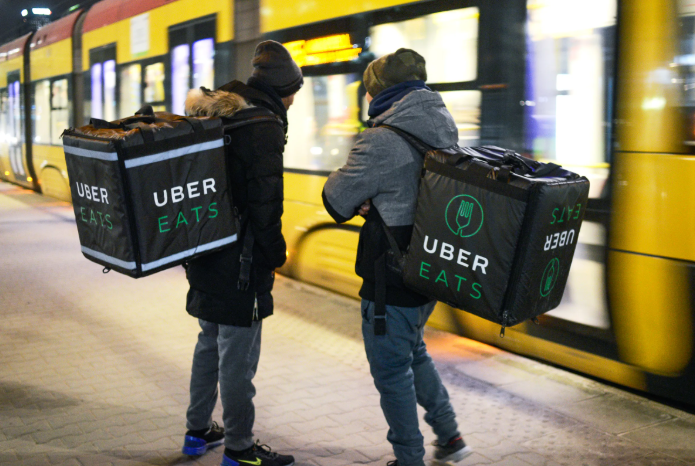
The steady rise of food delivery culture owes much to innovations that reduced friction. Uber Eats excelled at creating an environment where everything works in the background. From real time tracking to smart predictions based on previous orders, each feature aimed to minimise effort. Payment steps felt lighter, navigation felt intuitive and order management required almost no thought.
These refinements created a sense of control. Users could trust that their food would arrive reliably, and that trust encouraged repeat use. When technology becomes practically invisible, it signals that design is doing its job well. That invisibility played a key role in helping Uber Eats reinforce its position as a quiet engine powering modern food delivery culture.
Partnerships That Reshaped Local Dining
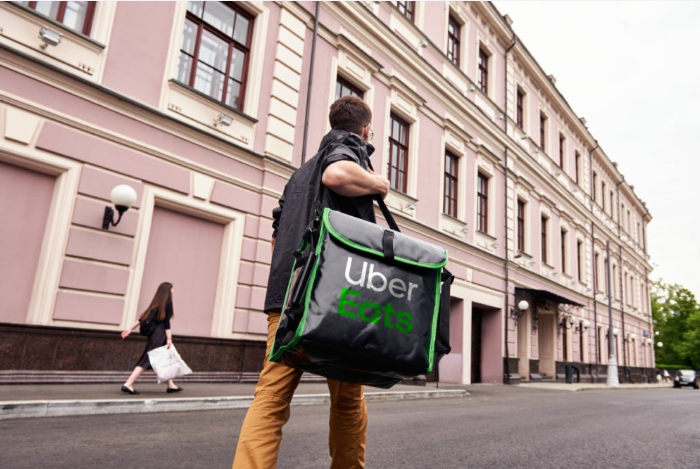
One of the most significant shifts happened behind the scenes. By partnering with a wide range of restaurants, Uber Eats helped level the playing field for small eateries that once struggled to reach larger audiences. A family owned kitchen could appear right beside a well known restaurant, giving diners more choices and creating new possibilities for discovery.
This visibility reshaped local food scenes. Small businesses found consistent revenue at times when foot traffic might be slow. Diners explored cuisines they otherwise might not have encountered. This collaborative approach helped create a more vibrant and diverse culinary landscape within food delivery culture.
Why At Home Dining Became a Lifestyle
Dining at home transformed from an occasional convenience into a meaningful lifestyle choice. People found joy in exploring new meals, hosting relaxed gatherings or simply unwinding at the end of the day with reliable delivery. Uber Eats played an important part by making ordering fast and stress free. When moments feel effortless, they become part of daily rhythms.
This lifestyle shift expanded the definition of comfort food. It became less about traditional dishes and more about easy access to whatever fits a moment. That variety encouraged exploration and created a deeper connection between consumers and their local food communities.
A Single Bullet Point Section of Core Benefits
Below is the required section of one sentence bullet points capturing key benefits in a concise, scannable format.
-
It offers an intuitive ordering flow that saves time with minimal effort.
-
It supports local restaurants by increasing visibility and customer reach.
-
It provides real time delivery tracking that helps users feel informed.
-
It encourages discovery through personalised recommendations.
-
It simplifies payments with smooth checkout options.
-
It integrates seamlessly into daily dining routines.
The Role of Design in User Loyalty
Design choices played a major role in making Uber Eats feel natural. Clear visuals, simple menus and easy pathways reduced decision fatigue. Users could focus on what they wanted rather than how to navigate the platform. This simplicity encouraged loyalty because it eliminated the friction consumers often feel with less intuitive services.
These choices helped create an emotional connection. People placed trust in the platform because it delivered consistent results without adding stress. Over time that connection strengthened and reinforced the brand’s understated influence within food delivery culture.
A Quiet Force With Lasting Impact
The impact of Uber Eats continues to grow because it aligns with modern expectations. People want convenience that feels thoughtful, not overwhelming. They want options that feel personal, not generic. They want reliability without complexity. By meeting these expectations quietly, the brand shaped how food delivery culture operates today.
Small improvements multiplied into meaningful change. Restaurants gained visibility, consumers gained options and communities gained new ways to interact with local food. Uber Eats became the quiet engine behind this movement, proving that powerful influence does not always need noise.