

In a fashion landscape packed with loud logos and fast trends, Falconeri has become a go-to name for people who want the opposite: soft, minimalist knitwear that feels luxurious without screaming for attention. Known especially for high-quality cashmere, Falconeri mixes Italian craftsmanship with a tightly controlled supply chain that starts in Mongolia and ends in sleek boutiques worldwide. The result is a brand that sits squarely in today’s “quiet luxury” wave—timeless basics, premium fibers, and a price point that’s more accessible than many heritage cashmere houses.
TL;DR:
Falconeri is an Italian knitwear brand owned by Oniverse (ex-Calzedonia Group), best known for quiet-luxury cashmere and fine natural-fiber essentials for women and men. It markets a tightly controlled “from Mongolia to Italy” supply chain—sourcing raw cashmere from Mongolian herders, then spinning and manufacturing in Italy—so it can offer premium softness and craftsmanship at a more accessible “bridge-luxury” price. Style-wise it’s minimalist, neutral, and timeless, with year-round cashmere and blends like cashmere-silk. The brand highlights sustainability memberships (e.g., SFA/CCMI), though some independent watchdogs say transparency and measurable impact could be stronger.
What Falconeri Is
Falconeri is an Italian knitwear and apparel brand specializing in fine natural fibres, with cashmere as its signature material. The brand is owned by Oniverse (formerly Calzedonia Group), which acquired Falconeri in 2009 and built it into one of the group’s premium lifestyle labels.
Oniverse operates thousands of single-brand stores globally across its portfolio, and Falconeri has grown within that ecosystem into a distinct “elevated essentials” brand aimed at both women and men.
The Falconeri Philosophy: “From Mongolia to Your Wardrobe”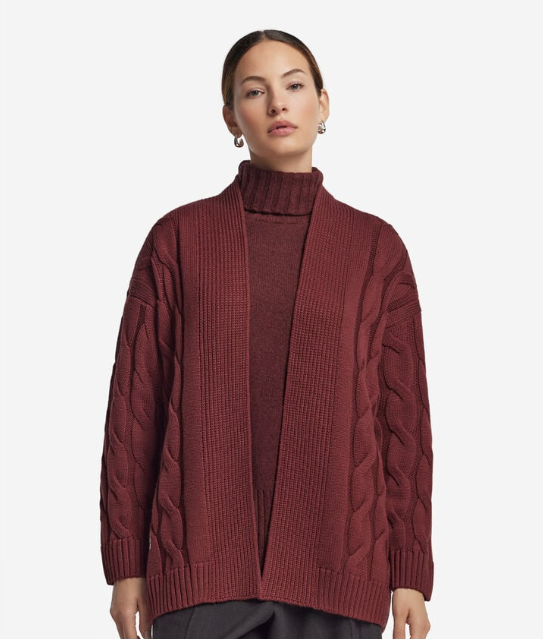
Falconeri’s identity rests on vertical control of its cashmere journey. The brand repeatedly emphasizes a direct, no-middlemen supply chain: it sources raw cashmere from Mongolian herders, then spins, designs, and manufactures garments in Italy.
Why this matters:
-
Quality control is tighter when sourcing and processing are closely managed.
-
Price stays lower because fewer intermediaries take a cut.
-
The brand can tell a clearer traceability story, which is increasingly important for modern luxury shoppers.
It’s not just marketing; it’s the business model that enables Falconeri’s “affordable excellence” niche.
What Falconeri Is Known For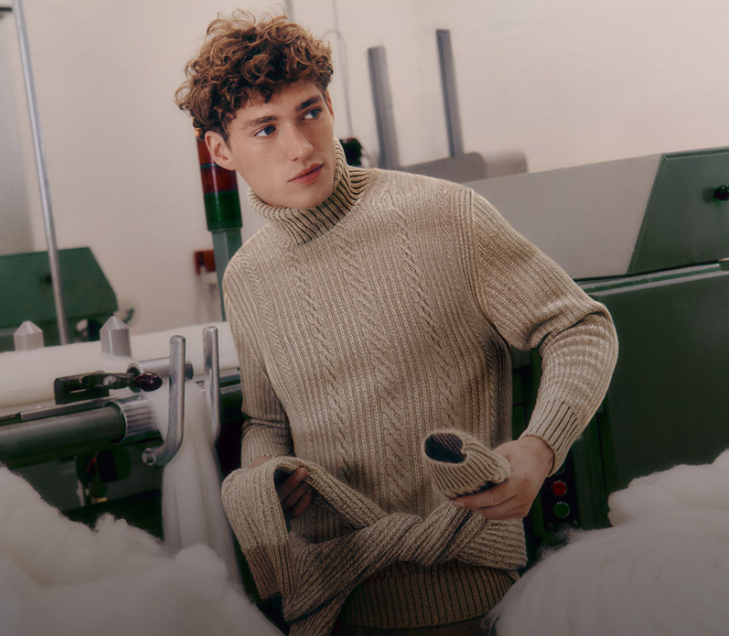
1) Cashmere Knitwear as the Hero Category
Falconeri’s core runway is everyday knitwear:
-
crewnecks and V-necks
-
turtlenecks and roll-necks
-
cardigans and zip knits
-
knit jackets and coats
-
scarves and accessories
The brand highlights multiple premium cashmere finishes, often marketed as exceptionally soft and lightweight while still warm.
2) Seasonless Cashmere Blends
Falconeri isn’t only for winter. It leans on blends such as cashmere-silk and lighter yarn weights to keep cashmere wearable in spring/summer with softer drape and breathability.
3) Minimalist Italian Styling
The design code is simple and deliberate:
-
neutral palettes
-
clean silhouettes
-
subtle tailoring
-
emphasis on fit and fabric over decoration
That’s why Falconeri fits so neatly into “old money / quiet luxury” wardrobes: the pieces look expensive because the materials and cut are doing the talking.
Growth and Brand Momentum (2024–2025)
Falconeri has increased visibility in recent years while staying true to understated aesthetics. Its campaigns have leaned into nature and fiber-origin storytelling—showing wide landscapes and soft textures rather than high-gloss fetishism.
The brand’s momentum also benefits from a broader shift in consumer taste: more people are prioritizing quality, longevity, and comfort over logo trends. Falconeri’s core product—excellent knits that don’t go out of style—naturally meets that demand.
Sustainability and Traceability: What Falconeri Claims (and What Others Say)
Falconeri positions its cashmere as responsibly sourced and highlights membership in sustainability-focused industry organizations, including:
-
Sustainable Fibre Alliance (SFA), which works to improve environmental impact and animal welfare in Mongolia.
-
Cashmere & Camel Hair Manufacturers Institute (CCMI), which promotes quality and applied standards in animal-fiber manufacturing.
These affiliations support Falconeri’s narrative of protecting herder communities, animal welfare, and environmental conditions across the supply chain.
Independent view: The watchdog platform Good On You rates Falconeri’s environmental performance as weaker than leading ethical brands, signaling that while intent and memberships matter, the brand could provide clearer measurable impact and stronger circularity commitments.
So a fair takeaway is:
-
Falconeri shows real participation and traceability intent,
-
but independent evaluators want more proof of outcomes.
Price Positioning: Luxury Without the Luxury Tax
Falconeri sits between high-street knitwear and heritage cashmere labels. It doesn’t compete on being the cheapest; it competes on being the most accessible way into premium Italian cashmere.
That “bridge luxury” positioning is the reason Falconeri has become a wardrobe upgrade brand: buyers get a noticeable step up in fiber feel and construction without paying top-tier fashion-house prices.
Who Falconeri Is Best For
Falconeri is a strong fit if you want:
-
quiet-luxury staples you can wear for years
-
soft cashmere at a realistic premium, not ultra-luxury pricing
-
minimalist Italian pieces that layer well
-
a neutral wardrobe foundation that doesn’t date quickly
It’s less ideal for shoppers chasing bold logos, streetwear silhouettes, or high-trend seasonal fashion.
Final Thoughts
Falconeri’s success comes from a focused equation: premium Mongolian cashmere + Italian manufacturing + controlled supply chain + understated design. It’s not trying to be a hype brand. It’s trying to be the sweater you reach for ten winters in a row—and still feel good about buying.