
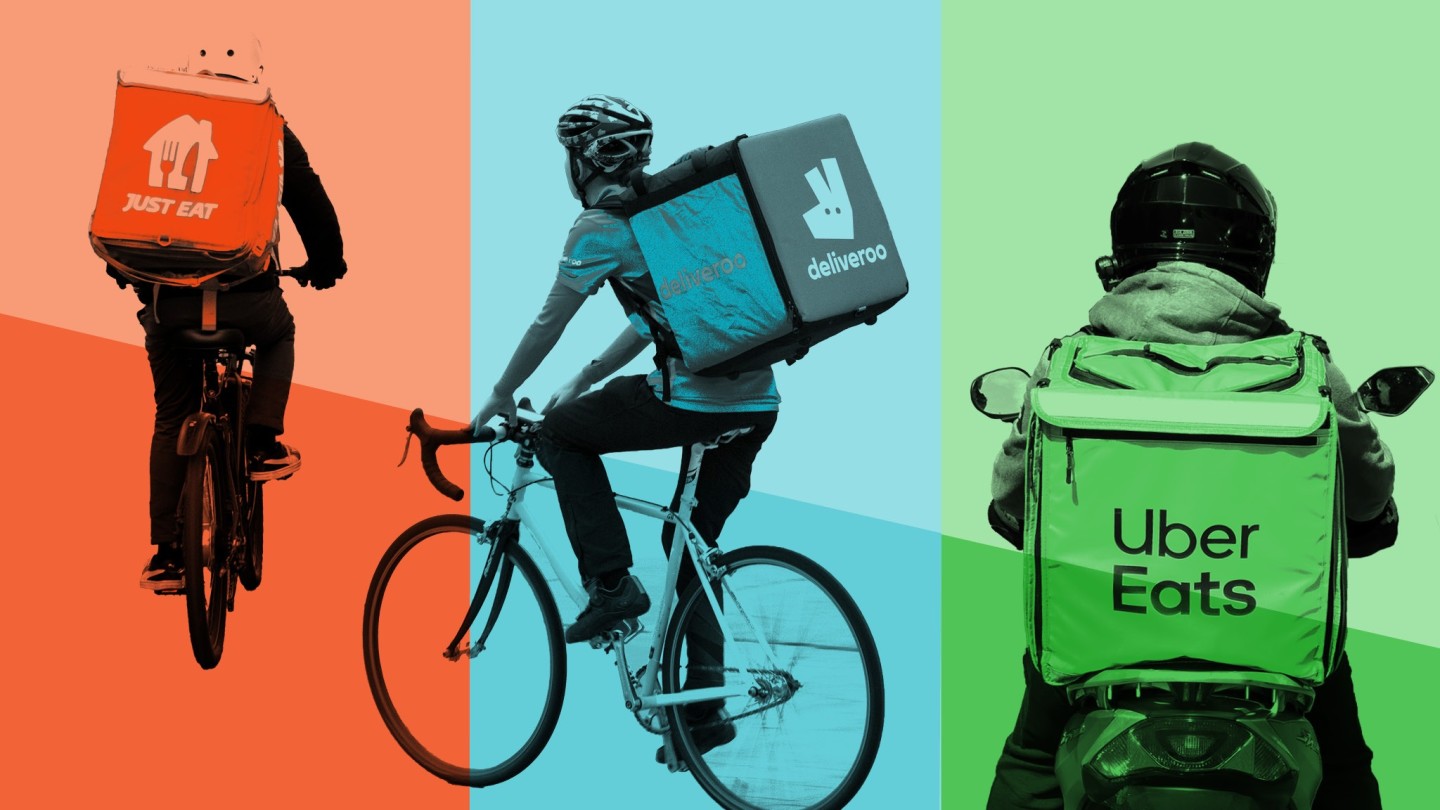
Urban dining has shifted into a new era where speed, simplicity and meaningful choice carry more weight than ever. A brand exploring this shift can show readers how Uber Eats became a central part of city life without demanding attention. Its influence grew through quiet adaptability rather than loud disruption. This article looks at how the platform reshaped everyday routines, supported neighbourhood kitchens and introduced a more intuitive rhythm to modern food culture. The result is a service that fits naturally into the pace of contemporary living and continues to refine the experience of ordering meals in busy urban spaces.
Life in fast paced environments requires solutions that match the rhythm of constant movement. People want meals that arrive without stress, suggestions that make sense for their tastes and a way to order that does not interrupt the flow of their day. Uber Eats evolved to meet these needs by combining simple design, dependable logistics and strong restaurant partnerships. It became a go to companion for city dwellers looking for convenience that feels effortless. This alignment between everyday behaviour and subtle innovation helped the platform grow into a quiet but powerful presence in urban dining.
TLDR
Uber Eats modernised urban dining by offering reliable delivery, intuitive ordering and broad access to local restaurants. It streamlined food discovery, supported neighbourhood kitchens and integrated seamlessly into city life. Its influence comes from prioritising ease and consistency, which helped users build steady routines around the platform.
How Uber Eats Blends Into the Rhythm of Urban Life
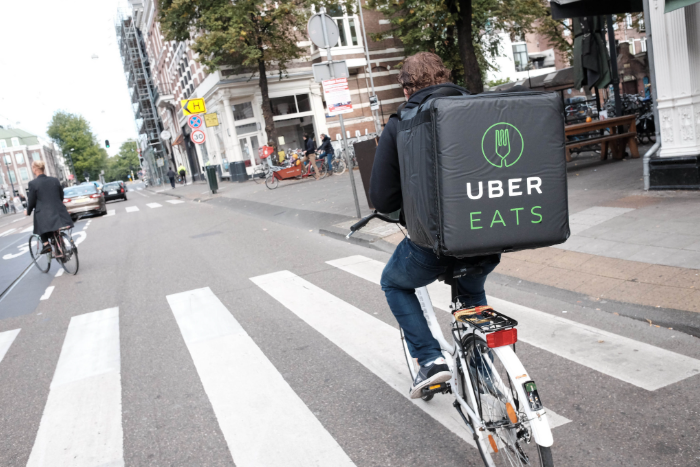
The growth of Uber Eats follows a simple pattern. It observes how people behave in busy environments and adapts without demanding extra attention. Commuters can order on the go. Office workers rely on quick lunches that arrive without hassle. Residents living near busy streets trust the platform to navigate crowded neighbourhoods and deliver meals smoothly. This quiet integration is what makes its impact so strong.
Urban dining often revolves around timing. People have short breaks, shifting schedules and unpredictable evenings. Uber Eats responds with tools that shorten decision time and reduce friction. Suggestions feel relevant, search results appear quickly and tracking makes the wait feel shorter. Its ability to stay out of the way while still improving the experience is a key reason it has redefined convenience in city settings.
The Technology Driving a Seamless Experience
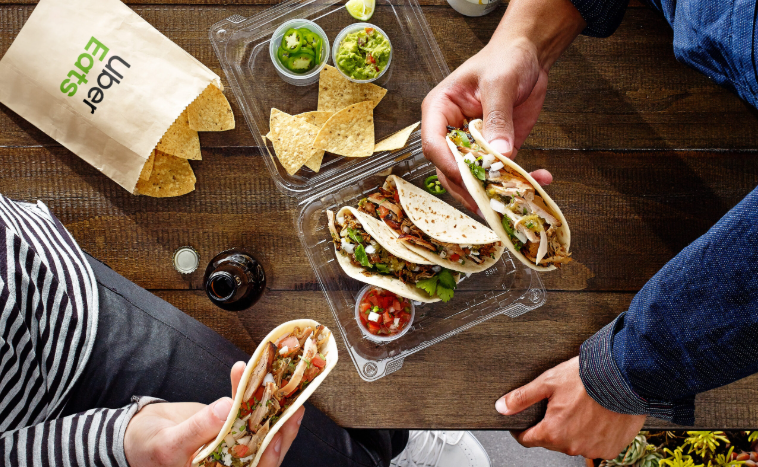
Technology plays an essential role in making Uber Eats feel simple. Order tracking helps users stay informed without refreshing or checking multiple screens. Payment feels swift because unnecessary steps are removed. Recommendations reflect real habits rather than generic categories. These small enhancements create a sense of flow that suits the pace of urban dining.
The platform’s design focuses on clarity. Menus are easy to skim. Navigation requires minimal thinking. The entire system operates in a way that reduces cognitive load. When users feel like they barely need to think about how to place an order, the technology has succeeded. This quiet efficiency becomes a core part of why the platform works so well for people living in cities.
How Restaurant Partnerships Strengthen Local Food Culture

Local restaurants play a major role in shaping the appeal of urban dining. Uber Eats gives these businesses a chance to reach more customers without large marketing budgets. A small kitchen on a side street can appear beside popular names, allowing residents to discover new favourites with ease.
This equal visibility benefits everyone. Restaurants gain new streams of orders. Users get a wider selection of meals. Neighbourhood food culture becomes richer because people are more willing to explore options they might not pass on foot. By supporting both independent spots and established eateries, Uber Eats quietly expands the culinary diversity of a city.
Why At Home Dining Has Become a City Essential
Urban dining is no longer limited to busy restaurants or crowded takeaways. Ordering at home became a preferred option for evenings when people want comfort without losing choice. The rise of flexible working schedules also increased demand for meals that arrive when needed. Uber Eats supported this shift by offering variety and reliability in one place.
People enjoy exploring new meals from their sofas. They appreciate delivery during unpredictable weather. They value the ability to host friends without spending hours preparing food. Each of these moments shows how strongly urban dining has merged with at home convenience. The platform sits at the centre of this trend by making the process easy enough to fit naturally into modern routines.
One Section With Bullet Points
A single section of one sentence bullet points summarises key advantages in a concise and scannable way.
-
It offers quick access to a wide range of local restaurants.
-
It provides reliable delivery suited to busy urban environments.
-
It simplifies ordering with a clean and intuitive interface.
-
It enhances meal discovery through personalised suggestions.
-
It shortens decision time for users with busy schedules.
-
It blends seamlessly into daily habits without adding pressure.
How Smart Design Shapes Loyalty
Good design can transform complex systems into simple experiences. Uber Eats built loyalty by staying focused on clarity. Users can scroll menus without feeling overwhelmed. Search functions surface useful options quickly. Visual cues help people understand timing and delivery status at a glance. This thoughtful structure encourages trust because it removes friction at every step.
Design also influences emotion. When a service behaves predictably and supports the fast pace of urban dining, it forms a subtle connection with users. They return not because they feel obligated to, but because the process feels easier than alternatives. This quiet loyalty strengthens the platform’s role in modern dining culture.
A Platform Whose Influence Continues to Expand
Urban dining will continue to evolve as lifestyles shift, and Uber Eats is positioned to remain a significant part of that evolution. People want services that remove complications from everyday choices. They want meals that arrive reliably and interfaces that do not slow them down. They want discovery without pressure and flexibility that matches their routines.
Uber Eats meets these expectations by refining small details rather than chasing dramatic changes. It shapes how people interact with restaurants, how they choose meals and how they fit dining into busy schedules. Its influence exists in quiet moments when a meal arrives exactly when it is needed.
By merging convenience, access and thoughtful design, Uber Eats redefined what urban dining can look like. It created a new standard where simplicity guides the experience and users feel supported without even noticing the work happening behind the scenes.