

If your car’s air conditioning suddenly starts blowing warm air, the condenser is one of the first parts worth checking. It works quietly under the bonnet, but without it, the AC system cannot cool your cabin at all. Since many drivers only notice it when it fails, choosing a reliable replacement becomes important. Buycarparts offers a wide range of condensers for different car models, and this guide helps you understand what they do, how to spot issues, and how to pick the right one.
What You Should Know at a Glance
-
The condenser cools the refrigerant, which allows your AC to blow cold air.
-
Warm air from the vents and visible leaks are common signs of a faulty condenser.
-
Buycarparts offers many compatible condensers for both older and newer vehicles.
-
Aluminium builds and integrated drier options help improve lifespan and performance.
-
Professional installation is recommended, since the AC system must be depressurised and refilled correctly.
View all condensers on Buycarparts for your specific vehicle model.
What a Condenser Does in Your Car
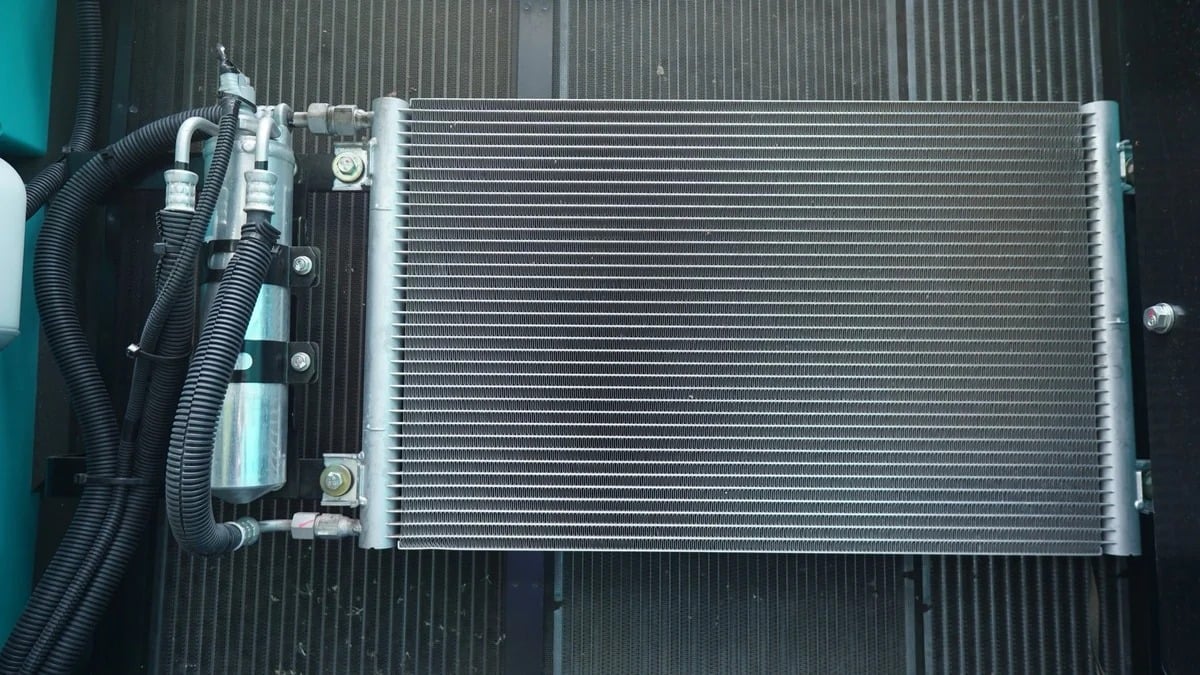 The condenser sits at the front of the vehicle, just behind the grille. Its job is simple. It cools down the hot refrigerant that comes from the AC compressor. Airflow from driving, along with the radiator fan, helps the condenser drop the temperature quickly. When this process works correctly, you get cold air inside the cabin. When it fails, the refrigerant cannot cool, and the AC loses its strength.
Common Signs Your Condenser Needs Replacing
You do not need to be a mechanic to notice trouble. Here are practical signs many drivers see:
-
Your AC blows warm or slightly cool air
-
Visible refrigerant leaks near the front of the engine bay
-
A faint burning smell when the AC is running
-
Strange noises from the AC system
-
Slightly higher engine temperatures due to reduced airflow
If more than one of these appears, the condenser may be the cause.
Why Buycarparts Helps You Choose the Right One
Buycarparts offers condensers for a wide range of vehicle brands like Audi, BMW, Ford, Mercedes, Honda, Toyota, and Volkswagen. You can filter by make, model, and engine size, which helps you avoid ordering the wrong part.
Each product page usually includes:
-
Dimensions and connection details
-
Vehicle compatibility notes
-
Customer reviews
-
Manufacturer details
-
Warranty information
These details make the search easier and more reliable.
Materials and Build Quality
Most condensers on Buycarparts use aluminium because it handles heat well and resists corrosion. Some options come with an integrated drier, which is helpful since many cars require the drier to be changed at the same time to keep moisture out of the AC system.
Installation Considerations
Replacing a condenser involves removing the refrigerant, fitting the new unit, and then refilling the system with the correct refrigerant. Because of this, installation is normally done by a qualified technician.
A mechanic will usually:
-
Remove the remaining refrigerant safely
-
Replace old seals
-
Install the new condenser
-
Refill the AC system
-
Check for leaks
-
Test the cooling performance
A correctly installed condenser should cool quickly and run quietly.
Keeping Your AC in Good Shape
 Regular maintenance helps extend the condenser’s life. Clearing leaves and debris from the grille improves airflow. Running the AC at least once a week keeps the system lubricated. If cooling performance drops, it is wise to check the system before more damage occurs.
A working condenser keeps your AC in top shape, especially during warm weather. If your system loses its cooling strength, browsing the condenser range on Buycarparts is a practical place to start. The detailed filters and product pages make it easier to choose a part that restores comfort to your daily drives.
FAQs
Q1. How do I know which condenser fits my car?
You can enter your car’s make, model, and engine on Buycarparts. The site filters parts that match your vehicle.
Q2. Do all condensers come with a built in drier?
No. Some include one, while others do not. Your vehicle manual or mechanic can confirm what you need.
Q3. Can I replace a condenser at home?
It is not advised. The AC system must be depressurised and refilled with the correct refrigerant, which requires professional tools.
Q4. How long does a condenser normally last?
Many last several years, but lifespan depends on driving conditions, road debris, and general maintenance.
Q5. What happens if I ignore a faulty condenser?
Your AC will stop cooling and the compressor may overheat, leading to more expensive repairs.