
eufy is the smart home line from Anker Innovations, a company best known for consumer electronics like chargers and power banks. Under the eufy name, Anker sells connected devices that focus on practical, everyday needs, especially home security cameras, video doorbells, smart locks, and robot vacuums. In the UK and across Europe, eufy has become a popular alternative to traditional alarm contracts because it delivers strong hardware features without forcing users into recurring subscription fees.
TLDR
-
Anker’s subscription-free smart home brand: eufy focuses on cameras, doorbells, smart locks, and robot vacuums with strong hardware value.
-
Local storage by default: Footage is typically saved to HomeBase or SD cards, so core recording doesn’t require cloud plans.
-
On-device AI alerts: Person, motion, and activity detection run locally on many models, reducing false alarms and keeping data closer to home.
-
Premium camera specs without paywalls: Flagships like eufyCam S3 Pro offer 4K, color night vision, solar charging, and dual-sensor motion detection while keeping smart features free.
-
Easy DIY setup: Designed for renters and homeowners who want flexible, quick installs through a single app.
-
Privacy reputation rebuilding: Past controversies led to stronger encryption, audits, and tighter policies, so users should still configure security settings carefully.
The Product Ecosystem At a Glance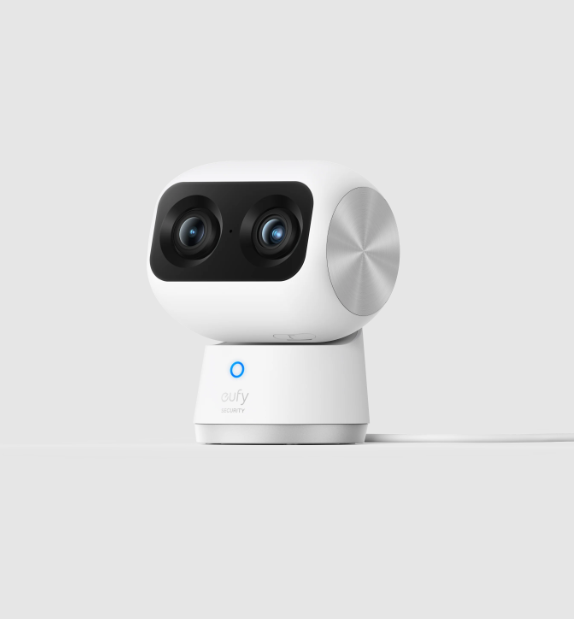
Even though many people search for eufy Security specifically, the brand is broader than cameras.
Home security cameras and kits
These include indoor pan and tilt cams, outdoor battery cameras, solar cams, floodlight cams, and multi camera kits that pair with a HomeBase hub. Most models support local recording either through HomeBase storage or an SD card, and core features work without a paid plan.
Video doorbells and smart entry
eufy doorbells come in wired and battery formats, with person detection, package alerts, and two way audio. In recent releases, eufy has pushed further into smart entry with locks that integrate video and AI.
Robot vacuums and floor care
eufy RoboVac devices are built for hands off cleaning with mapping, obstacle detection in newer models, and pricing that often undercuts premium rivals while keeping the experience simple.
The HomeBase brain
Many eufy systems revolve around HomeBase hubs, which store video, power advanced AI like face recognition, and keep most data inside the home network. Some HomeBase models support large expandable drives, designed for people who want long retention without cloud dependency.
The Core Appeal, No Subscription Pressure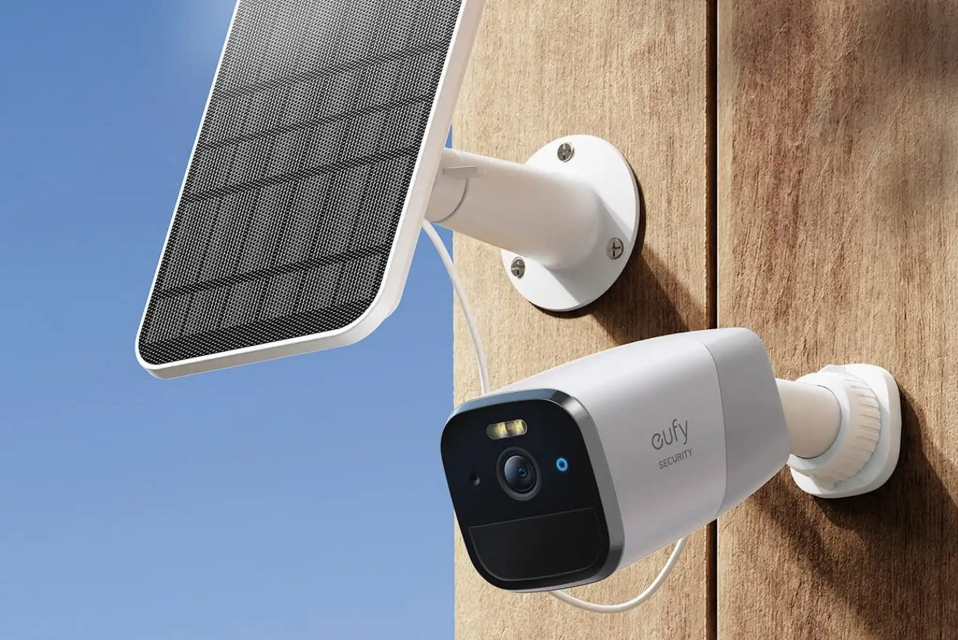
eufy’s strongest differentiator is its approach to storage and features. Many security brands lean on low hardware cost and then charge ongoing fees for recording, smart alerts, or AI tagging. eufy does the opposite. It sells solid hardware up front and keeps core functions free.
Local storage is central to that strategy. On the eufy website, the brand highlights local AI processing and local storage as the default experience, while positioning cloud plans as optional add ons rather than requirements.
For UK buyers who are wary of another monthly bill, this model feels refreshing. It also helps eufy appeal to renters and DIY homeowners who want a camera they can install quickly and move later.
Flagship Tech, What the Latest Cameras Show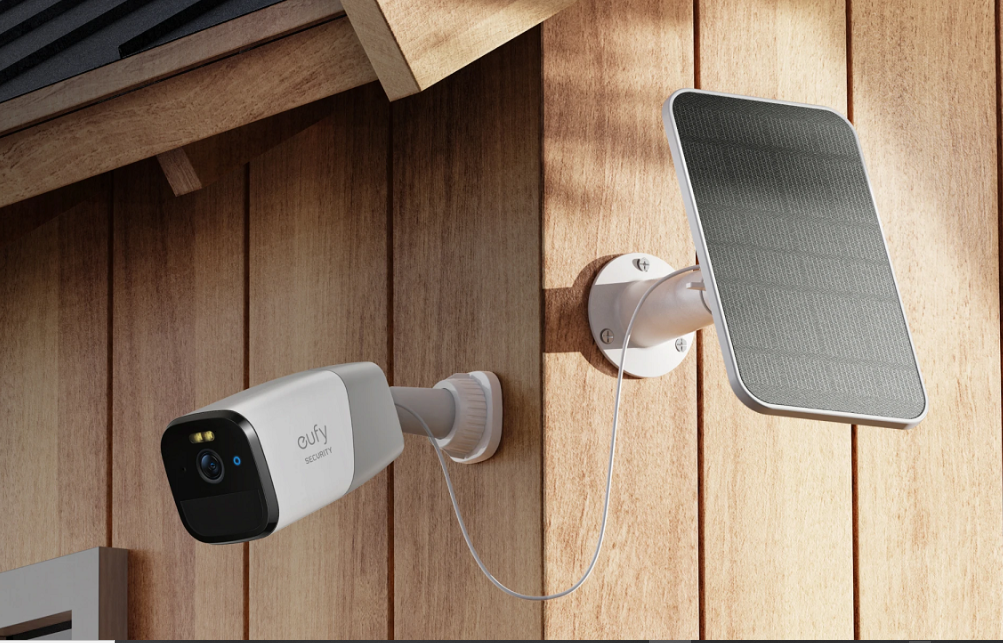
The eufyCam S3 Pro line is a useful example of where the brand is headed. It brings premium specs while staying aligned with local first principles.
Key highlights include
-
4K video quality for sharper detail
-
MaxColor Vision for brighter, true colour night footage
-
SolarPlus 2.0 charging system for year round battery support
-
Dual motion detection using radar plus PIR sensors to reduce false alerts
-
Support for Apple HomeKit Secure Video in compatible setups
-
Expandable local storage via HomeBase, with no mandatory subscription for smart features
Reviews of the kit emphasise the same themes, strong image clarity, long battery life, and the relief of not needing a paid plan to unlock the best functionality.
On the indoor side, eufy has also introduced newer 4K pan and tilt models with on device AI for humans, pets, and audio cues, plus optional local SD recording. These launches show the brand trying to offer high end clarity even in entry price categories.
Smart Entry and Home Control Are Expanding
While cameras remain the anchor, eufy is steadily widening into whole home access and control. Recent products like the FamiLock S3 Max smart lock combine palm vein unlocking with a video doorbell and Matter compatible smart home support. That signals a move toward a unified front door stack where camera, lock, and hub work as a single system.
The brand is also building its own ecosystem layer. The Smart Display E10, launched as a portable security screen, acts as a home command centre for eufy devices, including multi camera viewing and AI based daily summaries. It is designed to plug into eufy’s own network rather than third party systems.
For users already committed to eufy gear, this kind of vertical integration makes daily use smoother. For people who want to mix brands freely, it is worth noting the ecosystem is more closed than some rivals.
The Privacy Story, A Real Issue With a Real Response
Any balanced look at eufy needs to address privacy concerns raised in 2022 and 2023. Investigations found gaps between some marketing claims and technical reality. In certain cases, researchers reported that camera streams were not end to end encrypted as advertised, and feeds could be accessed without proper authentication if someone had the right link.
These findings led to public backlash and, later, regulatory action. In 2024, the New York Attorney General secured a settlement against companies behind eufy cameras, requiring security improvements and paying a penalty tied to earlier privacy weaknesses.
eufy’s response involved redesigning parts of its streaming system, shifting toward stronger encryption defaults, and commissioning an independent privacy audit. The company states that it met the audit’s security benchmarks, aiming to rebuild trust.
For consumers today, the takeaway is practical. eufy can still be a strong choice, but buyers should treat setup seriously. Use strong passwords, enable two factor authentication, and understand which features use cloud relays versus fully local pathways.
Who eufy Fits Best
eufy tends to make the most sense for
-
households wanting DIY security without contracts
-
renters who need flexible install and easy relocation
-
families looking for indoor cameras and doorbells in one app
-
users prioritising local storage and fewer cloud touchpoints
-
value driven shoppers who still want premium specs
It may be less ideal for people who want full professional monitoring baked in by default, or who prefer open ecosystems that integrate widely across third party devices.
Final Take
eufy has carved out a clear lane in smart home tech. It offers high capability security and cleaning devices built around a buy once model, and it backs that with strong local storage options and improving on device AI. The brand’s camera hardware, especially its latest 4K solar and indoor lines, competes comfortably with bigger names, while its robot vacuums keep home automation accessible for everyday budgets.
At the same time, eufy carries a privacy history that is impossible to ignore. Regulatory action and past flaws mean trust needs to be earned through continued transparency and good user habits. eufy appears to understand that, and has taken meaningful steps to tighten security.