
Diesel is a fashion brand that has always preferred attitude over politeness. Born in Italy in 1978, it rose to global fame by turning denim into a statement—distressed, provocative, and proudly “alternative.” After a quieter stretch in the late 2010s, Diesel has staged one of the strongest comebacks in modern fashion, driven by a creative reset under Glenn Martens and a renewed obsession with youth culture, spectacle, and experimental jeanswear.
TL;DR:
Diesel is an Italian fashion brand founded by Renzo Rosso in 1978, built on rebellious, premium denim and bold, often provocative youth-culture marketing. After losing momentum in the late 2010s, Diesel surged back under creative director Glenn Martens (since 2020), who revived it with Y2K/club energy, ultra-low-rise silhouettes, experimental denim, viral accessories (like the 1DR bag), and headline-making runway shows. The comeback is real commercially and culturally: Diesel sales rebounded strongly and Gen Z now drives roughly a third of its business, making it one of fashion’s standout youth-led revivals. Diesel sits inside Rosso’s OTB Group alongside brands like Maison Margiela and Marni, and remains defined by one core idea: denim as a loud, alternative lifestyle statement.
Origins: “Alternative Fuel” in Denim Form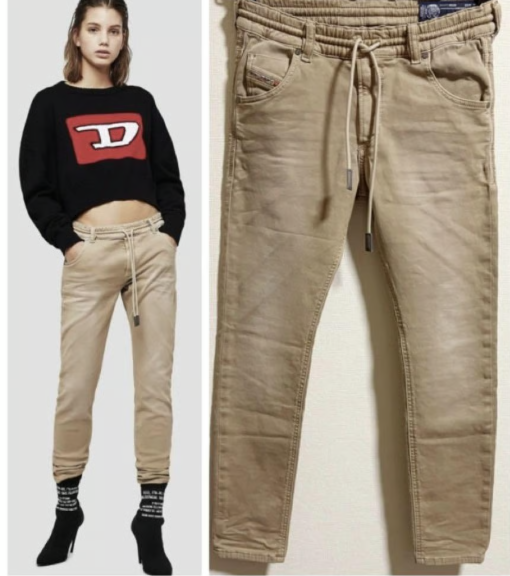
Diesel was founded in 1978 by Renzo Rosso, who wanted a brand that felt like a new energy source in fashion. The name Diesel came from the oil-crisis era, when diesel fuel symbolized a bold alternative—easy to pronounce worldwide and loaded with rebellious meaning.
From day one, Diesel’s mission was clear:
-
disrupt traditional denim
-
treat jeans like high-design product
-
speak directly to youth, not fashion gatekeepers
The Diesel DNA: Denim Mastery + Cultural Mischief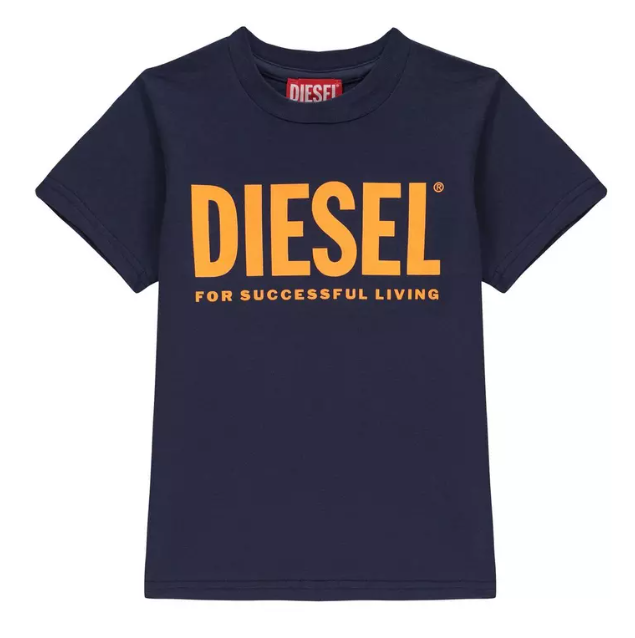
Diesel built its empire on premium denim innovations—aggressive washes, heavy fading, whiskering, tearing, coating, and experimental finishes. In the 1990s and 2000s, Diesel jeans became a global status item, especially for people who wanted something edgier than classic designer denim.
Just as important as product was communication. Diesel ads were famous for satire and provocation, often poking fun at politics, beauty standards, and consumer culture. That cheeky, slightly chaotic worldview became part of the brand’s signature.
In short: Diesel sells denim with a personality.
From Jeans to Lifestyle Brand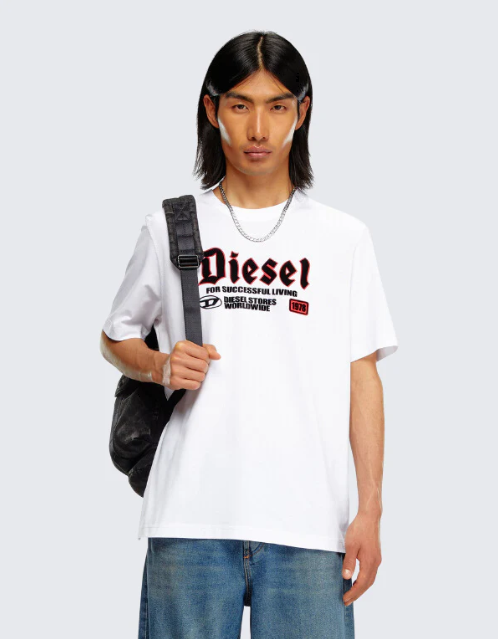
Over time, Diesel expanded into what OTB calls an “international lifestyle company.”
Today its universe includes:
-
men’s and women’s ready-to-wear
-
footwear and bags (notably the viral 1DR bag)
-
small leather goods and accessories
-
fragrances, watches, jewelry
-
“Diesel Living” collaborations in interiors and design
Even with all that expansion, denim remains the brand’s heartbeat.
The Slump Years: When Diesel Lost Its Edge
Like many heritage “cool” brands, Diesel hit turbulence in the late 2010s:
-
fast fashion copied distressed denim cheaply
-
luxury streetwear grabbed the cultural mic
-
Diesel’s identity blurred as trends shifted
The brand was still big, but less urgent. The result: Diesel needed a clear re-definition for a new generation.
The Glenn Martens Era: Diesel’s Gen-Z Revival
Diesel’s modern renaissance began when Belgian designer Glenn Martens became creative director in 2020.
Martens didn’t soften Diesel—he amplified it:
-
ultra-low-rise and exaggerated silhouettes
-
Y2K and club-culture energy
-
playful sexuality and irony
-
heavy denim experimentation (frayed, devoré, laser-treated, reconstructed)
-
runway shows that feel like youth-culture events
The comeback in numbers
OTB reported Diesel sales up ~13% in 2023, driven by women’s collections and accessories like the 1DR bag.
By 2025, Gen Z accounts for about 35–36% of Diesel’s sales, making youth the engine of its business again.
Runway as cultural proof
Diesel’s Milan shows became headline moments. Spring/Summer 2025 featured a runway literally built from shredded denim waste, underlining both spectacle and circularity themes.
The Guardian described Diesel’s revival as one of fashion’s most visible Gen-Z alignments, fueled by radical low-rise denim, immersive shows, and punchy collaborations.
Diesel Inside OTB: The “Alternative Luxury” Slot
Diesel is owned by OTB Group (Only The Brave), Renzo Rosso’s fashion holding company that also includes Maison Margiela, Marni, and Jil Sander.
Inside OTB, Diesel plays a distinct role:
-
premium denim + street-luxury energy
-
high cultural volume
-
price point below old-guard luxury, but above mass market
That “alternative luxury” positioning is exactly what the name promised from the start.
Sustainability: Denim’s Hard Problem, Diesel’s Experiments
Denim is resource-heavy (water, chemicals, energy), so Diesel has pushed visible sustainability initiatives to reduce impact. Key programs include:
-
Diesel Rehab Denim, using recycled cotton and lower-impact dyeing such as Dry Indigo technology to cut water/chemical use
-
circularity partnerships aiming to reuse cutting waste and expand recycled fiber use across large runs of jeans
In practice, Diesel is treating sustainability as another area for denim innovation—still imperfect (as the whole category is), but increasingly central to its brand story.
Diesel in 2025: Loud Again, Relevant Again
By late 2025, Diesel is in one of its strongest positions in years:
-
culturally hot on runway and social
-
commercially healthier after restructuring
-
deeply connected to younger consumers
-
still anchored in denim but growing via accessories and women’s wear
Martens’ success at Diesel has also elevated his industry standing—he now leads Maison Margiela too, showing how Diesel has become a creative engine within OTB.
Final Take
Diesel’s story is a fashion loop done right:
rebellion → icon status → cultural fade → revival through sharper rebellion.
It’s still the brand that treats jeans like art, nightlife like inspiration, and youth culture like a compass. In an era where many heritage labels chase timelessness, Diesel proves there’s enduring power in being sexy, messy, ironic, and fearless—as long as the denim delivers.